
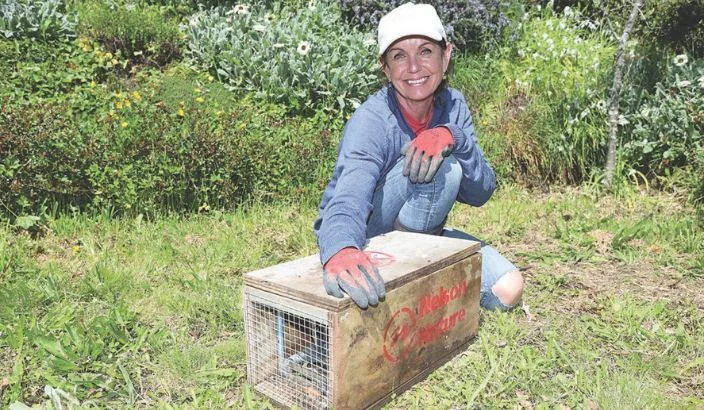
A startup trapping group eager to make it tough to survive as a pest in central Nelson has snared $5000 from the Predator Free NZ Trust.
Using letterbox flyers and a WhatsApp street group, Rat-to-Tūi - Mount Street Trappers has lured in 25 household participants including six committee members from the Nelson South street to set traps in their backyards, and its ultimate target is to include up to 400 households covering some 42.5 hectares.
Located between Toi Toi Trappers and Birdlife on Grampians, it’s well-positioned to form a biodiversity corridor, reducing pest numbers, supporting the Brook Waimārama Sanctuary Halo and ultimately enhancing native bird populations and other native species in the city.
The group is also monitoring predator data with tracking tunnels, chew cards and bird count stations at each household to determine target pest species, the most critical areas for their trapping efforts and progress, with data being collated and shared on TrapNZ.
Founder Emma Marshall says the funding was “absolutely crucial” to fund rat traps and toolkits for each household (although Pic’s Peanut Butter has generously donated seconds as bait for free).
These will be distributed to sign-ups and new attendees at the engagement day at 12 Mount St on 19 October from 10am to 2pm.
“We completed the initial bird count and predator monitoring with tracking tunnels and chew cards with little cost, with a few donations and great support from Nelson City Council,” she says.
“This next part, supplying the traps and other equipment, we simply couldn’t have done it without the Predator Free NZ Trust funding, it’s totally awesome.”
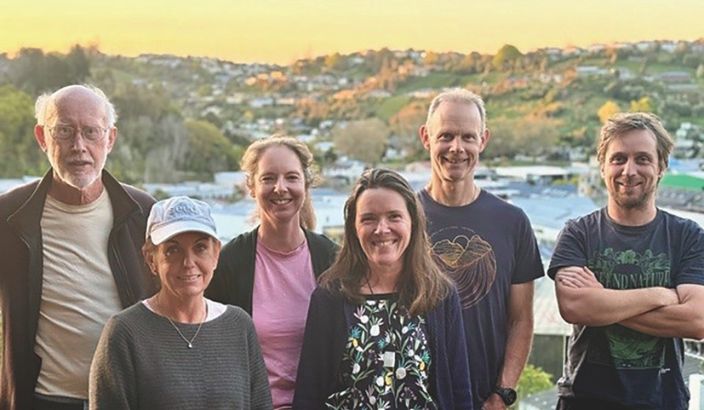
Emma encourages attendees on their engagement day to make a koha (donation).
“Evidence shows that if people actually pay something towards the traps, no matter how small, they’re more likely to care about it and keep using it,” she says.
“We’ve got amazing funding from the Predator Free NZ Trust and great support from Nelson City Council - but if we want to keep getting traps out there, costs will be ongoing.
“We’ll continue to look for funding because we want this to be a long-term project. Let’s hope we can triple the number of traps in our backyards in the first year.”
