
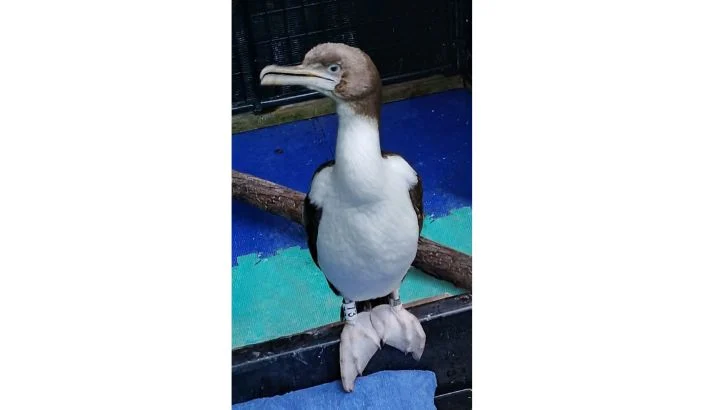
A young, endangered king shag, found exhausted and underweight beside a state highway in Nelson, has been rehabilitated and released back into the wild – a first for the species.
Department of Conservation senior marine science advisor, Dr Karen Middlemiss, says only 600 to 800 of the cormorant species exist and all nest in colonies in the Marlborough Sounds.
Finding the shy bird in Nelson is unusual, and to the best of her knowledge it is the first time one has been rehabilitated and released.
“Because there are so few of them, every one of them counts,” she says.
“It was quite cool when we released him as there were other shags flying overhead and he was looking up and recognising some of his own. Hopefully he’s managed to learn a few tricks to catch food by himself.”
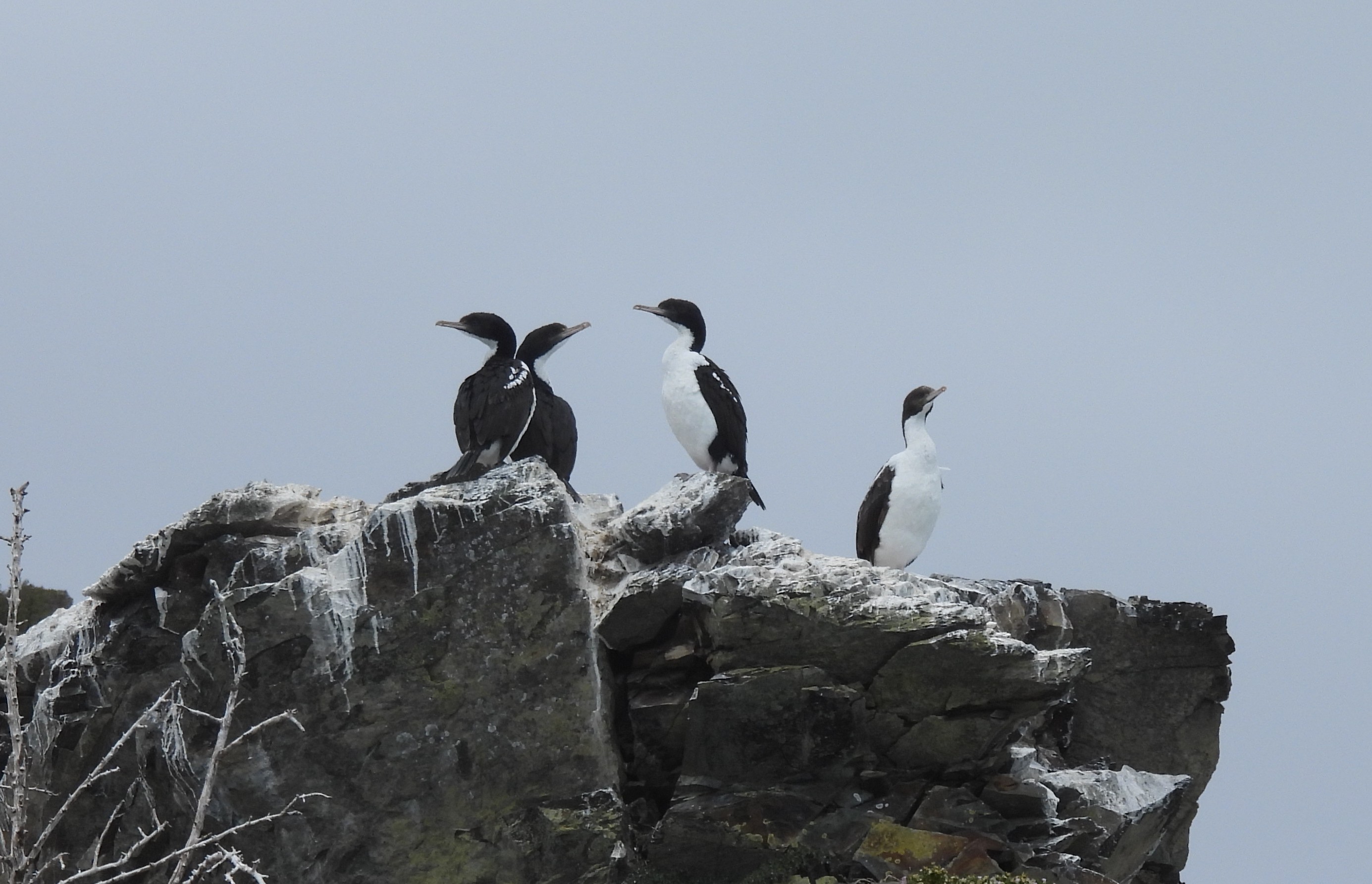
The pink-footed shag, thought to be about six months old from the winter nesting period, was cared for by New Zealand Wildlife Rehabilitation’s volunteer Mel Willmott for two weeks. It was then released before becoming dependent on humans for food.
“The great thing is, it didn’t like me, and as it got better it got more snappy!” Mel says.
“That is always good because you don’t want them to be imprinted. ‘I’m still thinking, wow! It was such a privilege.”
Karen says the king shag colonies nest in winter on rocky outcrops facing strong southerlies, and big storms can wipe out all nests in a colony.
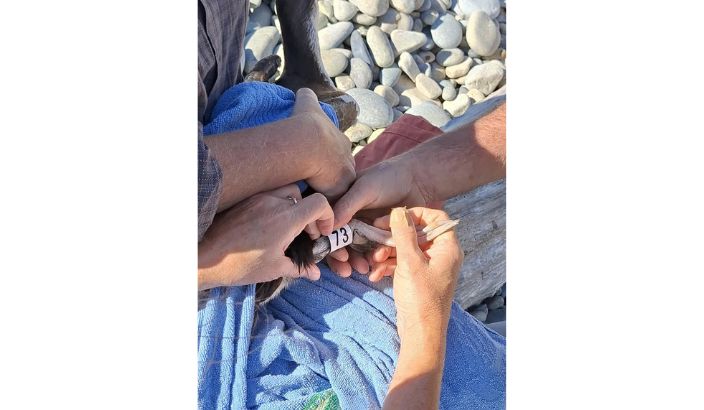
The rescued juvenile was banded before release and may be identified in the future. The department works with Toroa Consulting, to monitor and track the colonies in the Sounds. Karen says the king shag is an amazing species that will dive up to 50m to find food.
New Zealand Wildlife Rehabilitation is a charitable trust that relies on donations and is one of three wildlife rehabilitation groups in Nelson-Tasman. It details its work at www.wildlife-rehab.co.nz
