
Meth harm reduction is the focus of a new programme launching in Motueka this month.
Motueka has been chosen as the pilot location for the Ministry of Social Development-funded initiative, though the town was not selected because of high methamphetamine use.
MSD regional public service commissioner for Marlborough, Nelson–Tasman and West Coast, Craig Churchill, says the decision was based on Motueka’s size and location.
“It was important to choose a location that would get the most impact from the funding,” Craig says. “Motueka is small enough that the funds could make a material difference, while being big enough to demonstrate the difference that can be made.”
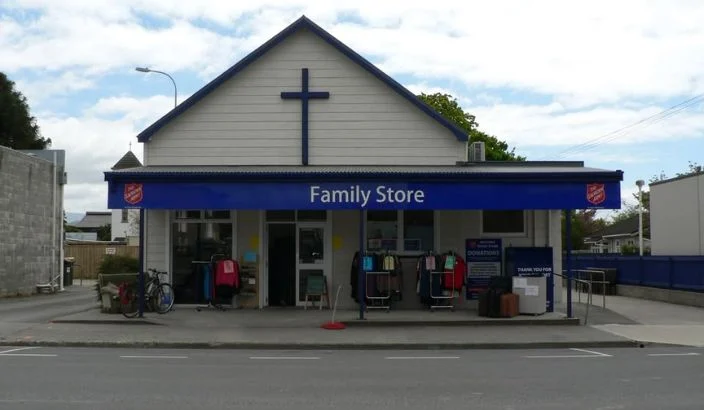
The Salvation Army will deliver the $1.503m, three-year initiative, which aims to reduce methamphetamine harm through a mix of clinical services, education and tailored whānau support.
Craig says all services will be delivered in Motueka, removing the need to travel to larger centres. The Salvation Army will begin with up to 40 caseloads as the programme becomes established. Referrals will initially come through agencies already working with affected people, and the programme will engage with both drug users and their wider families, who will be offered individualised help.
Trained peer workers with lived experience of addiction and recovery will support both individuals and groups.
“This programme brings together clinical expertise, support, and community partnership,” says Emma Hunter, The Salvation Army’s service development lead. “That mix is what truly helps people break free from methamphetamine harm and rebuild strong, connected lives.”
An education campaign will also run in Motueka and neighbouring areas to raise awareness about methamphetamine, its impacts and where to seek help. Clinical addiction programmes will be offered to help people get free, and stay free, of methamphetamine.
“People deserve support that fits their real lives,” Emma says. “We offer a harm reduction approach to suit each individual or whānau, and we work closely with local services, iwi and the community so the help people receive is connected and effective.”
MSD has secured the $1.503m from Proceeds of Crime funding for the programme.
Craig says the Tasman region is on the lower end of meth use per capita compared with other regions. Police regularly publish druguse data through wastewater testing, and statistics for year ending September 2025 show that Tasman’s results are about a third lower than the national average.
Addiction support in this area was previously provided by Health New Zealand, which continues to sit on the interagency steering group guiding the pilot.
Craig says the initiative has the backing of local iwi, government agencies, local government and non-government organisations. He also acknowledges the partnership with police and Superintendent Tracey Thompson in getting the programme underway.
“Ultimately, we hope to see a reduction in methamphetamine use and related harm in Motueka, a safer community, increased access to support services, greater awareness and prevention, and improved inter-agency co-ordination in the town.”
