
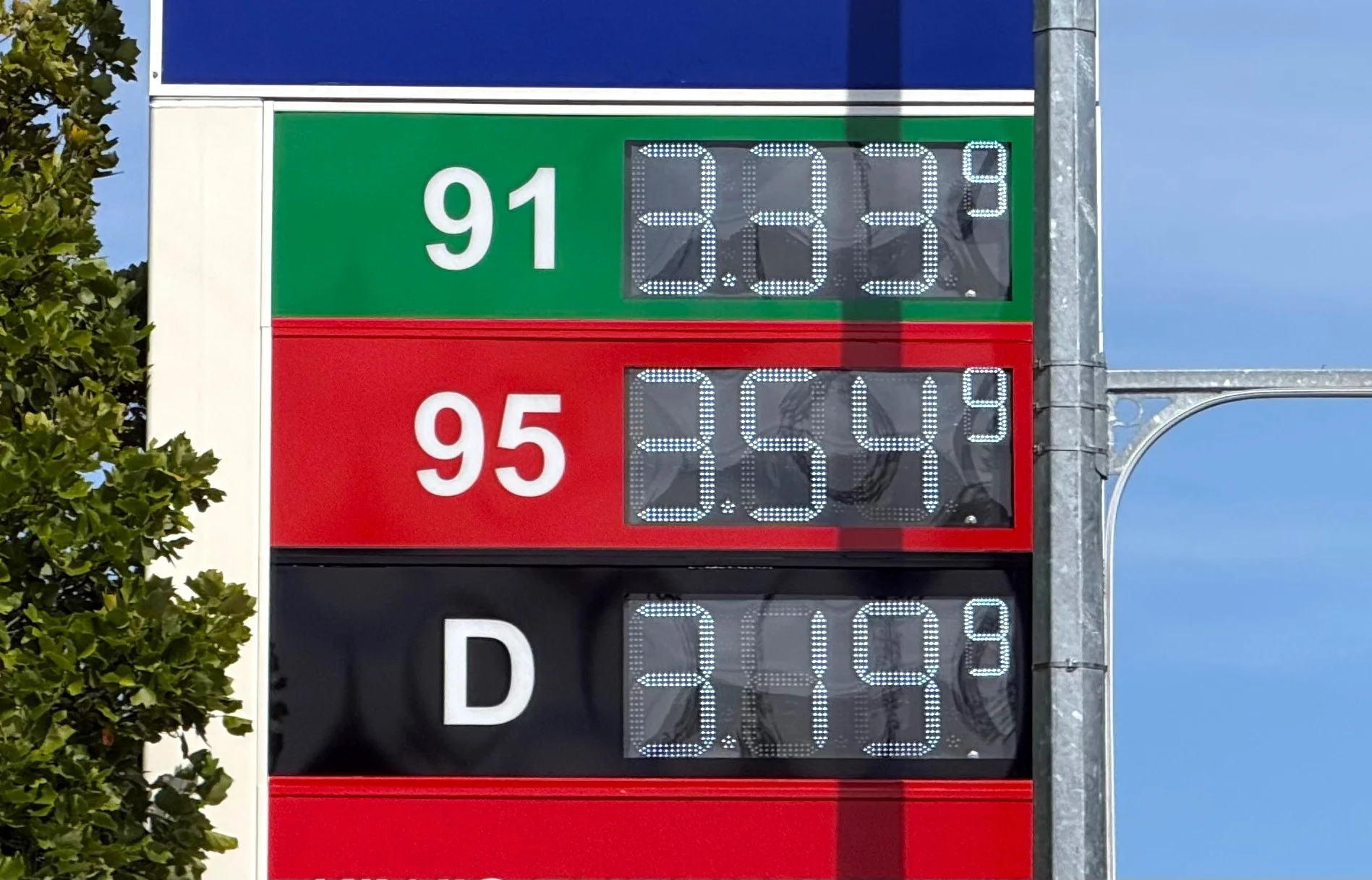
Constraints within the fuel supply chain left some local forestry contractors scrambling to keep harvesting crews running last week.
Bryant Logging owner Nigel Bryant says NPD usually supplies bulk fuel to their harvesting sites, but that was paused for some contractors, forcing frantic trips to fill mini tankers.
“We’ve been running out all the time and spending days and nights getting tanks,” he says.
His company uses about 80,000 litres of diesel a week to keep several crews operating.
With smaller tankers only holding 1,300 litres, they were on the road day and night to keep machines going.
“We’ve got to run these little tankers down to the truck stops and it’s a very time-consuming thing. At the truck stops you have four to five other tankers filling up.”
NPD chief executive Barry Sheridan says the disruption was prompted by newly-enforced constraints from the company’s fuel supplier at the Nelson terminal.
“This prevented us from being able to access fuel as we normally would on the days it was needed to meet operational demands,” he says.
The disruption coincided with unusually high demand across the NPD network during peak harvest season across the primary sector.
Barry says, the company made temporary adjustments to manage deliveries and a number of forestry customers were asked to refuel their own mini-tankers.
He says, the disruption was not due to any fuel shortage and availability has remained stable.
“We continue to closely monitor daily logistical challenges and resources as they continue to develop around us.”
Fuel has been a source of uncertainty across the rural sector since the Iran-United States conflict began, adding costs and hassle for pipfruit growers in the middle of harvest.
Industry spokesperson for the region, Olly Rowling, says diesel prices have roughly doubled since the conflict began, while shipping companies have introduced emergency surcharges on containers, depending on their destination.
Supply chains are fickle, he says, and the uncertainty is “more stressful hassle”. Growers are also worried about what happens if the situation drags on and he hopes food producers will be prioritised if fuel restrictions are introduced.
“We’re a food producer, so we’ll be well down the list before they cut our fuel supply. I think it will just be intermittent delays. You might not get it one day and it might be small disruptions as you go through the season - rather than no fuel.
“It’s so far out of our control – just another thing hanging over us. We haven’t had restrictions on diesel yet, so fingers crossed.”
Federated Farmers Nelson president Kerry Irvine says farmers are also watching the situation with concern as they head into fertiliser application and autumn planting.
Most farmers will continue to spread fertiliser, he says, as it is short-term pain for long-term gain. However, a prolonged fuel crisis could see farmers defer some jobs on the farm.
“It’s potentially the contractors that may be affected here. Do I need to clear that track, or put it off for a year?”
If high fuel prices persist, the pain will be felt far wider, he says.
“If fuel price stays as high as it is, it’s going to be a whole new cost of living crisis.”
