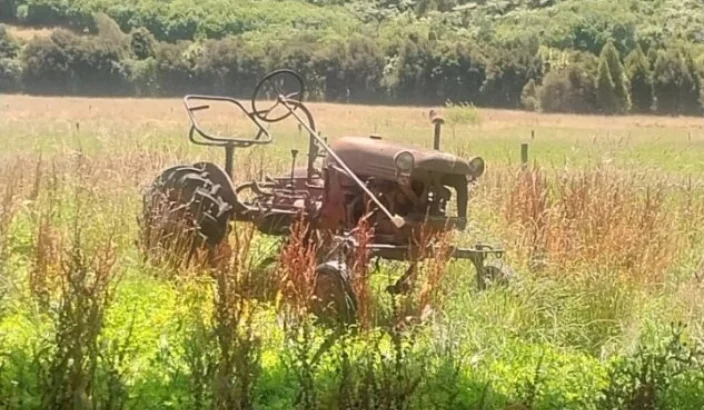
Across rural NZ, old tractors sit quietly at the edges of paddocks, rust softening their once bright paint and grass growing up around their tyres. Some perch beside farm gates like sentinels of another era.
Others find a second life in school playgrounds or community spaces, where children clamber over their metal frames, hands wrapped around steering wheels that once helped produce food.
In towns across the Top of the South these retired machines have become part of the landscape. They are not hidden away in sheds or scrapped for parts. Instead, they are left as a nod to the families and industries that built rural communities from the soil up.
It is hard to imagine this happening in any other sector. You do not see retired office photocopiers mounted at business park entrances. Decommissioned forklifts do not decorate supermarket carparks. Old fishing trawlers rarely sit in suburban playgrounds for children to scramble over. But tractors, the workhorses of farming, are different.
Agriculture and horticulture hold a unique place in New Zealand’s identity. From sheep and beef farms to orchards heavy with apples and kiwifruit, the land is not just an economic driver. It is a cultural anchor.
Machinery becomes part of family history. A tractor may have been driven by three generations, from grandfather to father to daughter, before finally retiring carrying stories of droughts survived, bumper seasons celebrated and early mornings that began before the sun rose over the rows, as well as the rapid changes in machinery and technology.
Ask most farmers how the old tractor or implement ended up by the gate, and they will tell you they kept it, thinking they would use it for parts. Now, children enjoy clambering up these old machines and cultivating their imagination. It connects young people, even those not raised on farms, to rural life.
An old tractor in a paddock is not just scrap metal. It is a monument, not grand or polished, but honest. A reminder that in New Zealand, the story of the land and the story of its people remain closely entwined.
