
What kind of life do you want to be living?
It is a simple question, but one that sits at the heart of an often-overlooked health service available to Motueka residents.
Health coaches work alongside doctors at every general practice in the country, supporting people to make realistic changes that improve their well-being. The service is available to people aged 18 and older and is completely free.
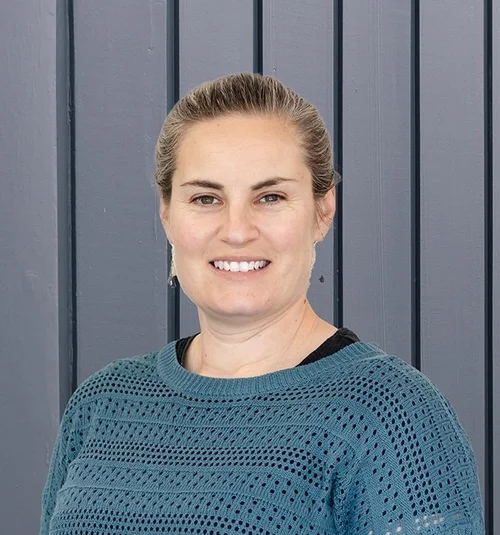
In Motueka, that work is led by Kim Selby, who splits her time between the town’s two general practitioner (GP) services.
Kim says many people are unaware the service exists, despite it being completely free and open to self-referral.
The value of the role, she explains, is the ability to work alongside other health professionals and pick up where a GP appointment leaves off.
“Health coaching is designed to support people to make meaningful, realistic changes that improve well-being,” explains Kim, a former registered nurse. “It is not counselling, not medical treatment, and not a lecture about what you’re doing wrong. Instead, it is a practical, supportive conversation focused on what matters most to you.”
She says, most people already know the basics of healthy living, such as moving more, eating well, sleeping properly and reducing stress. The challenge is turning that knowledge into everyday habits.
“Life is busy, motivation comes and goes, and health advice can sometimes feel like pressure rather than help.”
It needs to be about building skills rather than relying on willpower, Kim says. Each client’s goals are based around their values and might include conversations around forming habits, handling setbacks, making small but sustainable changes, and reducing self-criticism.
Support can look different for everyone. Some people need just one conversation to get back on track, while others benefit from regular appointments. Kim may also send resources or keep in touch by text or email, creating an ongoing relationship that GPs often do not have the capacity to provide.
Alongside health coaches, general practices also have health improvement practitioners. These roles also offer free support for children and teenagers, providing early help for emotional and physical well-being.
While she praises the skill of local doctors, Kim says the reality is that 15-minute appointments are often not long enough to fully explore complex issues, and cost can be a barrier for some patients.
“People often discover they don’t lack motivation,” Kim says. “They lacked support that matched real life.”
She sees her role as a privilege, walking alongside people as they navigate their health journeys.
“Sometimes we just carry our problems around, and they are such a burden.”
