
For the second time, rigorous debate was sparked at Tasman District Council while it discussed appointing unelected members to sit at its meetings.
On Thursday, the council approved a new policy to guide the appointment of independent members and iwi representatives to the council and its committees.
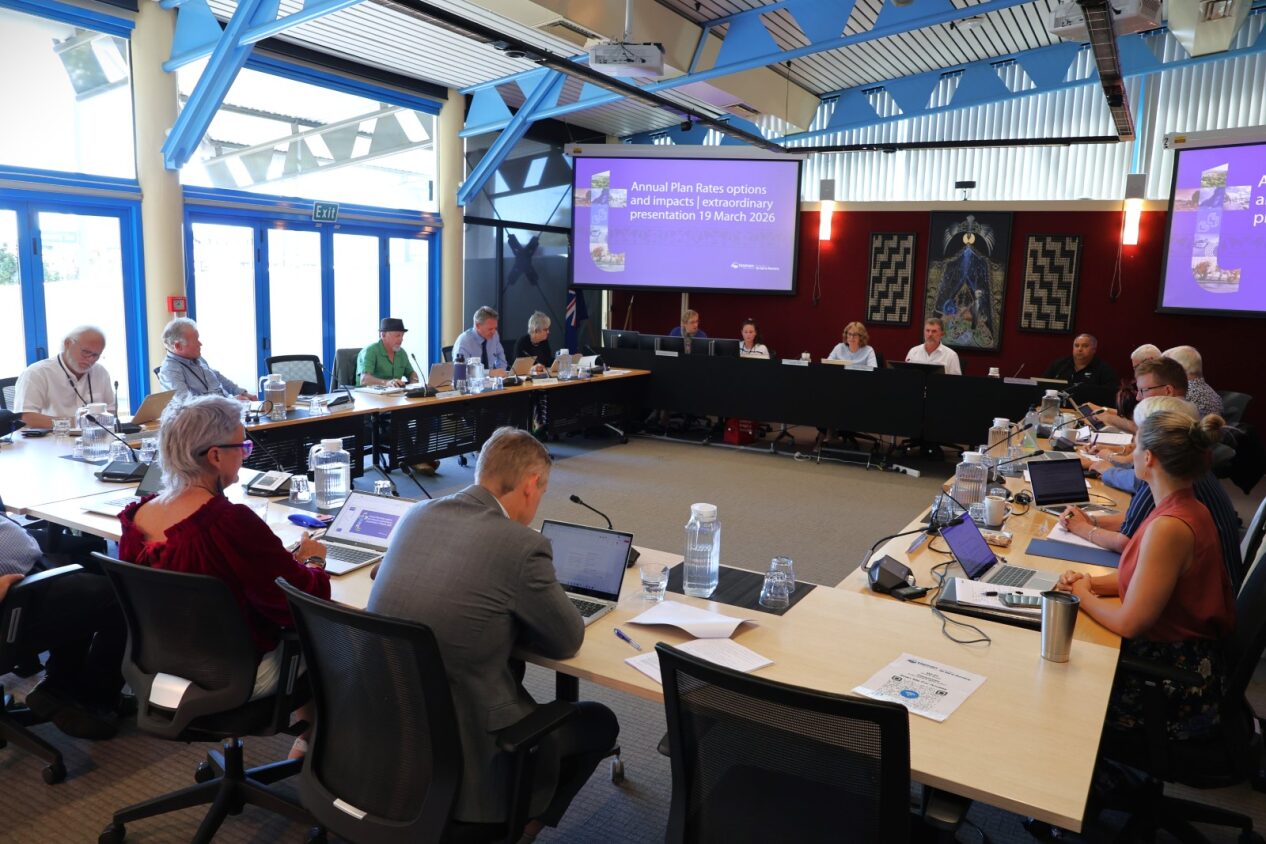
Independent members are sought to provide specialised advice, such as the governance and risk experts on the Audit and Risk Committee, while iwi representatives can represent regional iwi views while bringing te ao Māori perspectives.
However, much like the council's February decision to appoint iwi representatives in the first place, the resolutions were not passed without lengthy discussion.
Elected members' oversight of the appointment process and appointees’ pay rates were key concerns for some sitting around the council chamber.
The new policy sees appointment panels comprising three or four elected members undertake recruitment and job-sizing for candidates before recommending specific appointees and their remuneration rates to the full council for discussion and approval.
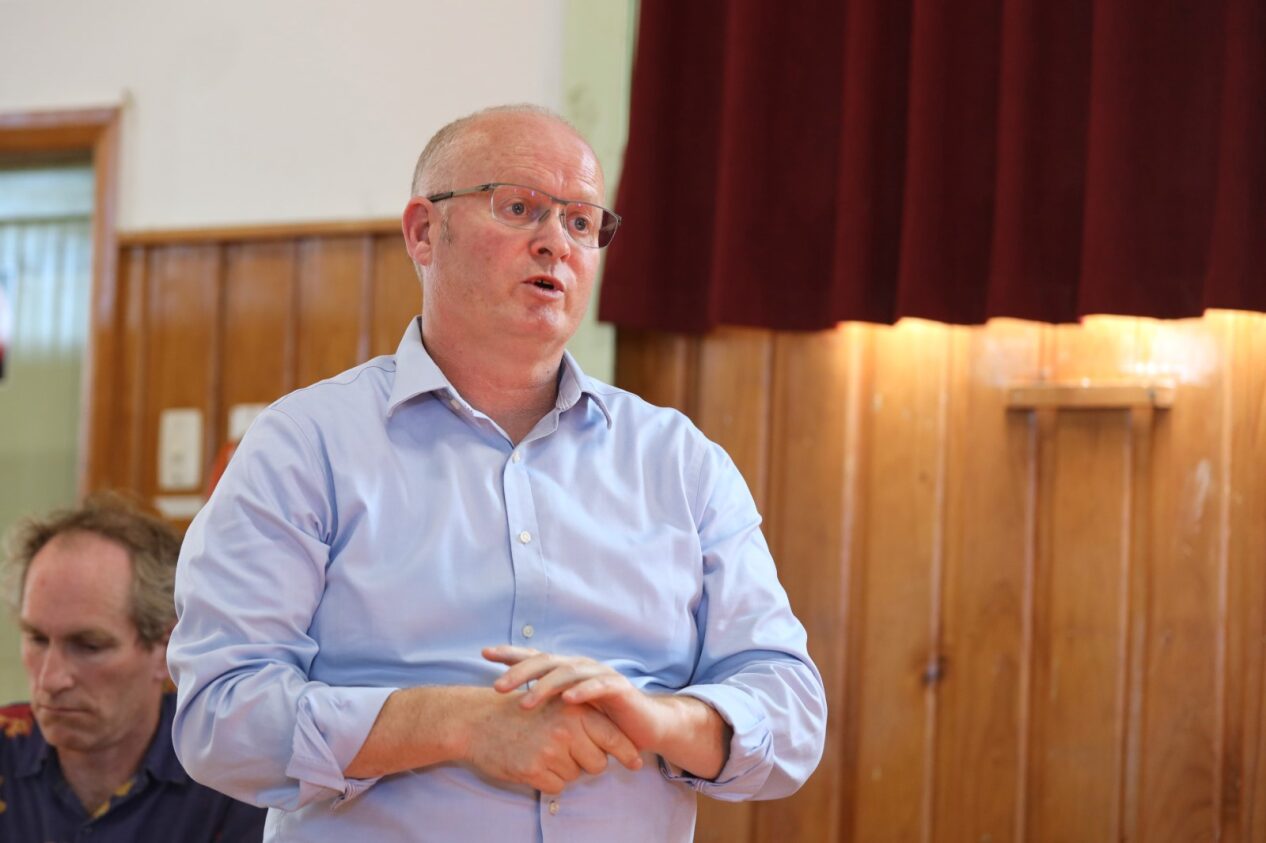
The procedure for iwi representatives differs from that of independent members, as it is the region’s iwi chairs who undertake recruitment before making nominations to the council.
Currently, there is a vacancy on the full council for an iwi representative with non-voting rights, and one vacancy in each of the council’s two standing committees with voting rights.
All three positions have had a person nominated by the iwi chairs who has not yet been appointed.
The appointment panels attracted criticism from councillors Mark Greening and Timo Neubauer.
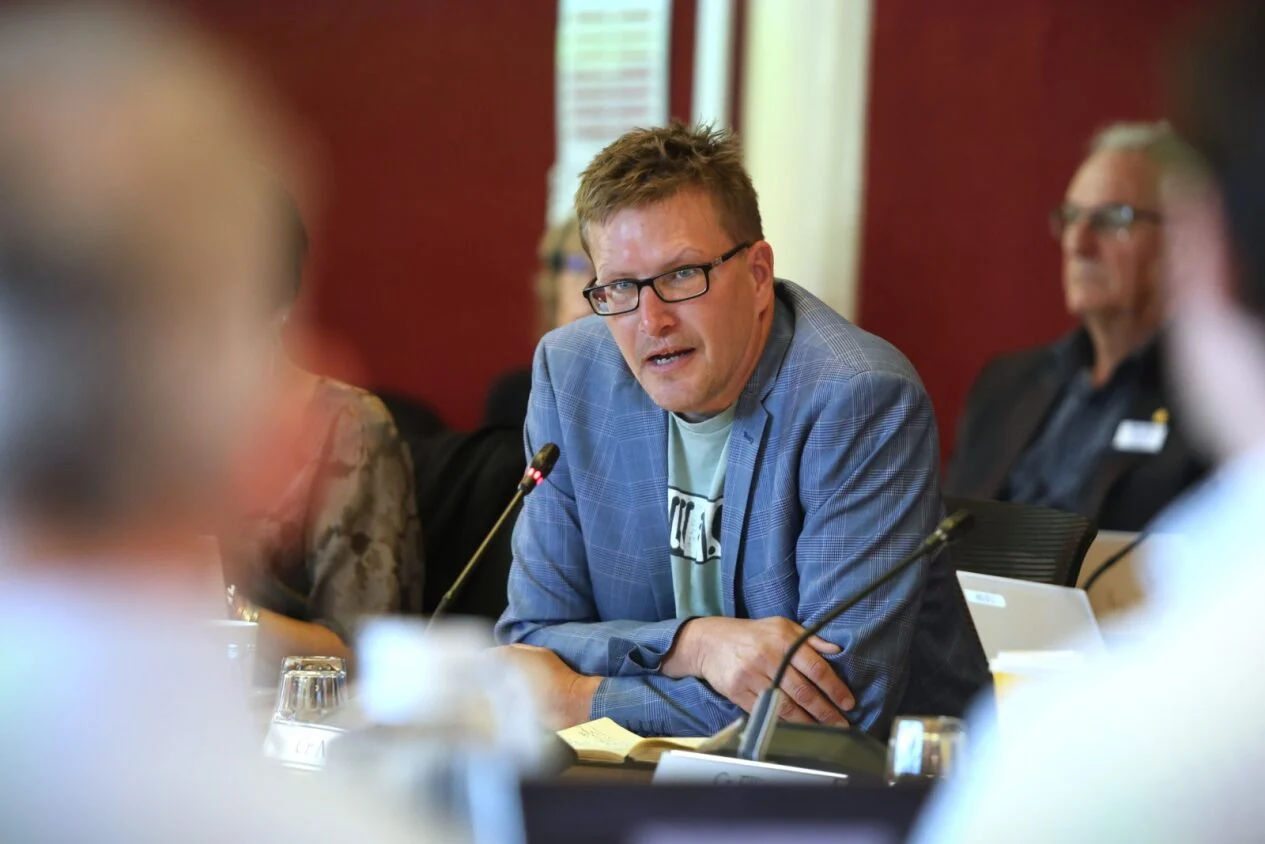
Greening said that having the panel make recommendations to the full council, without providing additional details of those who “didn’t make the cut”, resulted in a “rubber-stamping” process.
“Because that informs whether [elected members] want to support the recommendation or actually challenge it.”
He failed to gain support for an amendment that required the listing of alternative candidates in the panels’ recommendations.
Mayor Tim King said Greening’s suggestion would open the door for the council to “relitigate” the entire process undertaken by the panel.
Governance advisor Robin Byrne added that there would be no list of alternative appointees for the iwi representatives, as the iwi chairs had nominated only a single person for each role.
Neubauer said only having some elected members on the panels “flies in the face of democratic principles”.
“We’re trying to set up a small group of elected members who then appoint… which, to me, means the independent appointed member isn’t so independent anymore.”
Chief operating officer Steve Manners reiterated that the full council still gets the final say.
Neubauer suggested not establishing the appointment panel to assess the three iwi-nominated candidates as staff had proposed.
However, King shot down the idea on the basis that it directly contradicted the rest of the policy resolutions.
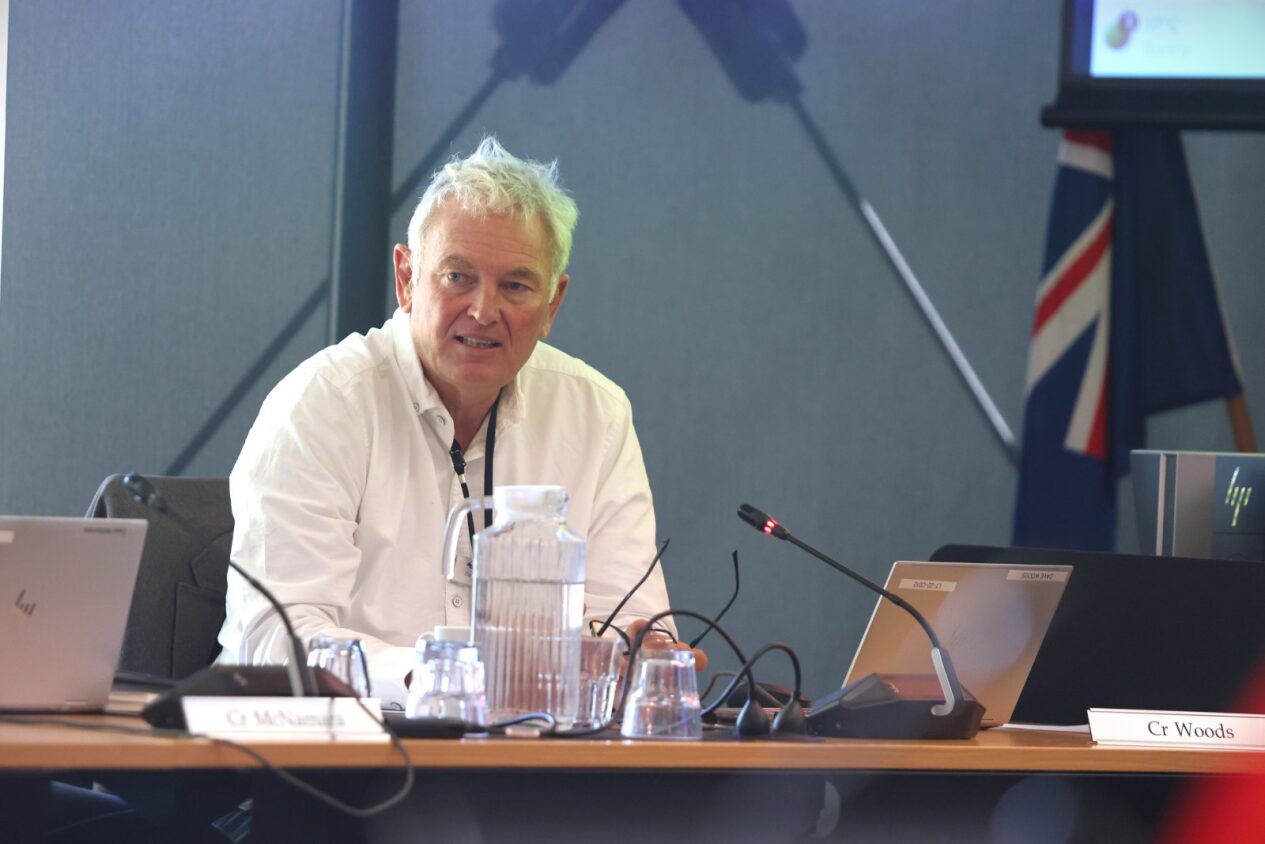
Councillor Dave Woods also queried why the council was not yet able to set the remuneration of three iwi representatives according to the suggested pay scale, especially when the council was not involved in their recruitment.
“Let’s say the iwi representatives, one is a school teacher and one is a high-level CEO. To us, regardless of that resumé, their responsibilities on the committee are equal… Why can we not say right now and here what those [remuneration] levels are?”
Prior to adopting the policy, King replied that the council had not yet approved the pay scale for the panels to consider.
He also warned against comparing the skills of those sitting on council committees when discussing pay, as the council itself was made up of people from various backgrounds – including one school teacher in councillor Kerryn Ferneyhough.
“Councillors are all paid the same. No one’s making an assessment or a judgment about your background, [or] your skill level… it is the responsibilities that we have, collectively, that determine what you’re paid,” he said.
“I don’t think you want to start making judgments about who’s paid how much based on their background. That would be probably unhelpful.”
The new pay rate for appointed members will be on a daily basis, and was expected to be cheaper than the council’s previous approach of an annual rate.