
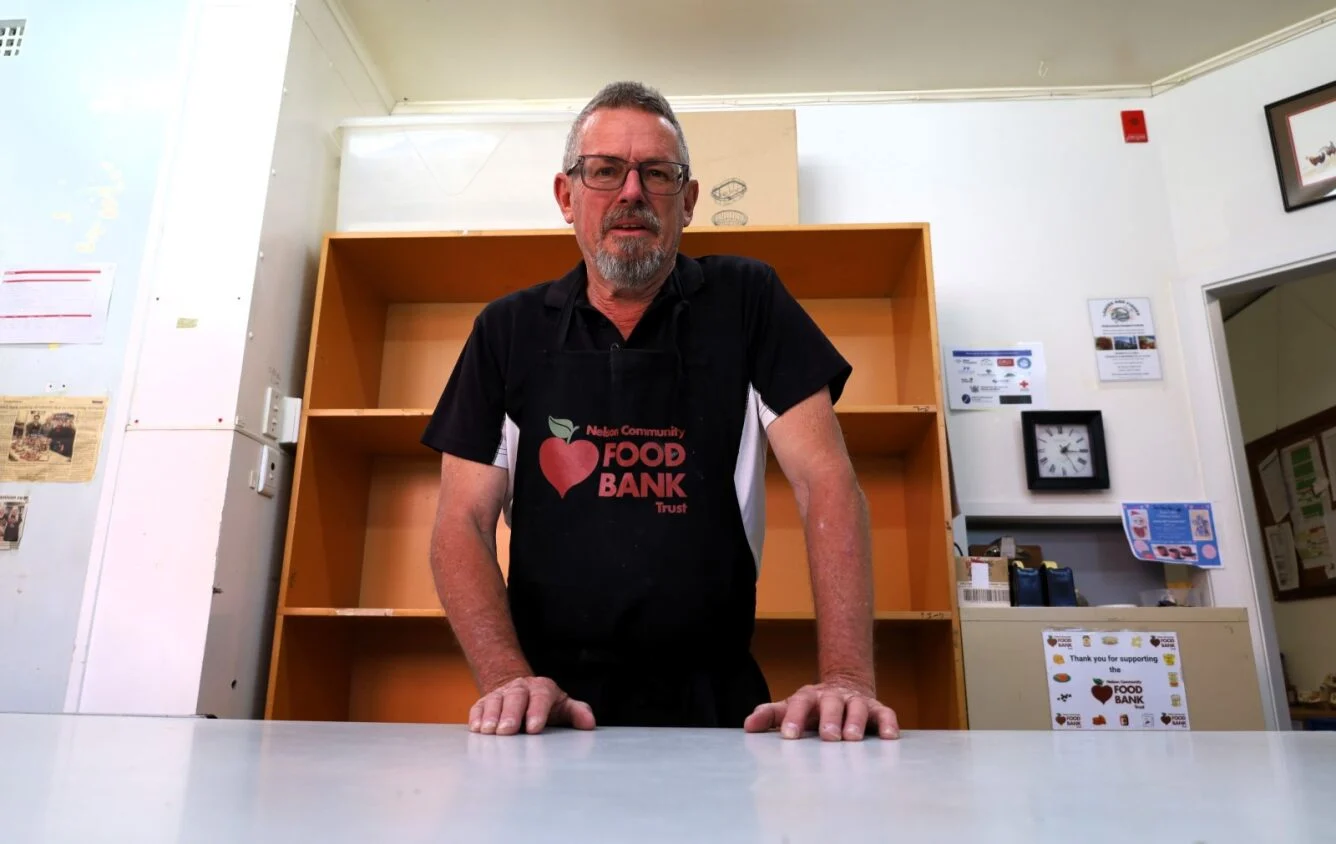
Rising fuel prices are adding pressure to Nelson families already struggling to make ends meet, with community organisations reporting increased demand for food support and rising levels of stress.
Manager of the Nelson Community Foodbank, Neville Hadfield, says demand for food parcels was up 20 per cent in March, compared to the same month last year.
As of Friday, they had already handed out 168 parcels for this month and were on track to surpass the 301 parcels given out in April 2025.
Neville says they are spending more on fuel for pick-ups and deliveries and are topping up vehicles more regularly. The agencies they deal with are also citing fuel costs as a reason why people need help with food.
“And, for some families, there is just no way for them to come and get that food.”
Neville says the demand also increases during school holidays when some children are not receiving a free lunch at school.
Donations are also down, and Neville says some people who regularly donated a bag of food cannot afford to do so anymore.
“Everyone is being more careful and can’t afford the extra.”
At the Victory Community Centre, community coordinator Steve McLuckie says the effects are being felt across the community.
“People are definitely feeling the impacts of fuel price increases, and this all comes on top of the cost-of-living anxieties that were already there.”
The centre provides weekday kai parcels to people in need, but capacity is limited. While it is not an official foodbank, the centre relies on supplies from Kai Rescue and donations from the public.
Steve says demand is outpacing what they can provide, with only about three whānau food boxes able to be prepared each day.
As more people reach out for help, including many who have never needed assistance before, wait times are increasing.
The pressure is echoed by The Salvation Army in Nelson, where fuel prices are a recurring concern among those accessing services.
“People talk about how rising petrol prices are eating into money that would normally go towards food or other essentials,” community ministries manager Tor Kiore says.
Donations, particularly from supermarkets, are declining, a trend Tor believes is also linked to rising fuel and living costs.
“Supermarket food donations are down, and we believe rising fuel costs are affecting this. When household budgets are tight, food is often the most flexible expense, as it’s the part of the budget that can be reduced or stretched. As a result, both donors and families feel the impact.”
Access to support is also becoming more difficult for some. With services often requiring people to travel to collect food parcels, higher transport costs can create an additional barrier.
“Our service is currently pick up from our office only, and as transport costs rise, even getting to us can be a barrier. We are currently looking at our options and how we address this issue.”
Tor says the organisation has also seen a shift in who is seeking help.
“Traditionally, most of our appointments have been with single people, mainly men, but we are now seeing a steady rise in families coming through our doors, including larger families, many of whom have not needed assistance before.
“There is a noticeable increase in anxiety among the people we support. Many are exhausted from trying to make everything work week to week. There is a constant sense of uncertainty, and people are always asking themselves what the next cost will be and how they will manage.”
St Vincent de Paul Nelson president Elizabeth Owens says they are also seeing more people struggling, especially “when the budget is tight or non-existent”.
“Do they get the kids to school, or put food on the table? It’s always a juggling act.”
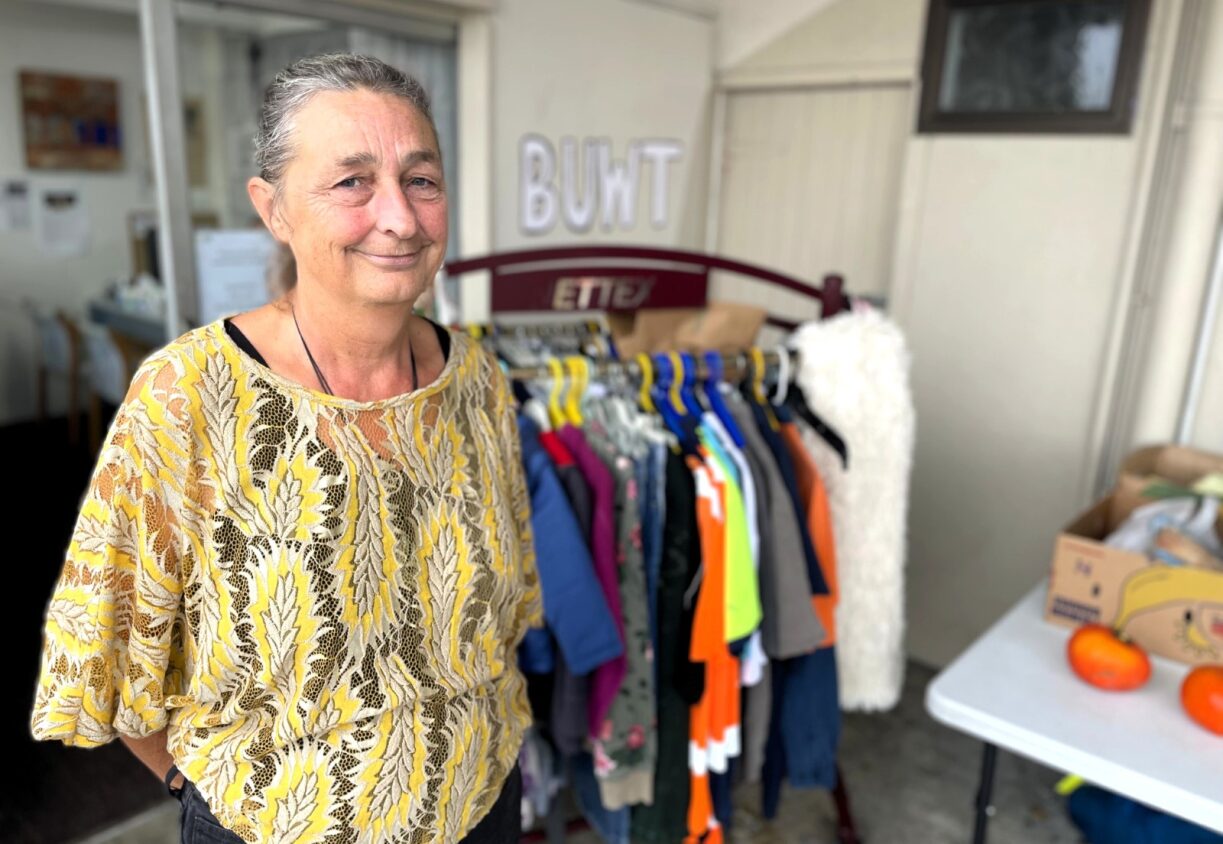
At the Beneficiaries and Unwaged Workers Trust, a Nelson-based organisation supporting low-income earners and beneficiaries, fuel costs are adding to already difficult situations.
Manager Kay Brereton says many clients are facing impossible financial choices, and higher fuel prices are making things worse.
She says the added expense is stretching already tight budgets, forcing families to choose between essentials such as rent, transport and food.
Kay is calling for practical responses from government agencies, including greater flexibility from Work and Income.
“I hope Work and Income will be taking sensible steps, such as not requiring people to come to the office and doing more by phone with people.”
She also points to the impact on those needing medical care, saying increased support is needed for transport.
“I’m also hoping that the very low mileage rates for disability travel will be increased so that people can still get to their essential health services.”
Meanwhile, Tor says targeted food donations could make a significant difference for families under pressure.
“If people are in a position to donate food items, specific pantry staples would greatly improve our ability to support families with nutritious, practical meals. This kind of approach supports dignity, choice, and better outcomes for whānau during a time of increasing financial pressure.”
Nelson Community Foodbank is also seeking donations of staples, such as rice, Weet-Bix, canned food, which can be dropped into food bins at local supermarkets, and they also appreciate any donations of fresh fruit and vegetables.
