

Local manufacturers are weighing up whether they can pass increased costs to customers as the fuel crisis continues, while many businesses are reviewing operations on a day-to-day basis.
Nelson Regional Development Agency (NRDA) manager of innovation and business growth, Mark Maguire, says some manufacturers are reporting a profound impact as their costs rise, while managing weekly cashflow has become a priority.

He says supply chain issues are a concern due to delays or shortages of materials that could affect delivery timeframes.
The agency works with a wide range of the region’s large and small businesses including technology companies, manufacturers and exporters, with the latter anxious about delays, re-routing, and increased costs across shipping and air freight.
“At the same time, a few businesses say that they are not experiencing any significant immediate disruption at this stage. Although those same businesses report they are planning for higher input costs, reviewing logistics and contingencies, and some are considering steps to support staff with commuting costs.”
Visitor destination manager Craig Boodee says tourism operators are feeling the pressure from high fuel prices, although many are absorbing the added costs for now.
“We saw a small number of international cancellations and postponements back in March from UK and European visitors, as the Middle East disruption started to affect travel routes to New Zealand. The region naturally moves into its quieter autumn and winter months, so thankfully it was not at the height of peak summer.”
Craig says tourism operators had a slightly better summer this year, and so far, forward bookings for the 2026/27 summer season are looking good.
He says accommodation providers are anticipating a quieter few months ahead and are already seeing business travellers spacing out their regular trips to the region, which adds further pressure.
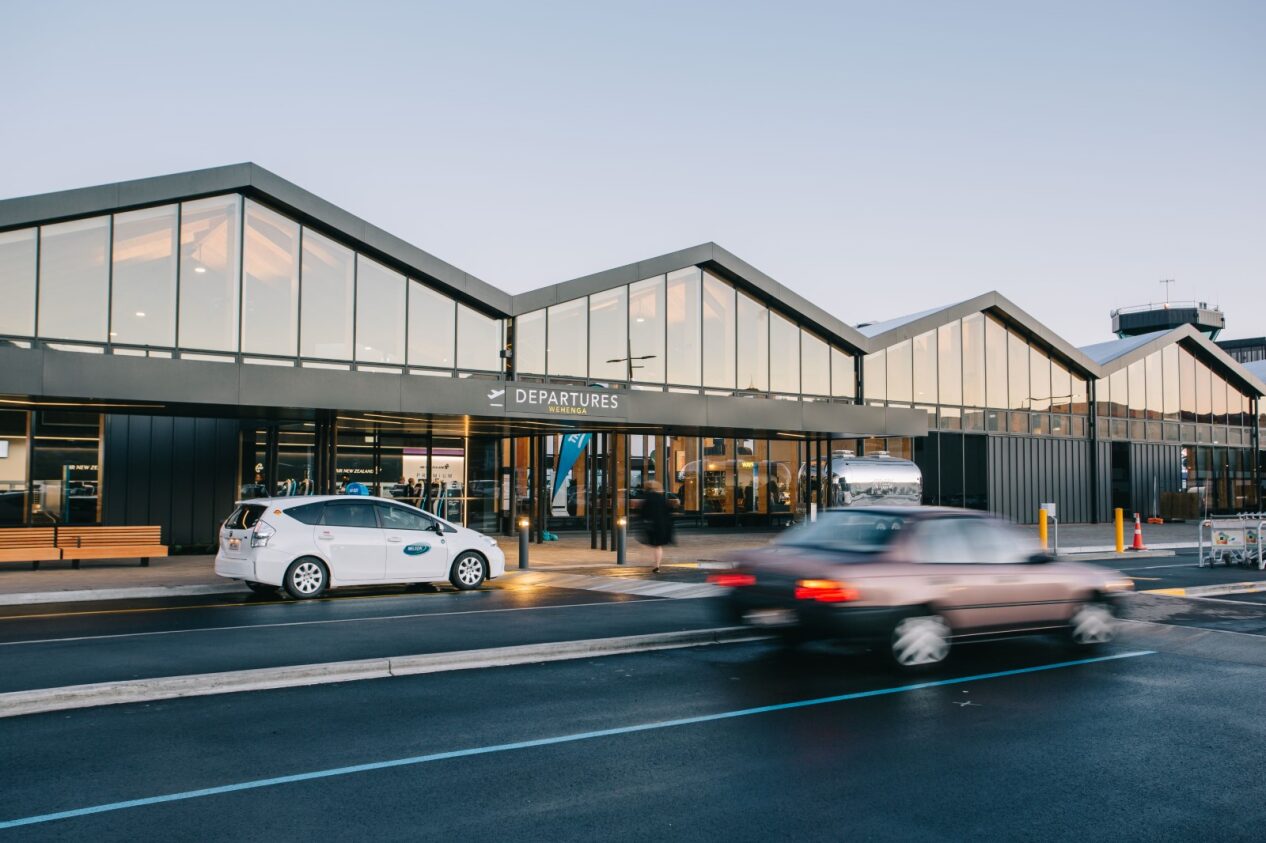
“Air New Zealand's schedule reduction of 5.5 per cent through Nelson Airport is not ideal, though mid-May fares between Christchurch and Nelson remain reasonable at $120 to $150 each way. Cook Straight Ferry disruptions are also making the headwinds a little bit stronger.
“Fuel costs remain the number one pressure for experience operators, which are currently being absorbed rather than passed on. The cost of fuel does change visitor behaviour, creating a bit of hesitation to travelling long distances. However, visitors may choose to base themselves in one spot and take day trips and shorter trips, which is easily doable in Nelson Tasman with so much to see and do a short distance away.”
He says, it is important to stay positive and full throttle in tourism marketing efforts, and the agency has recently met with 85 travel agents across Sydney and Auckland, as well as hosting journalists from Canada and Southeast Asia. Fifty international agents and 20 media appointments are lined up at New Zealand’s International Tourism Business Event (TRENZ) in May. A recent Guardian feature pitched by NRDA declared the Nelson Tasman coastline the most beautiful in the world.
“That’s the kind of coverage we need right now, with a monthly worldwide readership of 30 million people, and we continue to promote our region ranked number one for overall visitor satisfaction by Kiwis in the 2024/25 Tourism Industry Aotearoa survey.”
Heading into winter, he says, the focus shifts closer to home.
“We will be working closely with Hospitality NZ to encourage locals to enjoy the tourism and hospitality of their own region, at a time of year where the weather is still pretty good, showcasing what is in our own backyard and profiling local offers.”
