
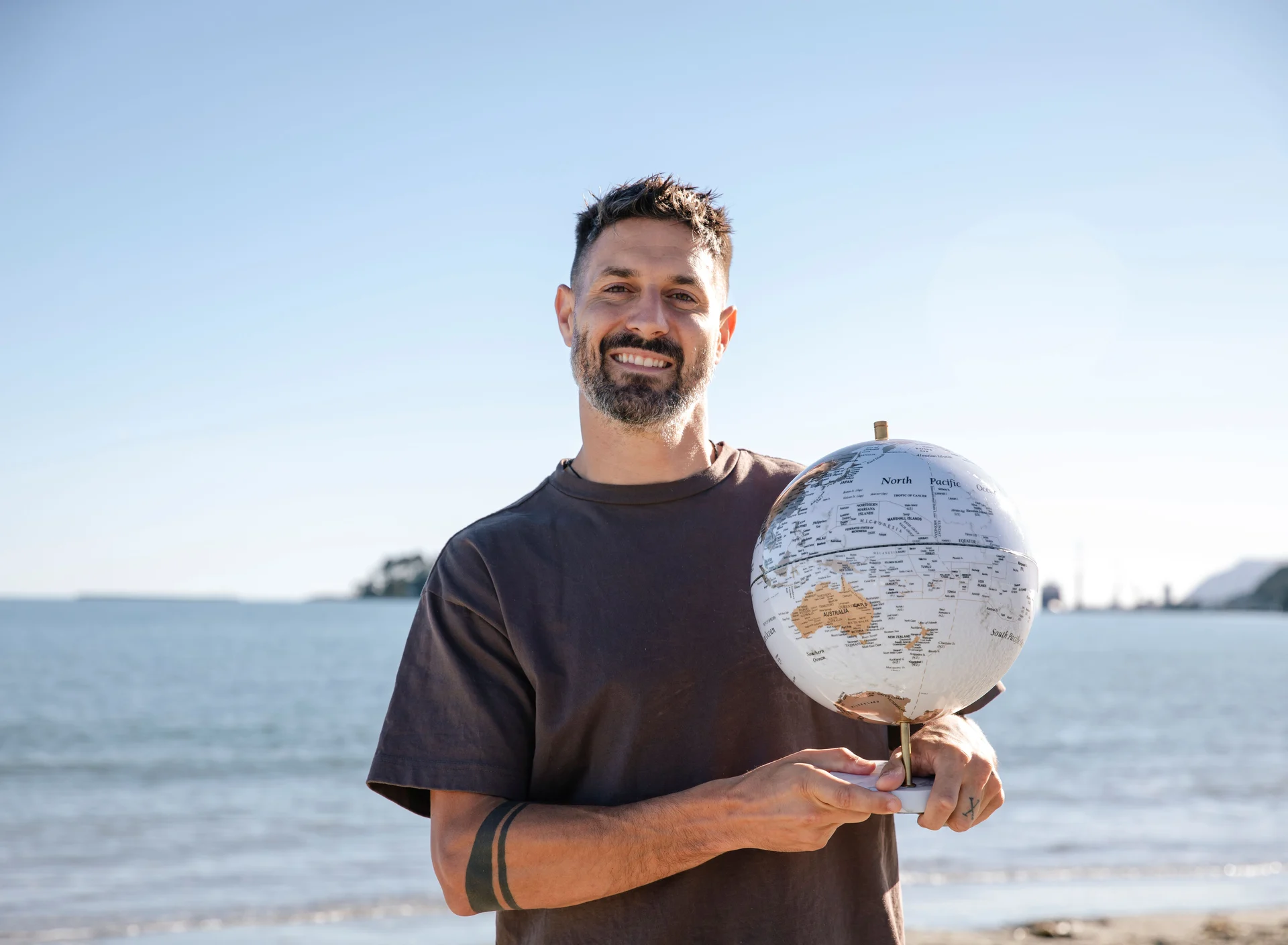
All modern-day travellers set their worldly sights to see based on finances and personal preferences, but occasionally you meet someone with a global goal that takes them to corners they would not otherwise have ended up, as Britt Coker finds out.
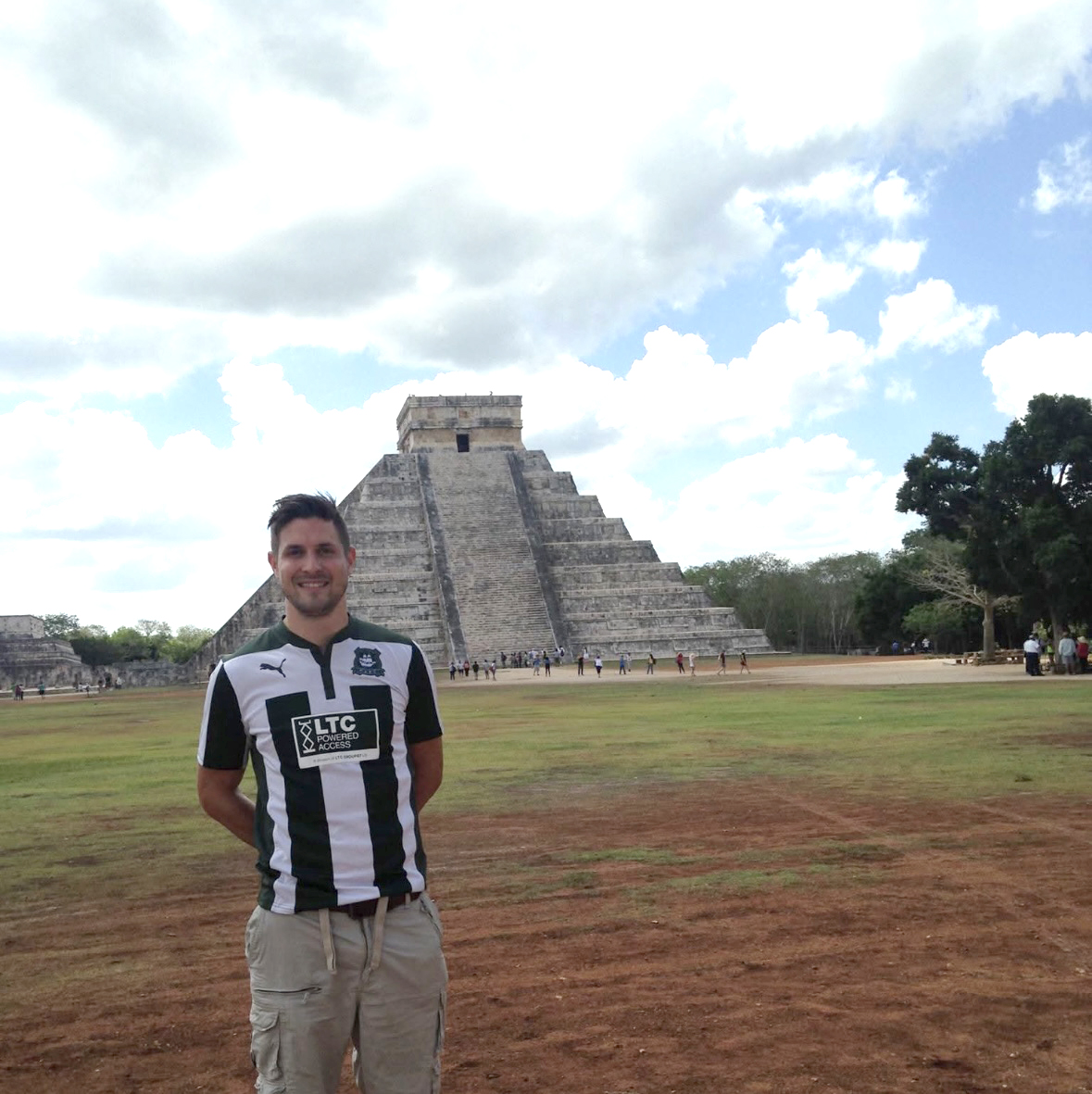
On the seventh day of the seventh month in 2007, after undertaking a global campaign that saw over 100 million people vote for their preferences, the New Seven Wonders of the World were announced. I missed it. James Owen didn’t though. When he was 20 years old and visiting the Pyramids of Giza, the tour guide mentioned this list of New7Wonders and it piqued James’ interest sufficiently that when he returned home, he hatched a plan to visit them all. The word ‘new’ is a bit of a misnomer as all but one are centuries old. They are – Petra (Jordan), Machu Picchu, (Peru), The Great Wall (China), Chichén Itzá (Mexico), Cristo Redentor/Christ the Redeemer (Brazil), the Colosseum (Italy), and the Taj Mahal (India).
For most of us growing up, the Seven Wonders of the Ancient World were all we knew of, but in name only as they were not places to visit since – aside from the Giza pyramids – they existed only as rubble, dust or artists’ impressions. The list was created by early Greeks travellers and the sights were confined mostly to the Eastern Mediterranean.
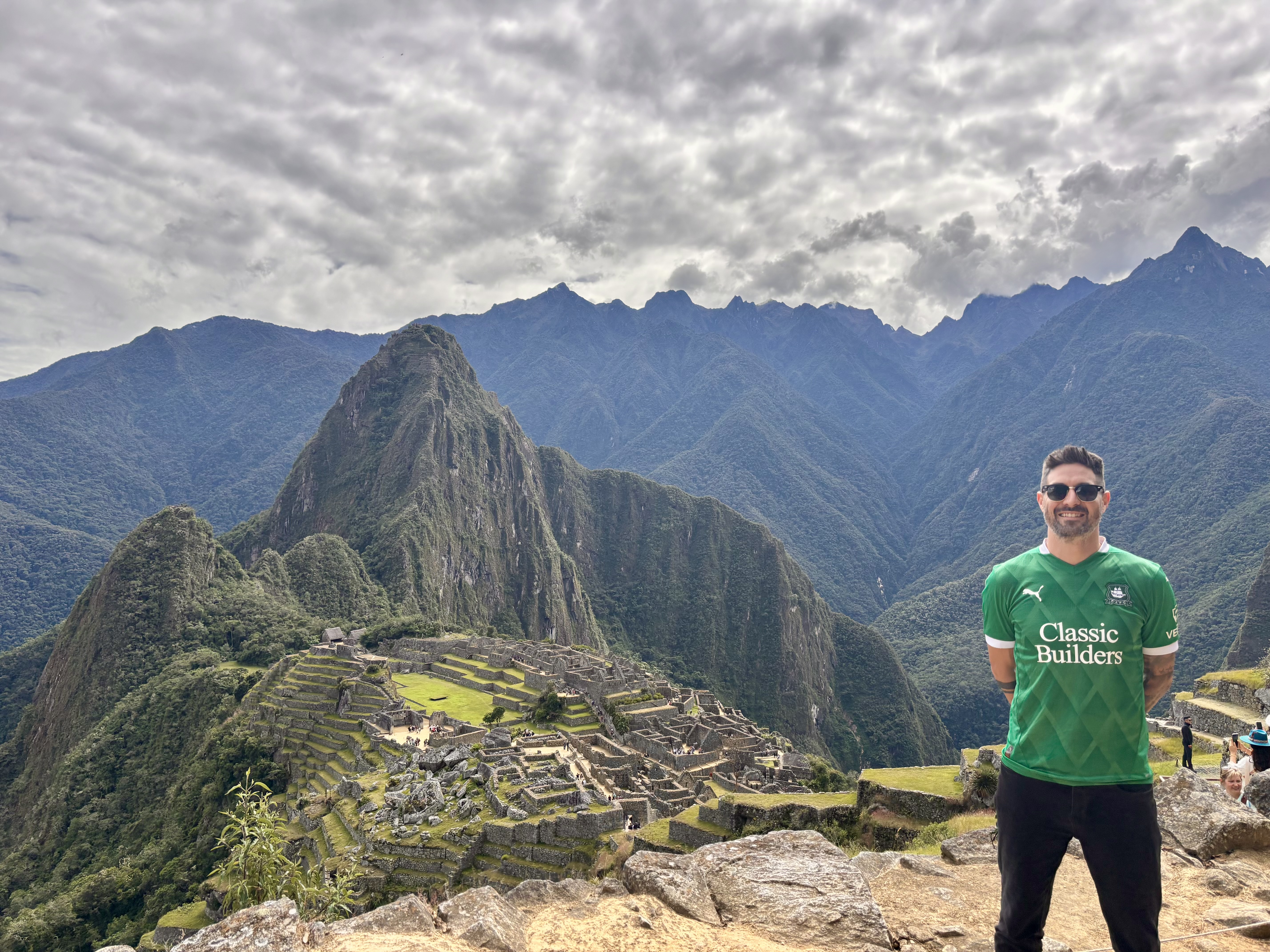
So here we were with a more diverse seven, which James set about visiting. It took him 16 years but last year he finally reached the last on his list, and as he arrived at Machu Picchu, the moment felt significant. And tiring. “I wasn't expecting it to be so hard, because you have to do four or five days trekking, and the altitude just absolutely kills you off. You probably do like, five or 10 steps and you've got to get your breath because you're absolutely knackered. I think because you've got to work to get there, it means more, whereas if I just got on a train or a bus, you kind of just see it, and that's it done.” He also valued the bonds he made with fellow trekkers and describes the experience of reaching the last modern wonder on his list as ‘euphoric’. It was a sense of achievement that he was able to share vicariously with his parents. “I managed to FaceTime them while I was there because I had a bit of data, and they were pleased that I followed my dream and completed it. It was just really, really emotional.”
When the New7Wonders organisation was established, the objective was to unite the human race with ‘7 things for everyone to remember, and 7 symbols of unity that respect, honour and celebrate the cultural diversity of our planet’. But when the names were revealed at a ceremony in Lisbon on 07/07/07, it could have been mistaken for a winner’s podium, not just because of the pomp and ceremony, but because any wonder that made the magnificent seven meant it had the potential to rake in up to $USD1.8 billion in tourism dollars per year. An already popular place like Rome’s Colosseum may not have been able to differentiate, but visitor numbers at the ancient Mayan city of Chichén Itzá in Mexico reportedly surged after it was named on the list.
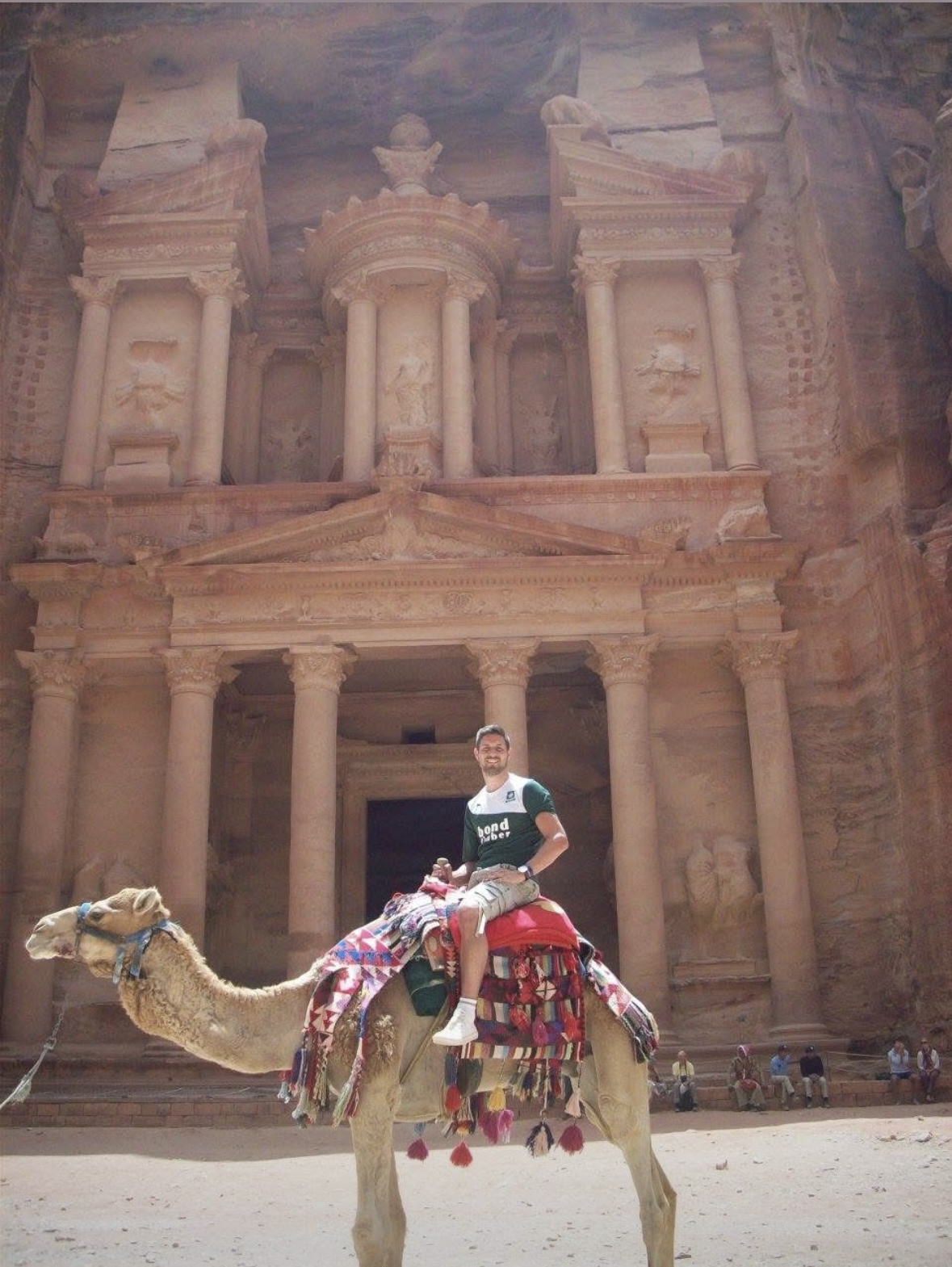
James’ most dangerous wonder to visit was the ancient city of Petra in Jordan. Petra first came to significant attention when it had the lead role in the film Indiana Jones and the Last Crusade (1989) where its famous Treasury was the location of the Holy Grail. Petra is a popular tourist sight and while it is generally safe to visit, at the time James and his friend intended to go, ISIS had been kidnapping British tourists in Jordan. So obviously, when James heard such worrying news, he did what any sensible person would do in this situation and still decided to visit Petra. Did I mention he was also British?
“We had to go through the backstreets to sort out a deal with somebody to take us. And we went on a couple of ferries, and then there's busses and coaches, and it was all very sort of secret to try and get into the country. We got through Border Patrol, – because it was really unsafe they weren't allowing tourists, but we managed to get through, and went to see it and came back the next day... I quite like the idea of being a little bit nervous about it, having to have your wits about you.”
By comparison, my idea of having my wits about me is running into someone I haven’t seen for ages and remembering their name.
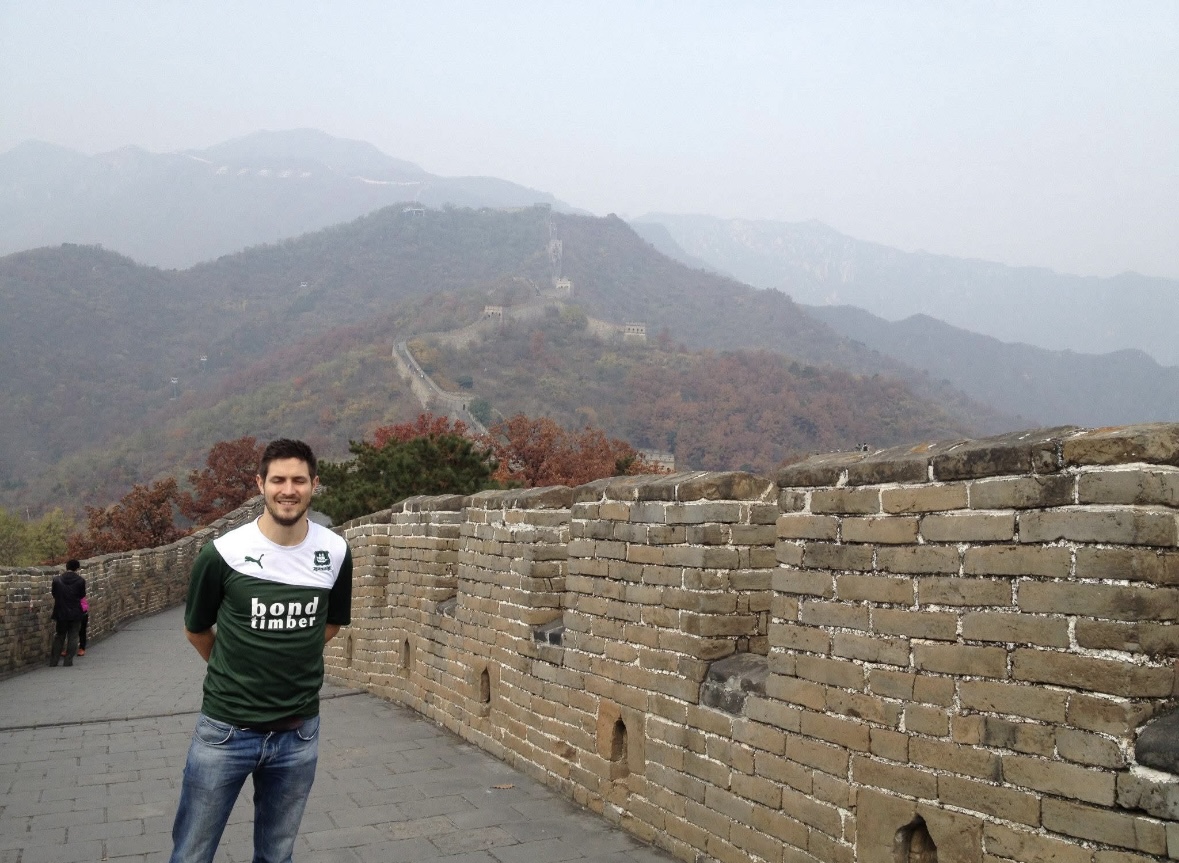
James says that the quietest of the New7Wonders to visit was the Great Wall of China. Though that’s mostly because there is 21,196 kilometres of it. Plenty of space for everyone to spread out and take a selfie without too many influencers blocking the magnificent backdrop. James enjoyed walking a couple of kilometres along the wall. If he’d gone the whole distance, it would have taken about 18 months. Quiz teams, if you still think the structure is actually visible from space, it isn’t. Although its length is substantial, it’s not very wide. Also it’s made out of stone and other natural materials, the exact same colouring as the terrain that surrounds it. This long-believed myth can be first attributed to British archaeologist William Stukeley who wrote in 1754 when comparing the substantially shorter Hadrian’s Wall to “…the Chinese Wall which makes a considerable figure upon the terrestrial globe, and may be discerned at the Moon.” This suggestion somehow turned into fact over several centuries by people who had never been anywhere near outer space. In 2003 it was officially debunked by China's first astronaut, Yang Liwei, who said – I imagine with a great degree of reluctance – that he actually couldn’t see the Great Wall from way up high. Since the myth no doubt helped sell a few tickets to the wall over the years, I expect he’s still floating around in space, too afraid to reenter orbit.
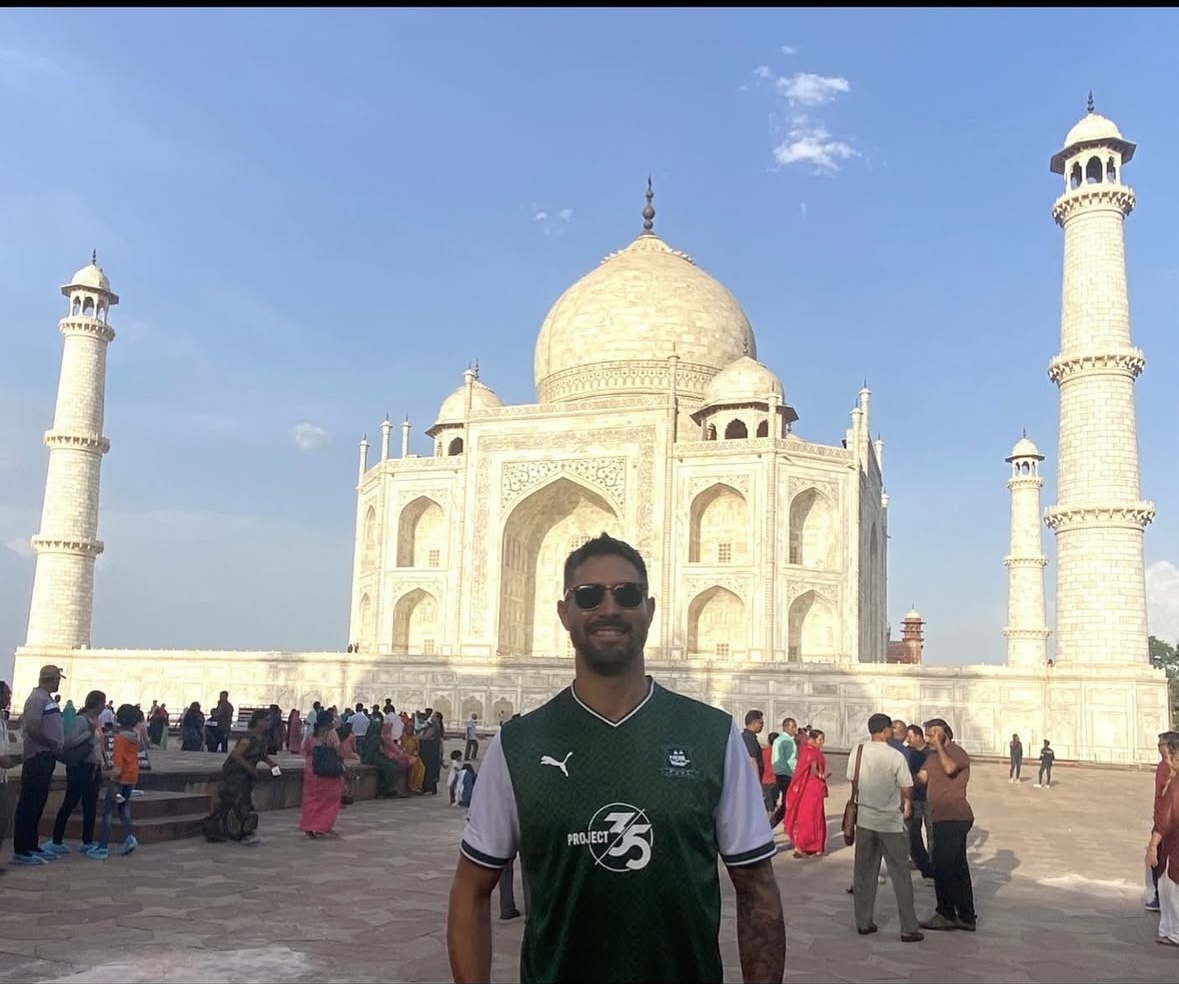
When James visited, the remaining New7Wonders were all teeming with people as you’d expect, with the Taj Mahal being the busiest. This was likely exacerbated by James requiring entry as part of a tour group (at the same time as a zillion other tour groups), plus it’s also become a busy trading spot for souvenirs. “It’s absolutely manic… It is very, very intimidating to be in a country where everyone just either wants to take photos of you or wants to sell something or get you to come into their shops…You think it’s going to be beautiful and tranquil, but it really isn't. It’s carnage.” Probably not what the Shah Jahan envisaged when he had the marble mausoleum built in honour of his beloved wife, Mumtaz Mahal.
This is the Catch-22 of being a top tourist attraction. It forces those responsible to control numbers to preserve the site, which is a good thing. But in doing so, it puts people into slotted time zones which means everyone ends up arriving within a particular window that can hamper the sense of awe and wonder that was the reason for visiting in the first place.
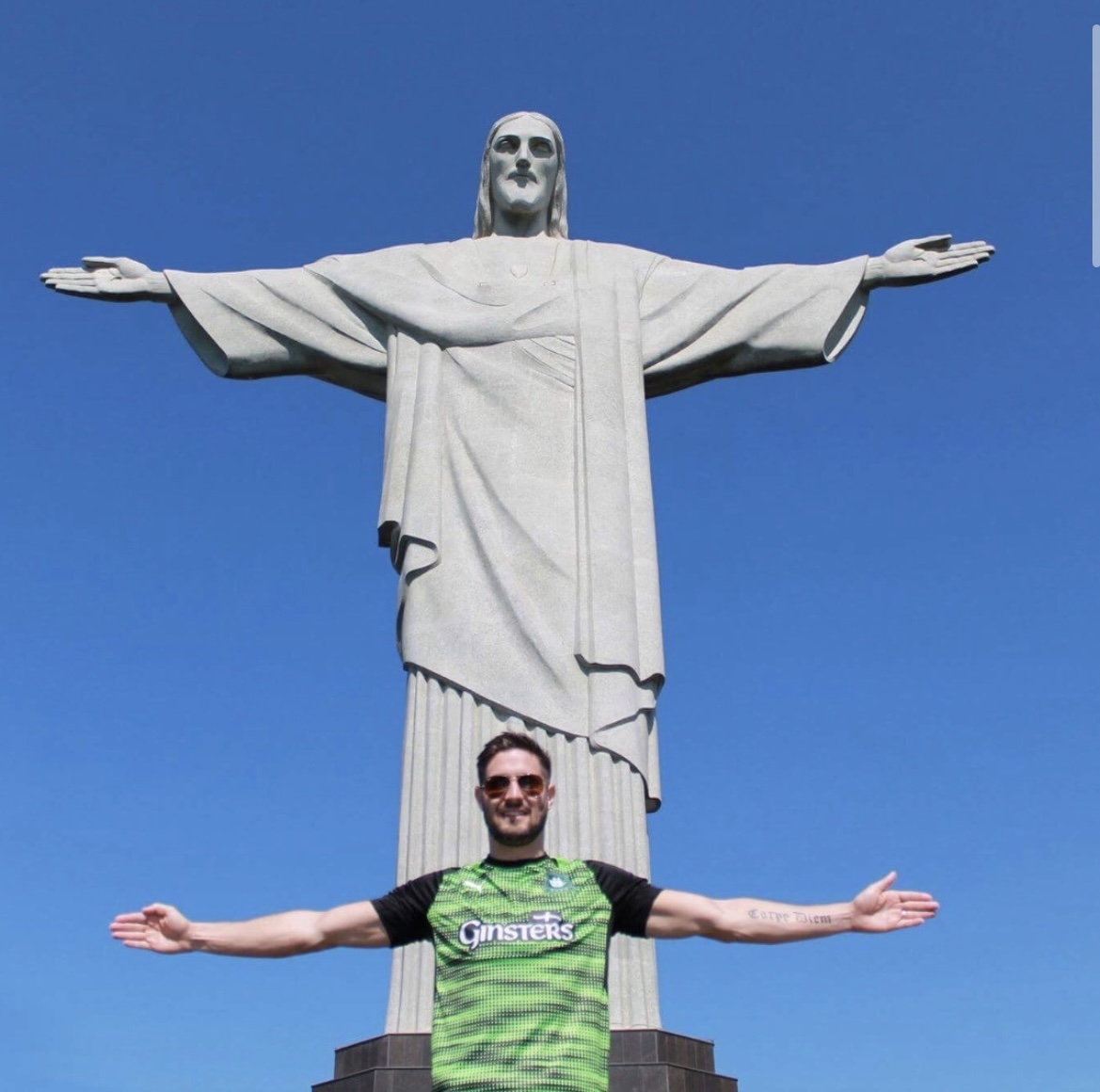
If James could return to any one of them instantaneously, it would be the most recently constructed of the New7Wonders. Completed in 1931, the 38-metre-tall Cristo Redentor is sited on the top of Mount Corcovado, towering over Rio de Janiero. Here, it is as much about what you can see below you, as it is above. “I'd probably go back to Christ in Brazil, just because you get the view when you get to the top. You can look over all the favelas. You can look over the beach, over the hotels, and it's just a train ride up to the top. It's nothing like trekking through the jungle for four or five days, but the climb up there was so amazing, I'd probably do that one again if I had the chance.” Unsurprisingly, the giant sandstone statue of Jesus Christ, with his arms outstretched, has been struck by lightning several times.
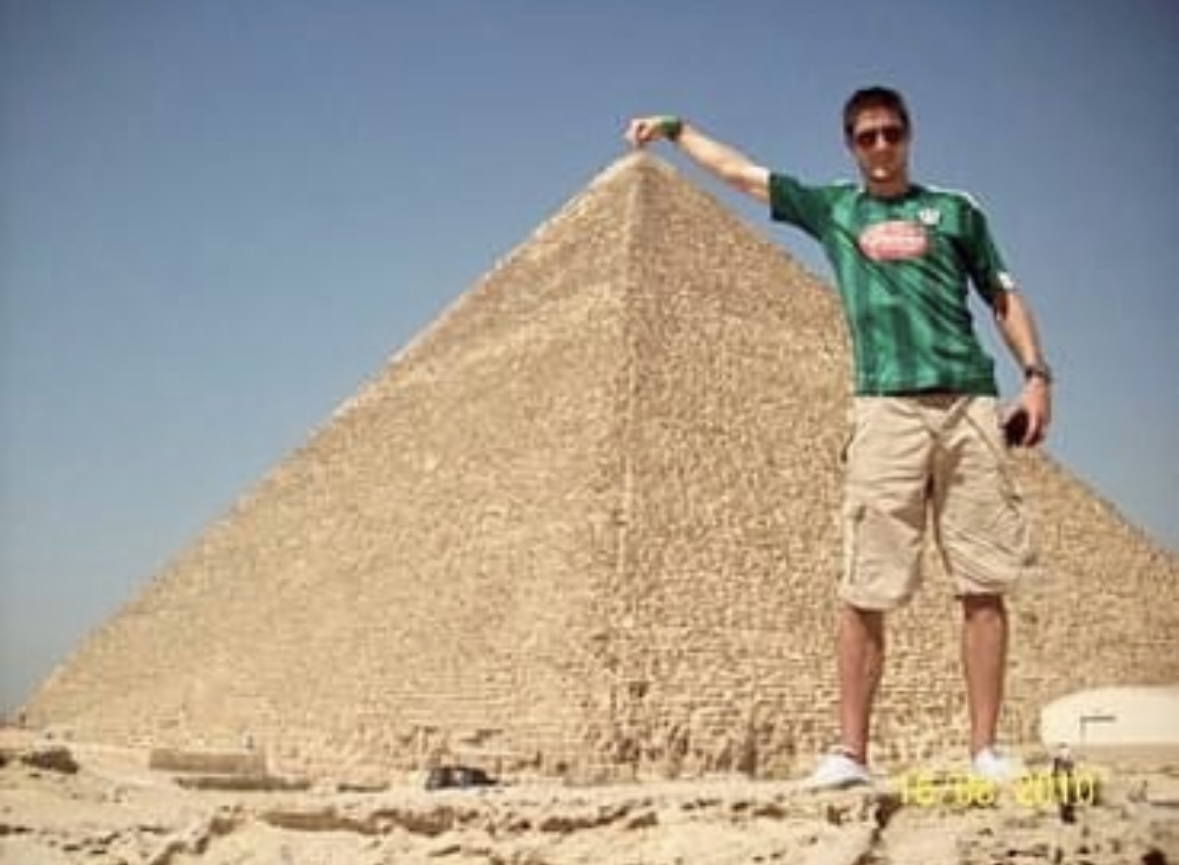
The Great Pyramids of Giza (2580 BCE) is on the list as an honorary eighth wonder, which could be seen as a bit of an insult for such a significant site. Since it’s the only one of the original ancient wonders to still be standing, presumably they didn’t feel they could also make it a modern one and they couldn’t ignore it either.
We’ll each have our own amendments to that list too, I guess. James admits his bias when he wishes that Stonehenge had made it as one of the New7Wonders. But what is the criteria for a wonder anyway? Most difficult to construct? The most durable, most workers, most culturally or societally impactful, most awe-inspiring?
While we focused on seven notable tourist sites, it transpires that James has also travelled to 48 countries, with Rarotonga and Fiji in his sights this year to round the numbers up. “And then I think that's me done. Yeah, quite happy to finish on the number 50.” His priorities have changed, as they do for everyone. There is talk of settling down and starting a family. “I've always had a bit of an itch where I've always wanted to go and see as many countries as I can. But once I get to the big five-zero, my dream’s completed; I'm happy. I'm not going to say I’ll never visit other countries again, but I won't be actively looking all the time.”
Now that he has visited so many diverse countries and cultures, does he have a favourite? “I’ve just been granted a five year Accredited Employer Work Via with my work CLM. But honestly, I absolutely love it here. I think people don't appreciate how nice Nelson is. People are so friendly. Yeah, so this is by far one of my favourite countries.” James has fallen nicely into my trap. No really – it’s us, everyone! New Zealand is James’ ninth Wonder of the World (my words). Important to note, the ninth to be added, but number one by personal popularity (also, my words). And of course, it makes sense as we have many redeeming qualities. Christchurch also gets a mention and James may have described it as ‘absolutely amazing’, but Nelson is clearly the standout (yes, my words again).
For almost 20 years now, 7 July is celebrated as 7 Wonders Day and the organisation encourages people to not only celebrate the officially elected New7Wonders, but also to come up with your own ideas and become active in the preservation of your heritage. To visit with family and friends a location full of wonder and share your happiness with others. Which highlights an interesting point. Every one of the New7Wonders he visited, James went with a friend or partner. He doesn’t think he would have seriously contemplated visiting any of them on his own. “I don't think I could have done. I've always liked to travel with somebody. I guess it's also good for security reasons as well. But it's always good too because you get so much time with them and you get to know them so much better, you become real good friends afterwards.” Yes, a lot of independent travellers would be happy to visit these places on their own, but it’s likely the majority of humanity would prefer to have someone to share both the experience and the memories. James coordinated a Brazil meet up with his travelling best mate so they could visit the Cristo Redentor together. He admitted that it’s not his favourite of the modern wonders but it’s the one he chooses to return to if he could. To share the moment with his best friend, he agreed, impacted the level of joy that he experienced standing before the monument. So maybe as awe-inspiring as the wonders can be, they will never be as wonder-full as the human beings we share the moments with.
