For Motueka’s wild feline population, a hard-working rescue organisation is the absolute cat’s pyjamas.
Tasman Kit and Cat Rescue has been operating for several years, but its recent registration as a charity has helped build momentum.
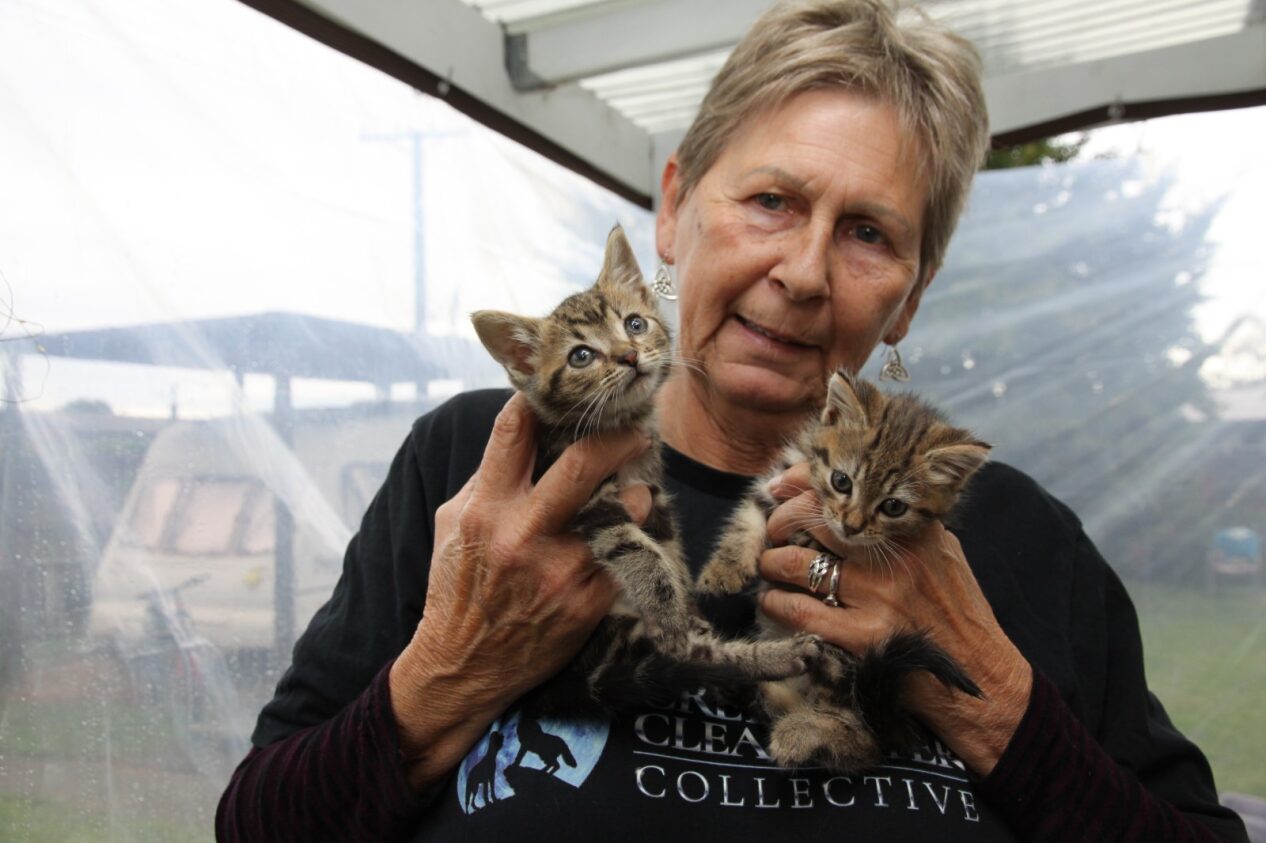
Volunteers work together to feed and gradually tame stray cats, eventually trapping them and matching them with foster homes where they can be acclimatised to life as a domestic moggy. The cats are given flea and worm treatments, and are vaccinated, desexed and microchipped before an appropriate forever home is found.
The group fostered 50 cats in 2025, many of them from a single, ever-growing colony. Chairperson Chrissy Clements says the aim is to “get them off the street”, or at the very least ensure they are desexed.
The colony’s location is kept secret after members of the community suggested poisoning or shooting the animals. Chrissy says people are entitled to their opinions, but if it came to that, she would want the cats euthanised properly.
After many months of hard work, the colony is slowly being brought under control. It began with about 30 cats and is now down to 10, with numbers fluctuating as new litters arrive and are removed. The goal is to clear the colony completely before moving on to the next one.
Meanwhile, the cat is now well and truly out of the bag, with an increasing number of people contacting the group about other strays and dumped kittens. Vice chairperson Renay Callagher says that the group has already matched last year’s total of fostered cats just four months into 2026.
It usually takes a couple of months for the felines to become domesticated – a little less if they arrive as very young kittens, Renay says.
“Even the wildies – some of them can be extremely easy to turn around.”
Most people take on one or two at a time, but the need is high. Renay is filling the gap by fostering eight cats currently. A lifelong cat lover, she says that she adores their unique personalities and their scent when she buries her face into the scruff of their fluffy necks.
The group has a committee of seven people, supported by 15 fosterers and another 10 volunteers who help with feeding and trapping. More helping hands are always welcome, as are resources. With medical and food costs included, the group estimates it costs about $600 per cat to get them ready for rehoming. A small portion of this is offset by adoption fees, but much of it has previously been paid out of volunteers’ own pockets.
Renay says Vetlife Motueka and Tasman Vets have been hugely supportive, offering supplies and discounted medical rates. Nelson’s Petstock passes on surplus products, and New World Motueka also donates products. Donation bins for goods are located in Vetlife Motueka and Richmond, or items can be dropped to Motueka’s 8 Mountview Place.
The group also has a Givealittle page and welcomes donations to Tasman Kit and Cat Rescue Charitable Trust, account number 02-0692-0175791-01. For more information, email tasmankitandcatrescue@gmail.com.
