Historic Fonterra payment flows into regions
A multi-billion dollar payout from Fonterra is being described as a rare opportunity for dairy farmers, with money now flowing into rural communities across the country, including the Top of the South. The payment follows the co-operative’s sale of its Mainland consumer brands business. About 8,000 farmer shareholders are receiving an average payout of about $400,000, with some receiving significantly more depending on their shareholding.
Combined payments, including capital returns, dividends and milk payments, have injected more than $5 billion into the New Zealand economy in just days, making it one of the largest cash distributions in the country’s history. Industry leaders say the scale of the payout is unlikely to be repeated and are encouraging farmers to treat it as a one-off opportunity. Early indications suggest many farmers are focusing on reducing debt, upgrading farms and strengthening long-term resilience, while others are reinvesting or planning for succession.
The influx of cash is also expected to lift activity across rural service industries and provincial economies. While the payout coincides with relatively strong milk prices, farmers are being reminded the dairy sector remains cyclical, and locking in the benefits of this exceptional season will be critical in managing future volatility.
Katie Milne – from farm advocate to National candidate
Former Federated Farmers president Katie Milne has been selected as the New Zealand National Party candidate for the West Coast–Tasman electorate ahead of the 2026 General Election.
A fifth-generation West Coast farmer, Katie is well known across the primary sector, having served as Federated Farmers’ first female national president from 2017 to 2020. During that time, she became a prominent voice on issues including Mycoplasma bovis, farmer wellbeing, and environmental regulation.
Katie has also held a number of leadership roles beyond Federated Farmers, including vice president of the World Farmers’ Organisation and involvement in initiatives such as Predator Free 2050.
Her selection follows the retirement of long-serving MP Maureen Pugh, opening the seat for a new National candidate. Katie says she is “honoured” to step forward and campaign for the region, highlighting her focus on economic management, reducing regulatory pressure on farmers, and supporting rural communities.
New Zealand deer velvet gains boost in Korean market
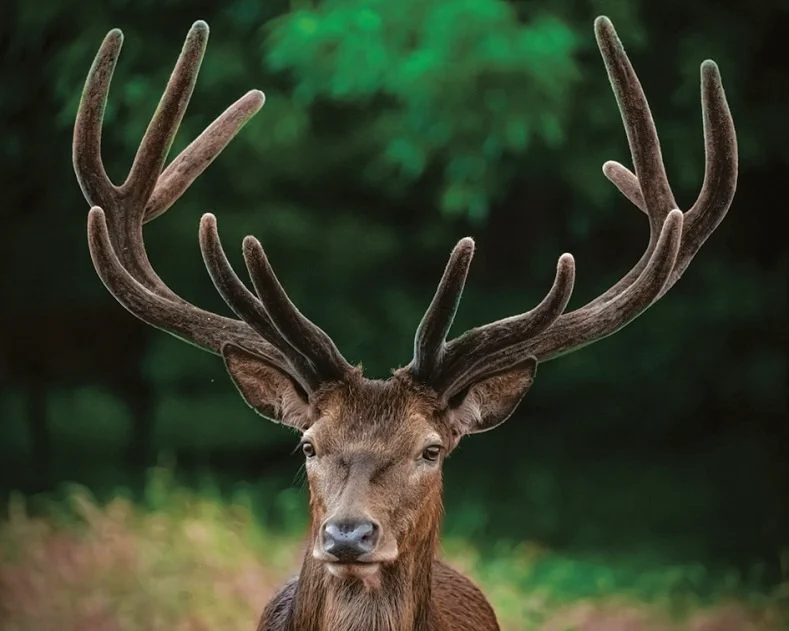
New Zealand deer velvet has taken a significant step into the South Korean health market with the launch of HENKIV IMMUNE, an immune-support health functional food developed by Yuhan Care.
The product, made using an extract from New Zealand deer velvet, is the only velvet-derived ingredient approved by South Korea’s Ministry of Food and Drug Safety for an immune-enhancing functional claim. The approval follows years of clinical trials and investment by Yuhan Care, a subsidiary of South Korea’s largest pharmaceutical company, Yuhan Corporation.
Deer Industry New Zealand chief executive Rhys Griffiths attended the Seoul launch alongside Bioeconomy Science Institute senior scientist Stephen Haines and industry partners. Griffiths says the product reflects years of collaboration and reinforces the value of New Zealand velvet as a scientifically validated, high-value health ingredient.
South Korean confidence in New Zealand deer velvet is underpinned by traceability through the VelTrak system, strong food safety standards and animal welfare practices. Industry leaders say the launch positions New Zealand velvet well for further growth in international health and wellness markets.
Applications close for Molesworth farm operation
The application period to run commercial farming at Molesworth Recreation Reserve closed last month The Department of Conservation received five applications through the competitive process.
Applications will now be assessed against set criteria, with a preferred operator expected to be identified by the end of May. The assessment will consider applicants’ experience, capability and resources, as well as how they plan to protect biodiversity and heritage values, uphold cultural values, and maintain public access. Once a preferred operator is identified, they will be invited to apply for a concession, which will be publicly notified.
The current lease with Pāmu Farms of New Zealand expires on 30 June 2026, and work is underway to ensure continuity of operations during the transition period.
Pāmu declares $10 million special dividend
State-owned farming company Pāmu has confirmed a $10 million special dividend to the Crown, following the repayment of $9.5 million in capital from Fonterra after the sale of its Mainland consumer brands business. The payment brings Pāmu’s total dividends for the 2025–26 financial year to $25 million.
Chief executive Mark Leslie says the dividend reflects stronger performance and a more resilient balance sheet, with the company reporting a net operating profit of $26 million at the half-year stage and forecasting a record full-year profit of between $97 million and $107 million. The special dividend is separate from Pāmu’s ordinary dividend policy and operating results.
Southland fertiliser proposal could boost New Zealand self-sufficiency
An Australian-led company is proposing a $3 billion fertiliser plant in Southland that could make New Zealand self-sufficient in urea production.
Victorian Hydrogen says the plant would use lignite to produce up to 1.5 million tonnes of urea a year and would not require farmland, relying instead on proven technology.
The proposal has drawn sharp criticism from Greenpeace, which has condemned the project, warning it would worsen climate change and freshwater pollution.
Watch this space as the impacts of high and uncertain fuel prices push New Zealand to look at becoming more self-sufficient.
