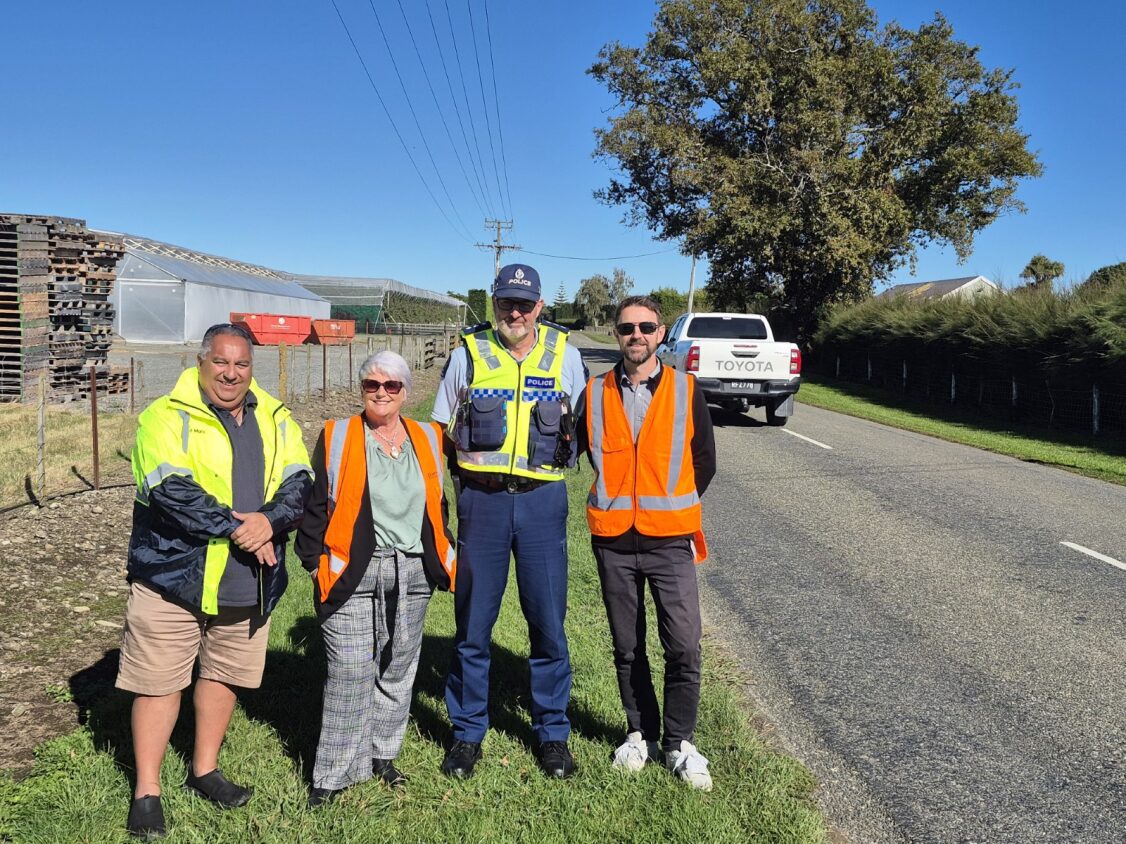
Winter and speed can be a deadly mix on roads and police will be out in force over the next two weeks targeting drivers who ignore speed limits.
Tasman’s road policing manager Inspector Marty Tunley says there is no excuse for speeding, which is the biggest contributor to deaths and serious injuries on New Zealand roads.
The Better Together speed campaign involves Police, NZ Transport Agency, councils and ACC, with a focus over the next two weeks on 80 to 100kmh speed limit areas.
“People speed because they want to get there faster and some have an impression of how good their driving is,” he says. “But when people get it wrong and crash, speed is what contributes to people getting badly injured or killed.”
Marty says the short campaign aims to draw attention to the collective risks of speeding, especially as winter road conditions make driving more hazardous.
“Sometimes rural roads carry less traffic but have greater risk because you’re not protected as much by barriers on the side of the road. If you hit a tree or power pole close to the side of the road, depending on your speed and other factors, you’re more likely to die.”
While speed is the focus of the campaign, he says police will continue to stop drivers for other unsafe driving behaviour, including impairment and tailgating vehicles.
“That’s why we have nose-to-tail accidents. There’s always a delay for your brain to catch up and react to what has happened in front of you, and then you’re behind the eight ball to stop in time.
“A lot of people who follow too close do it out of habit because nothing has happened to them – the ones that have had something happen will never follow too close again.”
On impairment, Tasman is getting closer to random roadside drug tests using oral fluid testing (OFT). Marty says 16 local staff have so far been trained to use the tests and a checkpoint was recently held at Atawhai. The next step is for all road policing staff to have OFT kits available to randomly test drivers for drugs, like they do now for alcohol.
“We’ve always known there are people out there driving impaired by drugs, and this is going to be much easier for us to take action.”
