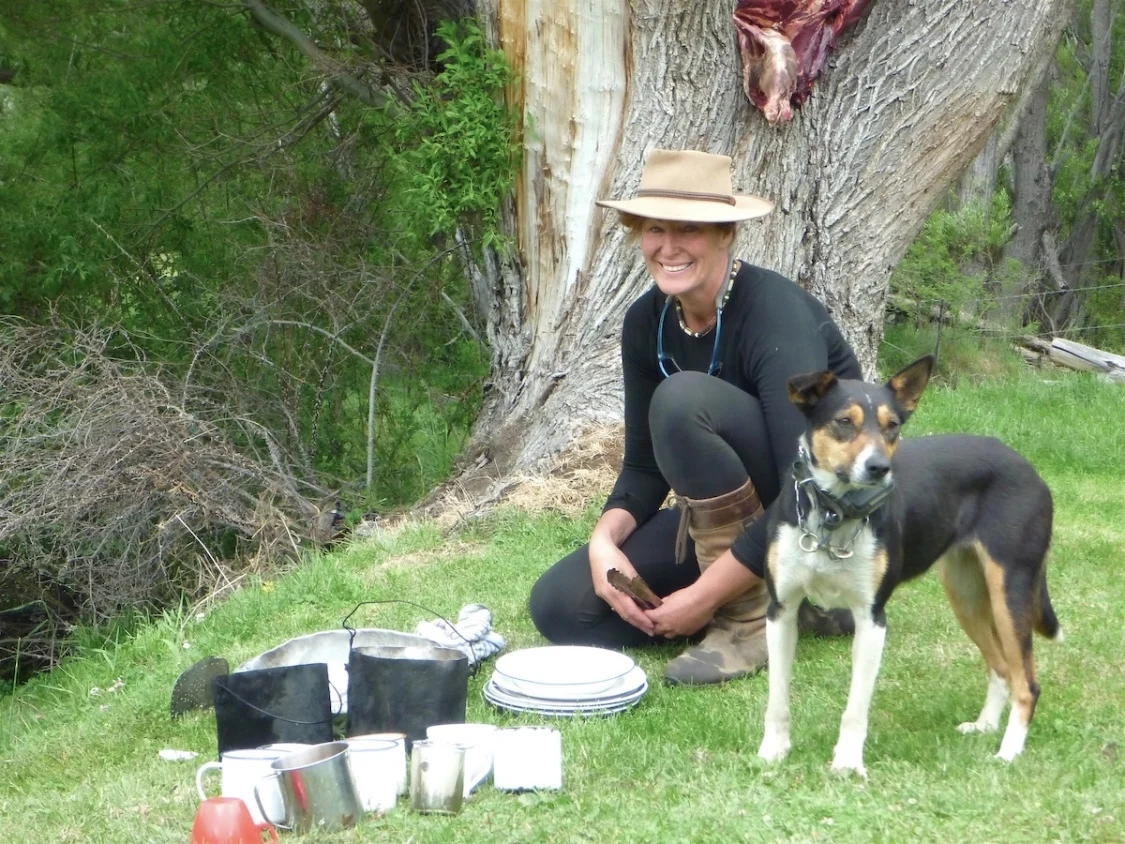
A new coffee table book celebrating the people and landscapes of Molesworth Station is striking a chord with rural communities across Waimea and Tasman, while raising vital funds for children affected by brain tumours.
Molesworth: The Heartbeat of the High Country tells the stories of those who lived and worked on New Zealand’s largest station, reflecting a high-country farming culture that many people across the Tasman region identify with through family ties, rural work, tourism and shared South Island history.
Among the voices featured is former stockman Max Percy, who first arrived at Molesworth as an 18-year-old in early 1964.
“My first view of Molesworth Station, at the tender age of eighteen in early 1964, was in the company of Wally Williams as I travelled to Bush Gully to begin work as a stockman. Not a fence or a cattle beast was in sight. Words can hardly describe my feelings as I took in the beauty of the landscape — the wide, open spaces — and my thoughts turned to its history and to those who had left their mark on this vast and isolated country. My advice before I went into Molesworth was to invest in a really good sleeping bag and a good pair of boots - because you get out of one and into the other.”
Max is one of 37 contributors to the 192-page hardcover book, created by photographer Vicky Simpson, who has spent two decades documenting life at the station.
The book brings together Vicky’s photography with first-hand accounts from people who have worked at Molesworth through the years.
“This is life in the high country — from the perspective of members of the Molesworth team through the years,” Vicky says.
While the landscapes and stories will resonate strongly with rural and farming readers across the upper South Island, the project also carries a deeply personal purpose.
Years ago, one of Vicky’s daughters, Emily, was affected by a brain tumour, something the family and Emily still live with today. Vicky remembers being in Wellington with Emily and struggling to find the support her daughter needed.
“I literally had nobody to turn to and just didn’t know what to do.”
All proceeds from the book will be donated to Brain Tumour Support New Zealand.
For the organisation’s chief executive, Sarah Verran, the cause is one she understands personally. Her daughter was diagnosed with a brain tumour at the age of ten.
“It was devastating for our family and back in 2015 there was little support to help navigate the journey,” Sarah says. “I wished that Brain Tumour Support New Zealand had been around to offer support then.”
Brain Tumour Support New Zealand was formed in 2019 to provide support beyond the clinical health setting.
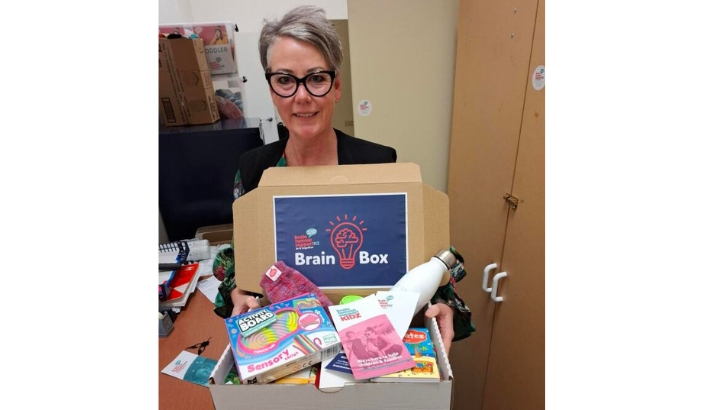
“Most people leave the hospital with nothing more than a discharge letter – this is where Brain Tumour Support helps with a Brain Box, this is often the first connection point with our service,” she says.
Launched in 2021, the Brain Box programme provides free support boxes containing trusted information, comforting items and practical resources. More than 1,200 have been delivered to New Zealanders diagnosed with a brain tumour.
About 400 New Zealanders are diagnosed with primary brain cancer each year, and it remains the leading cancer killer of children, with survival rates largely unchanged for 30 years.
Both Sarah and Vicky are determined the Brain Boxes remain free and accessible to every family who needs one.
“What comes from these things is an opportunity to make things better for those who come after us,” Sarah says.
With May being Brain Tumour Awareness Month, the release of the book is timely.
Molesworth: The Heartbeat of the High Country is available online only for $95 plus postage. Copies can be ordered at www.erimagingphotography.co.nz via the Shop tab.
More information about Brain Tumour Support New Zealand is available at
https://www.braintumoursupport.org.nz/support/brain-box
