
For many, possums are simply a nuisance, damaging native bush and threatening farms. For local trapper Joel Compton, they have become both a livelihood and a frontline defence for the environment, forestry blocks and rural properties facing growing pest pressure.
Possum control remains a critical part of protecting New Zealand’s farming sector, particularly in the ongoing fight against bovine tuberculosis (TB). Possums are one of the main wildlife carriers of the disease and can spread TB to cattle and deer through close contact on farms and in surrounding bush areas.
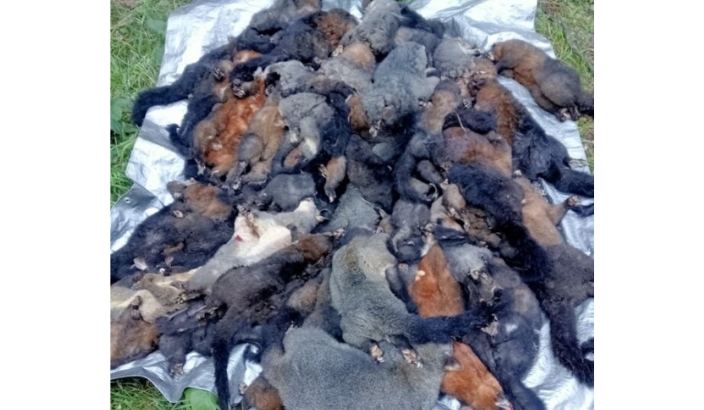
Keeping possum numbers low helps reduce the risk of transmission, protects livestock health and supports New Zealand’s biosecurity and export reputation. Effective pest control also benefits native ecosystems by reducing forest damage and protecting vulnerable bird species and habitats.
Joel believes trapping offers a more targeted and effective approach than widespread poisoning.
“It’s better than dropping poison – DOC haven’t really gotten anywhere with that,” he says.
Many of the possums Joel targets are only a 20 to 30-minute drive from townships such as Brightwater and Moutere, areas identified as pest hot spots last year. He says, keeping numbers down close to populated areas is essential, not only for protecting native birdlife and bush remnants, but also for reducing disease spread and minimising damage to farms, orchards and lifestyle blocks.
Regular culling near townships can also prevent pest populations from spreading further afield and becoming harder to control over time, Joel says.
He notes that possum numbers are often denser in pine forests than in native bush. There, possums cause significant damage by eating the tops and new growth of young trees before they can properly flower, impacting the long-term health and productivity of forestry blocks.
Joel first saw the potential to make a living from pest control at about 17, when he began working for the Animal Health Board, which at the time managed bovine TB control programmes across the country. The board was disbanded in 2013, with its functions later absorbed into TBfree New Zealand, now known as OSPRI.
“A lot of that work done under the Animal Health Board has been undone,” Joel says.
After the board closed, he moved into other work for a period. About eight years ago he returned to the industry, this time focusing on recovering possum fur, and has not looked back.
While it may sound straightforward, possum trapping requires long hours, significant travel and physical fitness. Last year alone, Joel trapped about 15,000 possums.
With permission from forestry managers and landowners, traps are set and left overnight, then checked the next morning. The possums are then machine-plucked for their fur.
“It’s called hot plucking, where you are plucking their fur close to the time you caught them,” Joel explains. “Years ago, when the possums were being poisoned, the time between catching and plucking was longer, so it was a cold pluck.”
Nothing goes to waste. The fur is sold to an agent for export, while the meat and carcasses are packed and supplied to pet food companies around New Zealand.
Joel says skilled trappers are becoming a “dying art”, with fewer people entering the industry. Gaining access to forestry blocks has also become more difficult, along with growing compliance and administrative requirements.
“All the paperwork loopholes you have to go through just to trap possums,” he says.
Despite the challenges, Joel enjoys the lifestyle and the freedom the work provides.
“I like living off the land – when I’m not out possuming, I’m out catching pigs or deer.”
Passionate about the future of the industry, Joel is encouraging younger people to learn the trade. His 16-year-old nephew, Zavier Compton, has been working alongside him and is now close to doing the work full time.
With possum numbers still high across the region, Joel says that the work is far from finished. Years of effort have gone into building a system that keeps pests from rebounding too quickly, and he takes pride in seeing it work. By controlling possums close to home and passing on his skills to the next generation, he hopes to help protect local farms, forests and native wildlife for years to come.
