
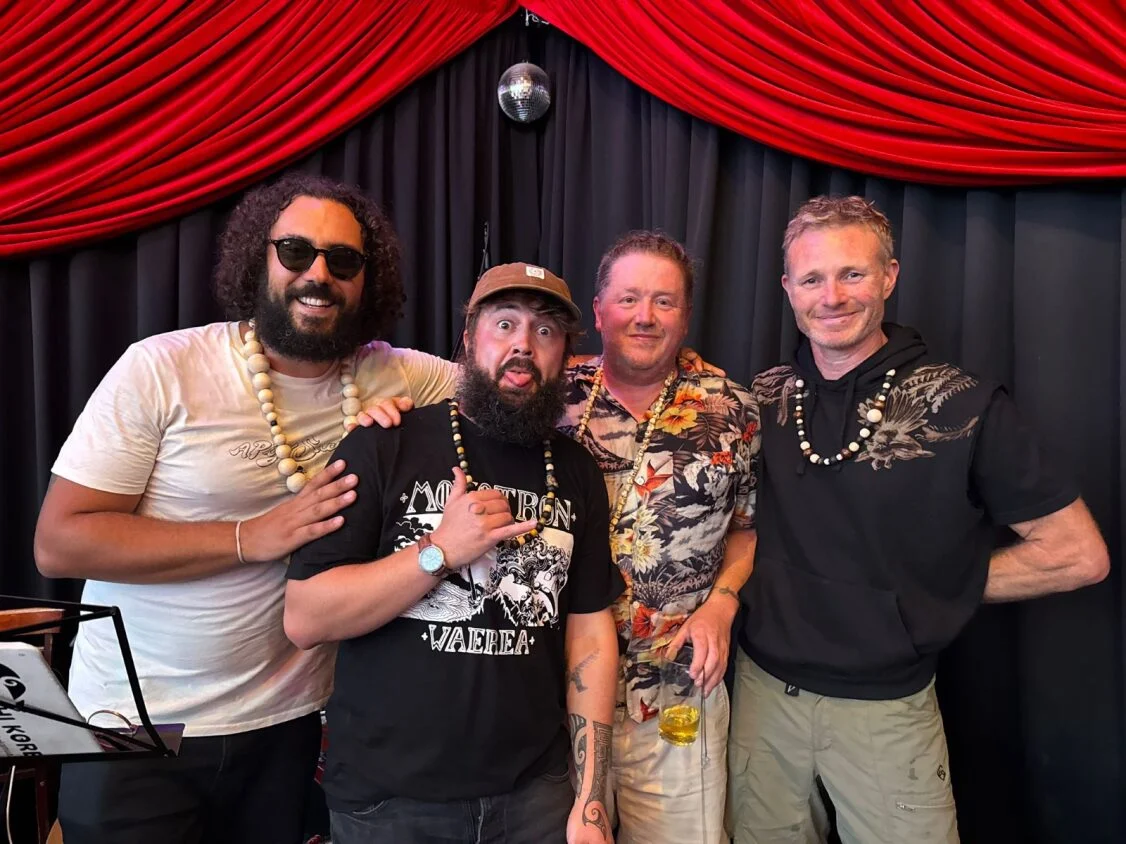
As part of New Zealand Music Month, Nelson Weekly is featuring local bands and musicians throughout May, showcasing the talent and stories behind the region’s thriving music scene. This week, Kate Russell speaks with Alvaro Moreno and Chris Mulholland from Suena Oro. Blending cultures through sound, the band is forging a distinctive place in the Top of the South by weaving te reo Māori and Spanish with contemporary rhythms.
Q: How did Suena Oro first come together?
A: Destiny put us together in the same workplace – Nelson Intermediate School about three years ago. We soon realised each other’s love for music and started to exchange ideas and songs. One common point was that we both write music for our children, in te reo Māori and in Spanish, and we began exploring from there. After many jams at Red16 we decided we could put our music out there and create a band, thinking that we had something unique to share, combining both languages, cultures and music, again in te reo Māori and Spanish. We quickly realised that we needed some reinforcements, which we found in our bass player Ari As and drummer Chris Hoolihan.
Q: How would you describe your sound?
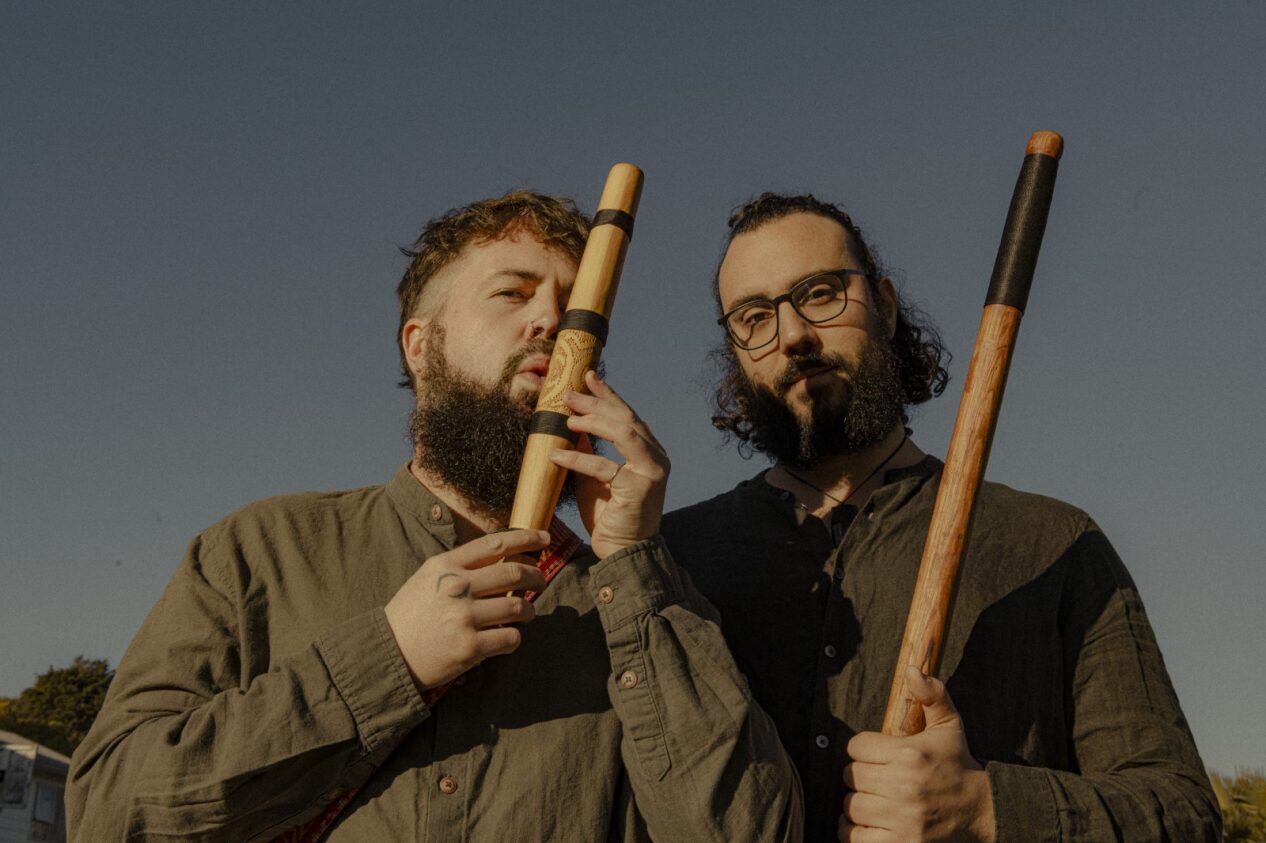
A: We have thought about this many times because, once you start playing music, the industry requires that you have a tag for your sound. This is tricky for us because our sound is fluid. We definitely look back at our own cultures to provide inspiration and guidance, but we like to re-conceptualise it and combine it with more modern sounds and aesthetics. For example, we are taonga pūoro learners and we acknowledge the beautiful body of knowledge that surrounds these instruments and those in whose footsteps we are following. Ko tēnei te mihi ki a rātou, ngā kaiwhakapara huarahi, ngā kaitiaki o ēnei taonga. But at the same time, we combine those sounds with synthesizers, electric guitars, drums and bass. To give an idea of what to expect, we like to draw on contemporary rhythms such as reggae, afrobeat, folk, rumba and cumbia.
Q: What does the name Suena Oro mean?
A: We wanted to have Spanish and te reo Māori in the name and it basically means ‘to sound’ in both languages.
Q: Why do you think music is such a powerful way to connect cultures?
A: Music is language that bridges cultures. Our music creates a space that invites people to feel connection. When you have something that you believe is good, you want to share it with the people around you. Perhaps this impulse is one of the ways that cultures are brought together.
Q: Where can listeners go to check out your music?
A: We have released our first EP, a reggae-inspired two-track entitled Te Marangai/Gente, Colores. People can listen to it on SoundCloud or, if they would like to support our mahi, they can buy a digital copy from Bandcamp under our band name Suena Oro.
Q: What’s next for the band? New music or more touring?
A: Both. We are preparing for our Top of the South winter tour from June to September, starting in Whakatū at the Wā! Club on Sunday, 20 June. We will also play The Dog’s Bone in July and Red16 in September. We will make it to Chanel Arts in Motueka, as well as dates in Wairau/Blenheim and Mohua/Golden Bay. We are also working on our second EP, which we can say is heavily inspired by the Kuti whānau’s music.
Q: What do you hope audiences feel when they leave one of your shows?
A: We feel a real connection with our audiences when we play, possibly drawn from the improvised journey we go on together; we hope audiences feel a part of that, too. We see our jobs as exploring our languages in new contexts, showing that te reo Maori, for example, is a deep, living language that has a place in any genre or any artform: korero Maori, i nga wa katoa.
