

Samantha Gee of RNZ
Nearly a year on from two devastating floods in Tasman, a group of residents is taking a hands-on approach to addressing flood risks, as more frequent storms cause damage to properties and threaten people's safety.
Dana Carter of the Motueka Catchment Collective said the group was formed six years ago by a number of farmers that wanted to look after the health of the region's rivers into the future.
She said through engagement with the community, the group consistently heard from residents that they wanted more education around flood risk management.
"We had two floods in June and July and one of them was a one-in-a-hundred-year flood... it was a huge flood, almost as big maybe as the 1877 flood and it was devastating for the community, it affected so many people's lives and destroyed homes and livelihoods.
"There's been a bit of work since then to try and just prepare moving forward so that people are more resilient to cope with these sorts of events."
The collective held an interactive workshop in Tapawera this week, with about 100 people from around the community turning up to share their experience, knowledge and suggestions for flood risk management.
The catchment spanned more than 2000 square kilometres and was home to about 20,000 residents.
Carter said the group was well placed to look at what was happening across the rural sector - in forestry, farming and urban settings - to work together to reduce flood impacts.
"Our experience and also what research is showing is that farmers and other rural landowners are doing a huge amount to improve their land. From fencing waterways, from fencing wetlands to restoring wetlands, planting, all sorts of actions that are really contributing to actually reducing flood risk as well as increasing biodiversity and enhancing freshwater health."
Carter said the group wanted the community to feel their voice was included and they had a part to play in reducing flood risk and responding to climate change impacts, which were only going to make floods more severe and more intense.
"We do want to hear what people think and what needs to be done, and then we will come up with some ideas on where to next in terms of how can MCC best support the community."
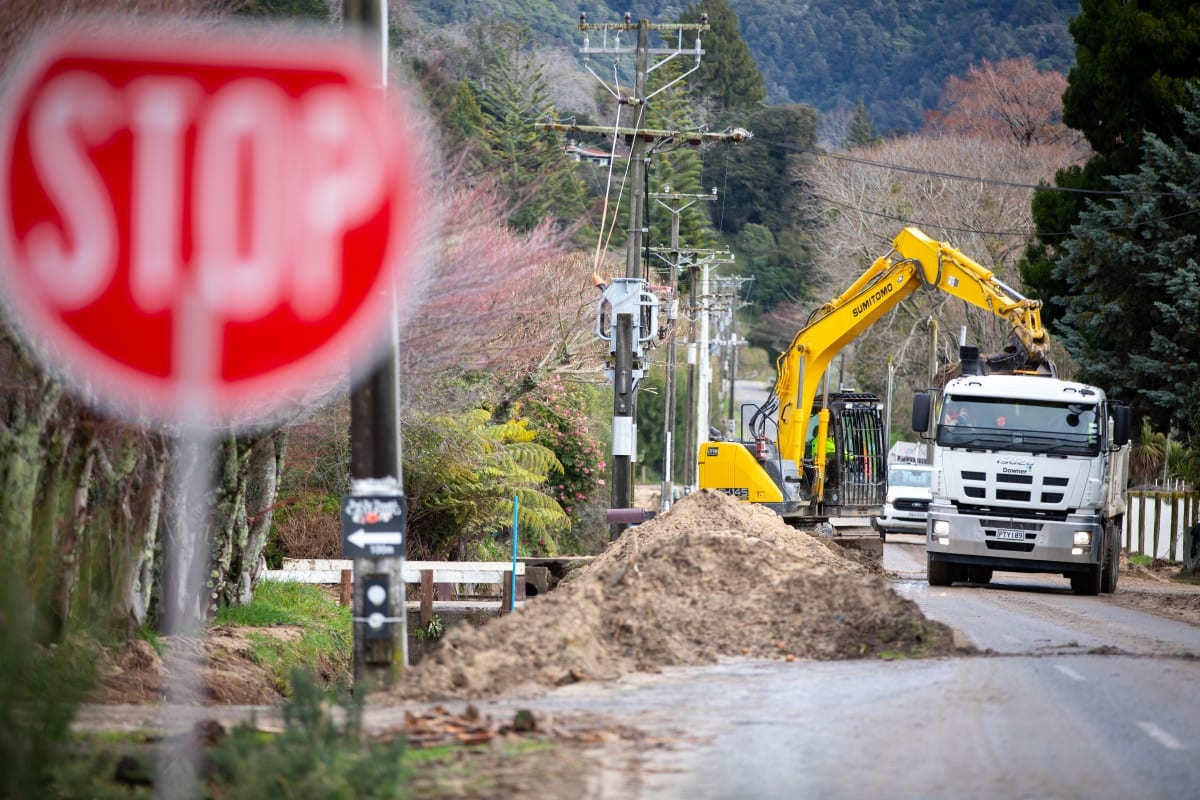
Effects still felt a year on
Tapawera resident Sarah Jacobs said she had daily reminders of last year's floods. She was evacuated with only the clothes on her back when her home was flooded and she spent four days without any of her belongings or medication.
Jacobs said she had come to understand she was dealing with post-traumatic stress disorder, which was evident whenever there was a rain warning in place.
"I'm lying there listening to the rain on the roof and I'm a very, very positive, stoic, strong woman but that goes out the window when you're listening to that rain on the roof and your wildest imagination, it just goes crazy and you start reliving all of it.
"It has affected me forever. It was life changing."
She said there had been support provided from different agencies, but the communication between them wasn't great, and it led to vital messages getting missed.
Since then, she had joined up with the local civil defence planning team in order to help with community preparedness, moving forward.
"We are still debriefing on last year's events, but also going forward how we can better prepare for the next one. So we've been doing a lot of fundraising for radios, for equipment. Right now we don't have a community centre so we don't have a hub where we could all meet. If there was an emergency, any kind of emergency right now, we'd be in a lot of trouble."
Della Webby, who worked for Tapawera Connect, said the recovery had taken a lot longer than expected and she was still supporting around 20 people affected by last year's floods.
"We still have a family who's not back in their home, people who are dealing with the final insurance claims, like getting carpets still installed and back into their homes for winter and then there's all the farmers and all the landowners, who are still dealing with their fences down, crops that have been washed away, which creates that ongoing stress each year when they're unable to provide for their livestock."
She said the workshop came at a really good time, as people had been able to process the last floods, and it was reassuring that there was work underway to ensure better preparedness ahead of the next event.
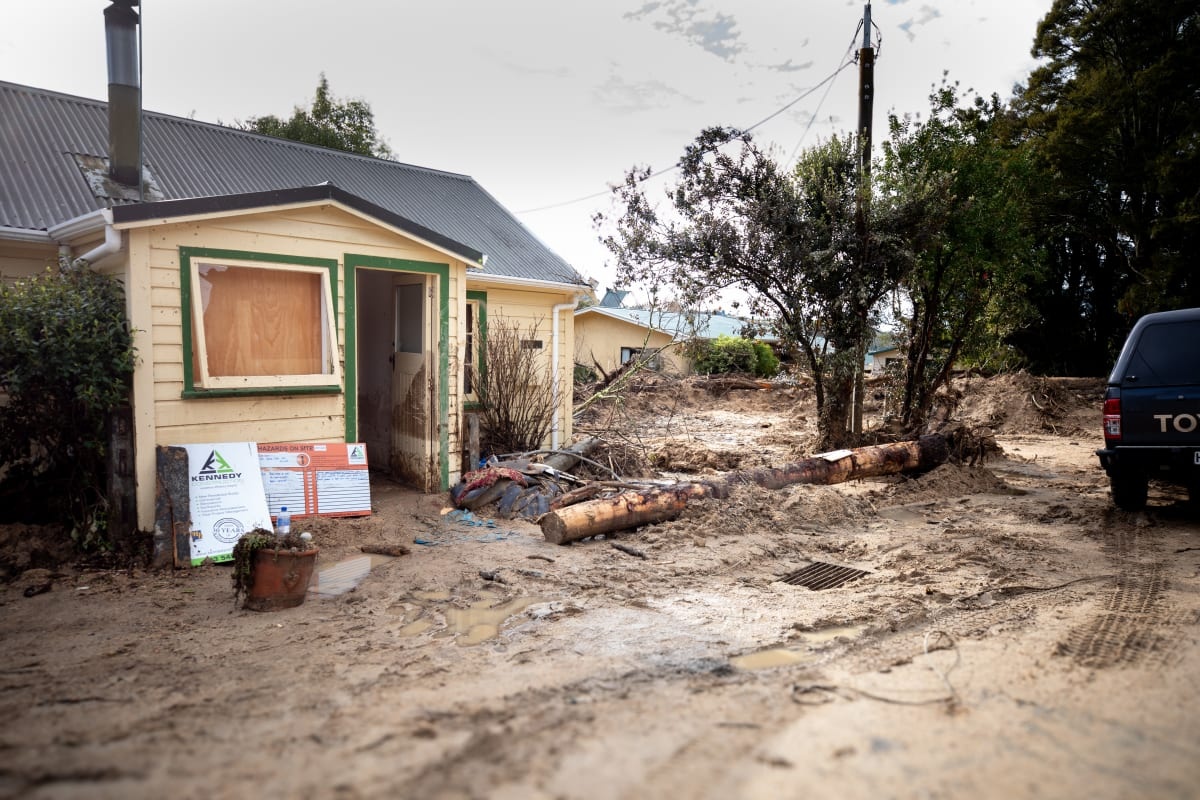
Flooding an increasingly common occurrence
Earth Sciences principal hazards scientist Emily Lane said records showed the Motueka River had flooded for the last 150 years and that would continue, with increasing frequency due to climate change.
"There was a big flood in 1877 and I was reading some of the descriptions of that and I thought, my goodness, this just sounds like Cyclone Gabrielle. They were talking about houses actually floating away, they were talking about houses being filled up with silt right up to the rafters.
"Then in 1929 there were about four floods in about the space of two months. In June and July, it was just every second week and that was very similar to what you saw last year because they had two very major floods in really short succession."
She'd spent the last five years working on a programme called Mā te Haumaru ō te Wai: Flood Resilience Aotearoa, to better understand the country's flood risk.
"There's a lot of research that shows if you actually know about the hazard beforehand and have thought about what would you do, have plans, maybe have done some things to make your house, your property more flood resilient, that's a real key starting point.
"At the community level, probably the important thing is actually working together. So if the community and the council have a good relationship, far easier to get things done, you're going to be far more effective."
Recent research from University of Waikato professor Holly Thorpe showed how people were becoming affected by "rain anxiety" during downpours, as increasing storms threatened people's property and safety.
"You've really got to actually recognise that because that is a very real stress and a very real outcome of flooding that often doesn't get counted because often when we count the impacts of flooding, we're thinking about numbers and dollars and physical objects," Lane said.
Tasman District Council environmental science manager Mirka Parker said there was so single fix for managing flood risk.
"Tasman is a very large area to look after. It's very complex. We're going to have more intense weather events, but we also have a very small rating base of people living here. So the solution can't be solely on council to fix. It is a community conversation."
Parker said it required tough conversations with people in the catchment about the mitigation work that could be done, and the areas where it was no longer feasible to do work because of the cost.
"It is going to have to be a compromise."
The repair bill after last year's floods is close to $50 million with around three-quarters covered by insurance payouts or government contributions, and $12m in costs to the council.
This story was first published on rnz.co.nz
