

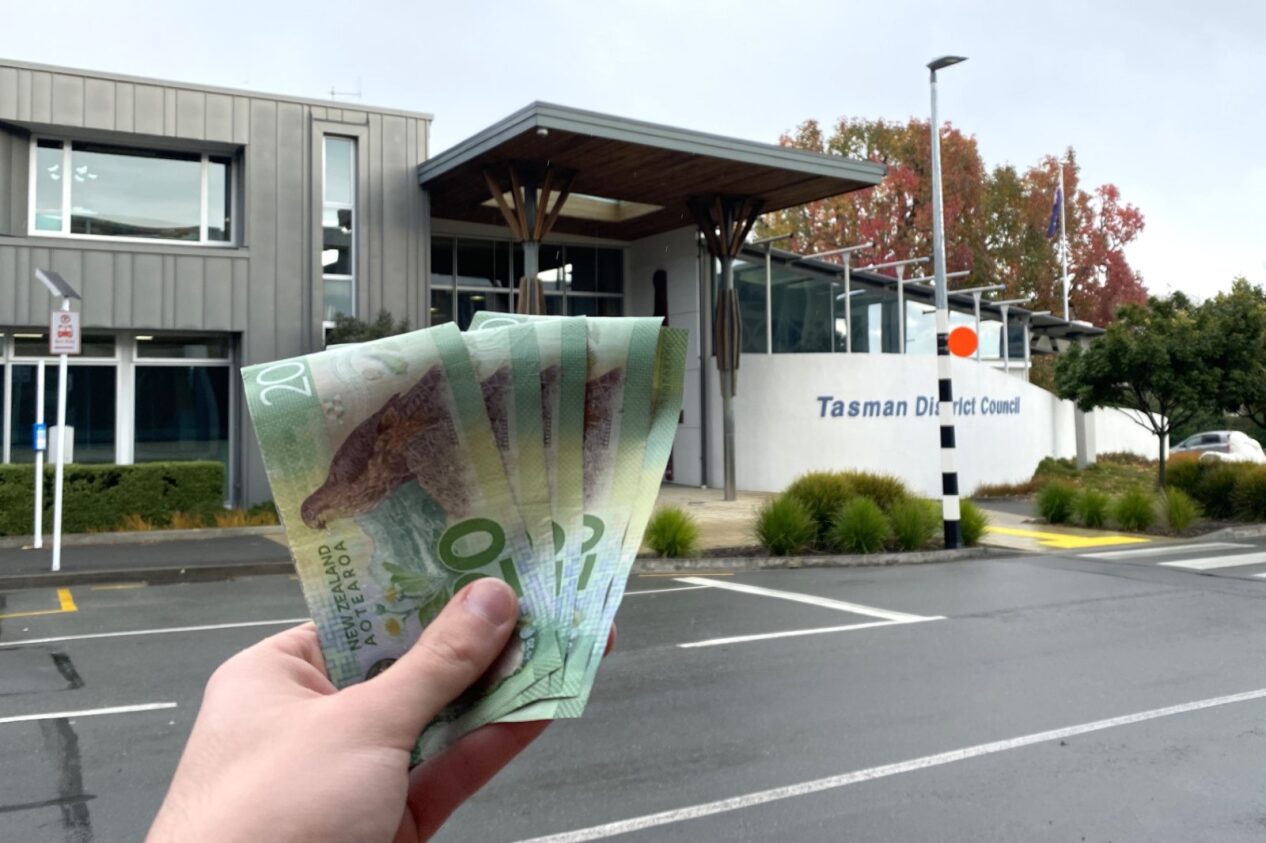
Instead of letting fuel costs push next year’s average rates increase up to 11.8 percent, Tasman District Council is poised to use debt to fund the difference to keep the increase to 9.9 percent.
There was an air of resignation around the council chamber on Thursday as the district’s elected members agreed to the figure.
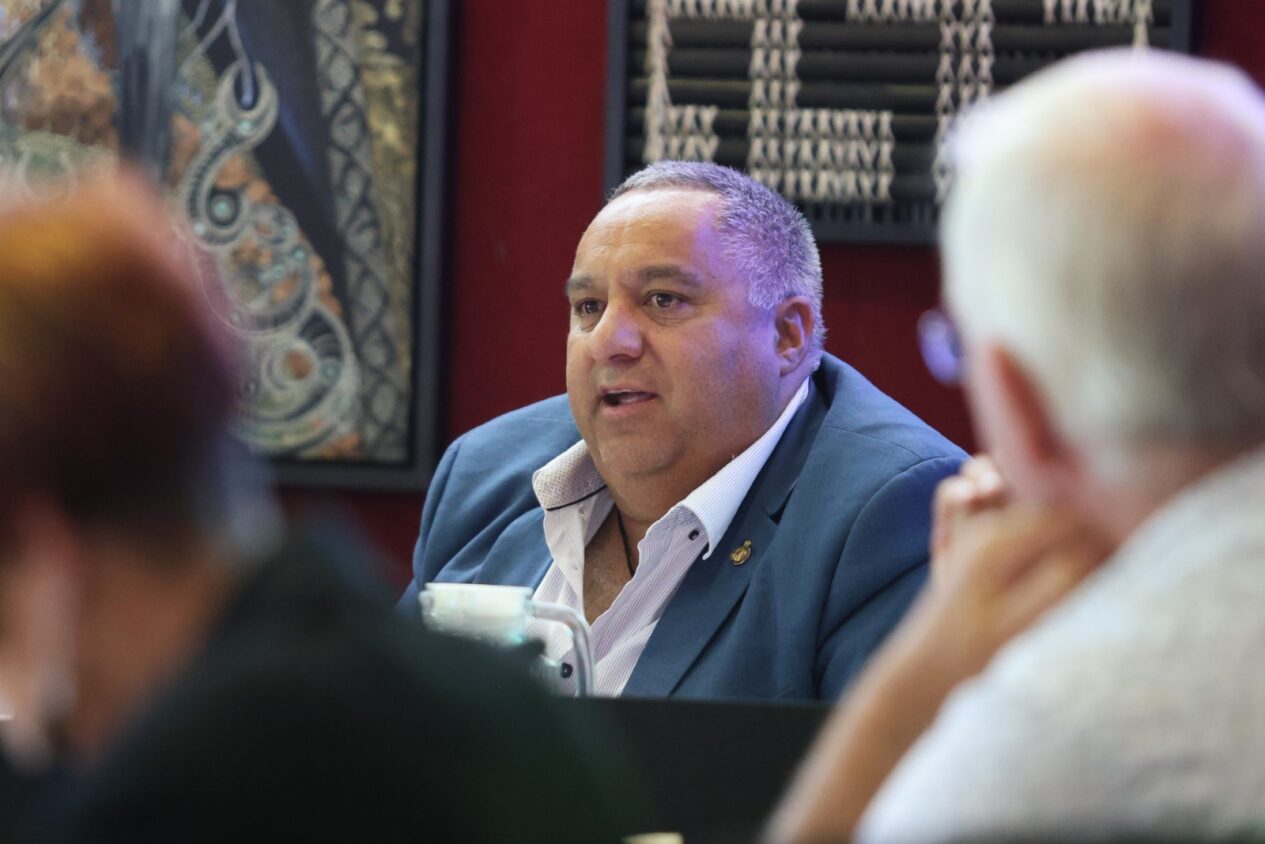
“Probably everyone’s going to be unhappy,” Mayor Tim King acknowledged.
“My personal view is [the increase] is a pragmatic approach to a very challenging problem.”
Councillor John Gully said money was “very, very tight” for some residents and that “every dollar makes a difference”.
Using debt to offset the rates increase would allow the community to communalise costs and ease the pressure on those who were “really battling”, he added.
The 9.9 figure reflects what the council consulted on, but which had also drawn significant opposition from residents.
The increase has previously been broken down into 2.3 percent for the recovery from last year’s winter flooding, 5.3 percent for Government-mandated changes to three waters services, and 2.3 percent to cover the rising costs of the rest of the council’s activities, though those portions could have changed slightly because of the council’s decisions.
But additional costs strained the 9.9 percent envelope preferred by elected members.
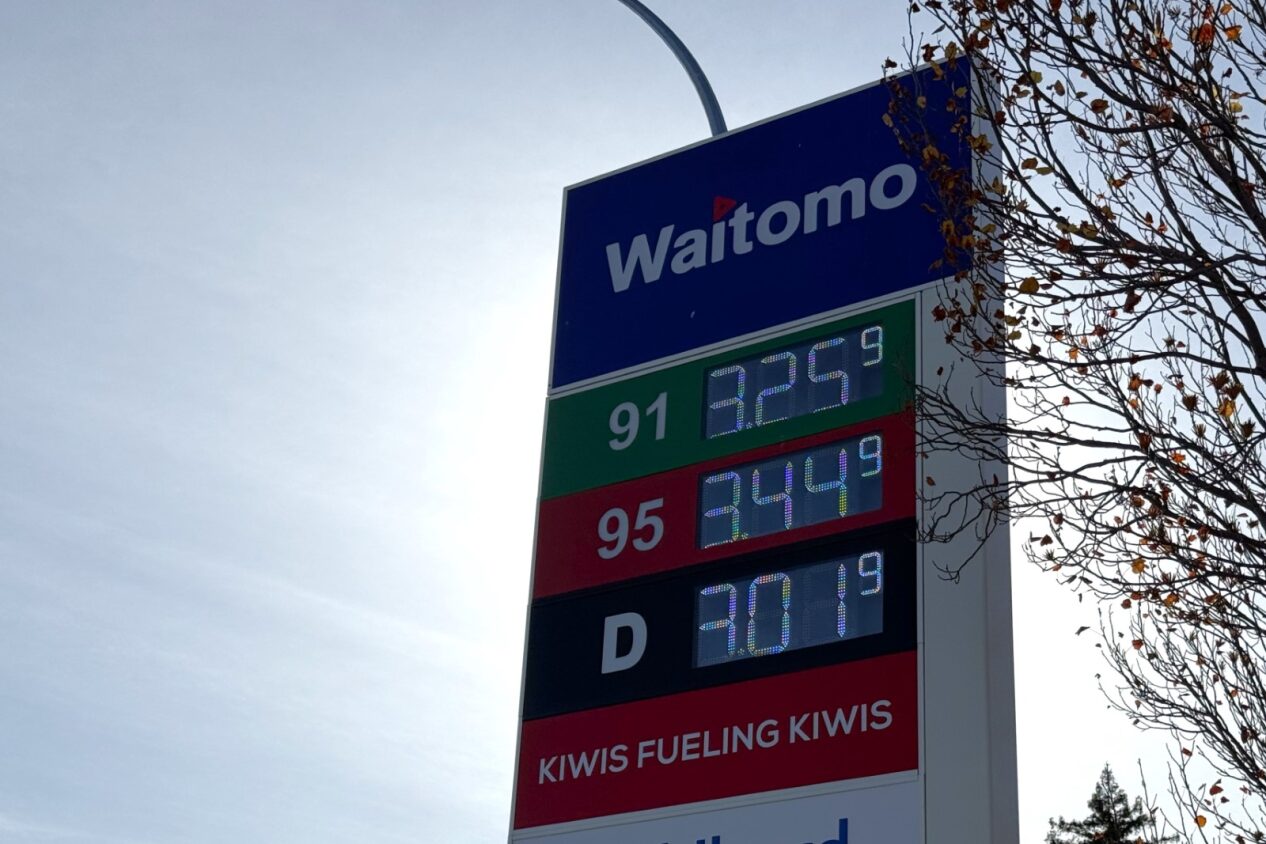
The council’s day-to-day operating budgets, which are rates-funded, are expected to cost an additional $1.8 million due to higher fuel costs.
Elected members also agreed not to slow down the council’s transition to fully cash-fund the renewal of roads, which would have eased the rates burden but added to debt.
But the combined changes would have seen average rates leap by 11.8 percent.
A suggestion to use a $1 million increase in net forestry revenue to shave 0.8 percent off the rates, at the cost of forestry revenue in the future, was not supported by the council.
Elected members subsequently agreed to maintain the rates increase at 9.9 percent, but also to use debt to offset the difference in what was described by deputy mayor Brent Maru as a “sugar hit”.
The plan was unpopular, with councillors Mark Greening, Paul Morgan, Timo Neubauer, and Dave Woods ultimately voting against the expected rates increase.
Morgan and Woods had concerns about affordability and wanted to see greater changes to the council’s levels of service, and Neubauer did not want to use debt to fund an unsustainable “lifestyle”.
Greening suggested cutting the rates increase back to just 3 percent to provide relief to ratepayers, with debt funding the difference, before making significant cuts during next year’s development of the council’s long-term plan for 2027–37.
But other elected members said the council was stuck between, in the words of councillor Mike Kininmonth, “a rock and a hard place”.
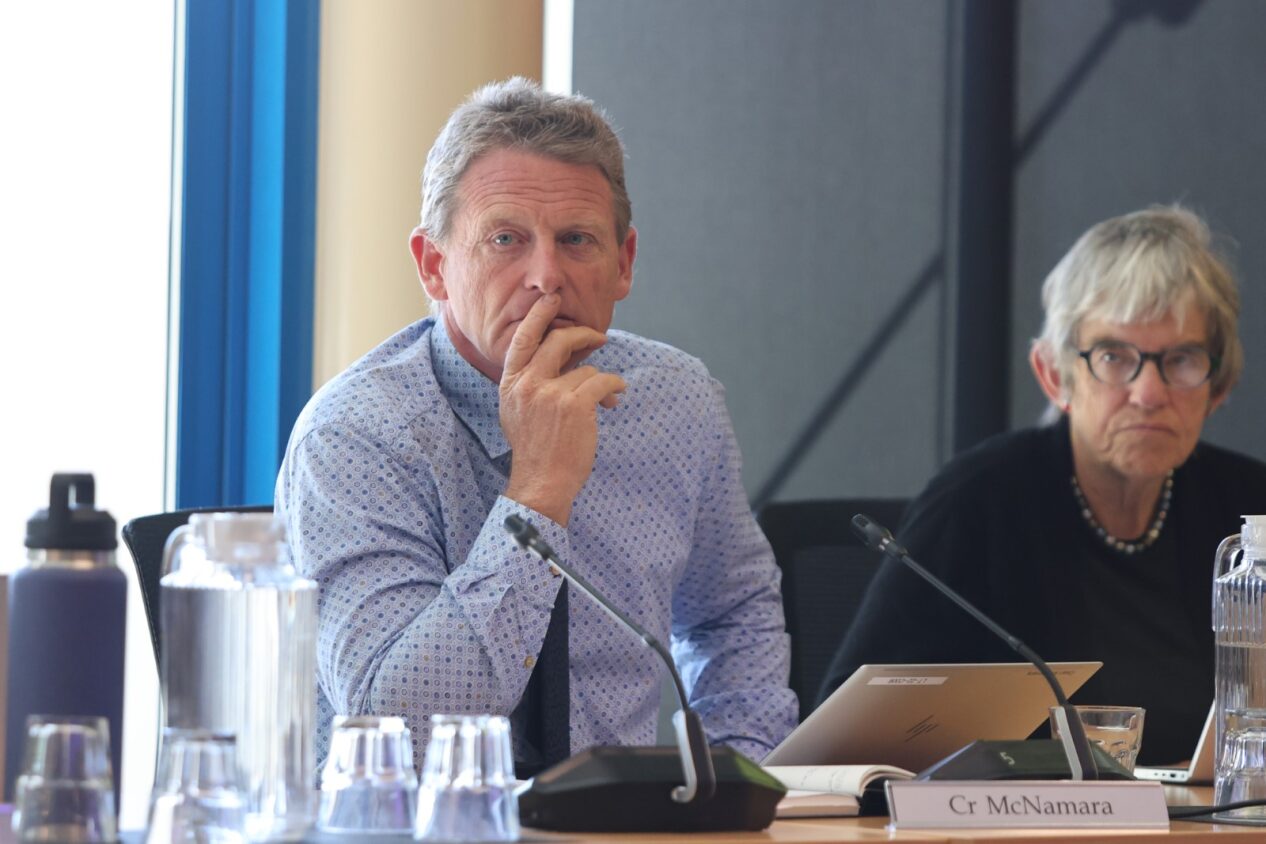
Councillor Dean McNamara said the arrangement was temporary ahead of making more substantial reductions through the flexible long-term plan process, something that has been sought by many councillors through the more-restricted annual plan process.
“This is a short-term measure… there’s going to be some discussion in the long-term plan about fixing these things.”
The projected rates increase will help fund the council’s planned activities that are outlined in its annual plan for the 2026–27 financial year.
A final version of the plan is expected to be adopted on 25 June for the new rates to go into effect on 1 July.
Community facilities paused
Caught up in Thursday’s deliberations were the planned new community facilities across the district.
Under the projected annual plan, only Brightwater’s public hall will be getting funding next financial year.
Plans for brand-new community hubs for Tapawera and Wakefield, and the Motueka Pool, have been put on pause pending the long-term plan discussions.
The council unanimously agreed to pause all three projects after they were provided with updated costings and information during a 40-minute confidential briefing session partway through the meeting.
Many elected members who were strong supporters of the facilities voiced their reluctance to do so.
But deputy mayor Brent Maru said the Motueka Pool needed an extra $3 million to connect services to the site and that warranted further exploration.
“It’s at that point, I guess, I have to take away my absolute support, my compassion for community facilities, and make that decision as one of governance, and one that I’m elected here to make that are uncomfortable at times.”
Councillor Kit Maling was “sad” to pause the Wakefield hub but said he could also “see risks behind it”.
Mayor Tim King emphasised that the pauses did not mean the projects had been scrapped.
“This is not a stop; there are a number of things we are going to have to work through,” he said.
“These will be conversations that will be ongoing between now and [July 2027], and hopefully provide more clarity.”
The Tapawera hub had already been proposed to pause prior to the confidential briefing.
The three projects have a negligible impact on the coming financial year’s rates increase but will mean lower debt for the council in the immediate future.