
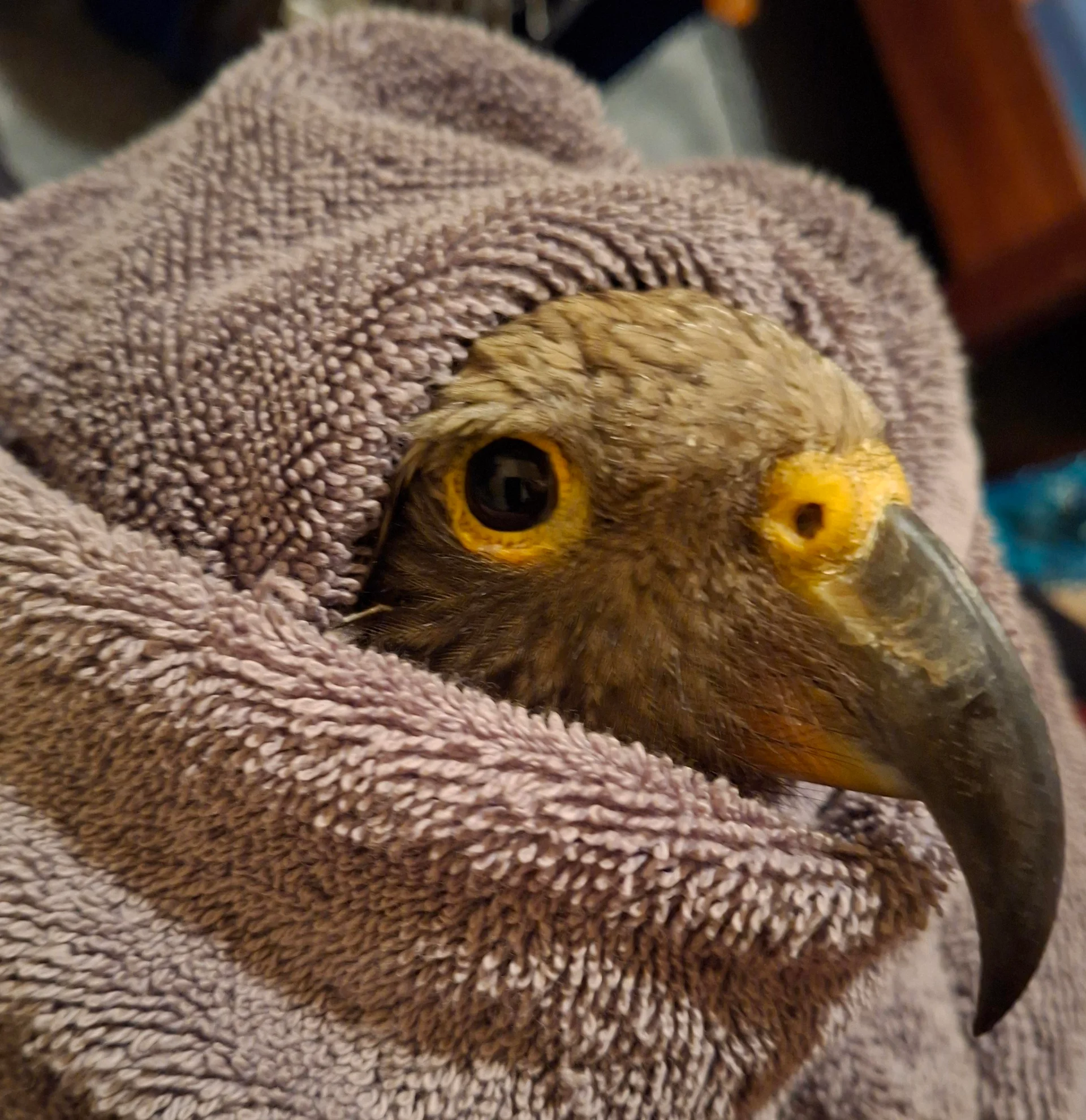
A juvenile kea has been euthanised after being shot in the wing in Golden Bay, prompting the Department of Conservation to call for information about the incident.
Kea are an endangered native parrot and one of the most intelligent birds in the world. They are a fully protected species found along the mountain ranges of the South Island, including coastal areas.
In Golden Bay, kea numbers are steadily increasing, and people are learning how to live alongside these inquisitive birds, Department of Conservation says.
DOC Tākaka biodiversity ranger Luke Easton says kea curiosity can sometimes bring them into conflict with people.
“Because kea are so curious, they can stick their beak into things you would rather they didn’t,” Luke says. “We don’t want to see conflict between kea and people like what has happened here.
Luke says DOC collected the injured kea from Motupipi, near Tākaka, after it was reported by a local on Monday, 25 May. The bird was one of two juveniles that had been hanging around together for the past month.
“It was in a really bad way – unable to fly at all, very stressed out, in a lot of pain and afraid,” he says.
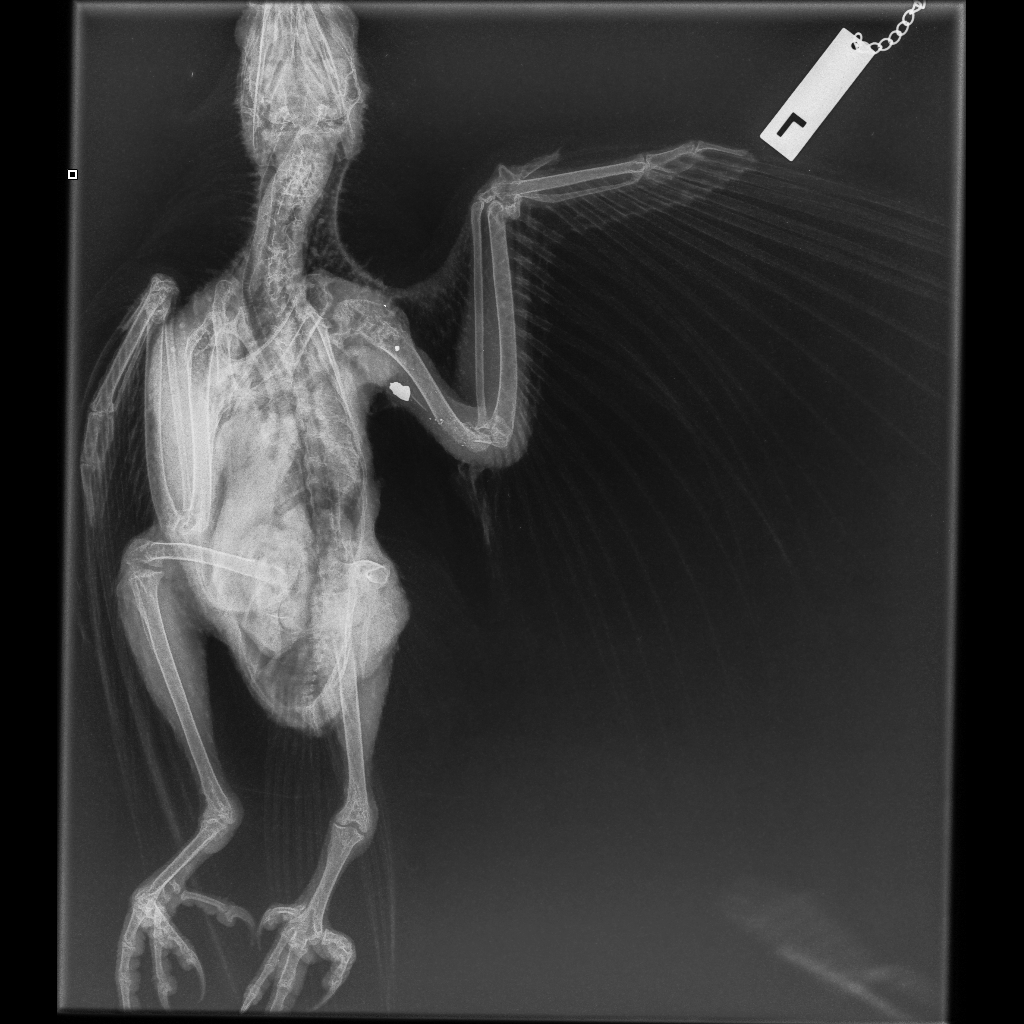
“Its left wing was drooping and there was an open gunshot wound which looked a few days old. We knew there was serious damage and broken bones. It was really upsetting to see.”
The kea was taken to a local veterinary clinic and given an x-ray, which showed the bullet was still lodged inside. It was then flown to Wellington on Golden Bay Air and transferred to Wildbase Hospital at Massey University.
Further veterinary assessments found the injuries were too severe for recovery, and the decision was made to euthanise the bird to stop its suffering.
“This is a tragic outcome and we want to know who has shot this bird,” Luke says.
“The big one is to make sure there’s no food available to them – this includes pet food or unsecured compost and rubbish bins. One taste of food can change their behaviour long-term – instead of foraging in the wild like they should be, they may start hanging around people and scrounging for food.”
Luke says people can reduce problems by making properties less appealing to kea and removing any lead items, such as roofing nails, which kea like the taste of but can be poisoned by.
“It’s important to secure loose items like shoes, bikes, toys and tools which kea may want to play with, especially during their most active times like dawn and dusk,” he says.
“We’re lucky to see these charismatic birds popping up in coastal Golden Bay, and as their numbers rise, we’ll see them in backyards more often, so we need to learn to live alongside them.
“If you’re having trouble with kea at your property, get in touch with the Kea Conservation Trust or the local DOC office for some simple solutions to common problems we see around kea interactions.”
Anyone with information about the injured bird is encouraged to contact 0800 DOC HOT (0800 362 468) and quote CLE-11977.
It is not the first time kea have been shot in Golden Bay. The most recent incident involved a juvenile found with a shattered leg bone in February 2025, which required a lengthy recovery.
New Zealand has strong conservation laws to protect native wildlife, and deliberate harm to protected species is illegal.
“Most people enjoy and experience our beautiful taonga by doing the right thing, and we really appreciate that,” Luke says.
“Unfortunately, when a few people don’t follow the rules, it threatens our special places and our threatened species. People found breaking the law will face enforcement action.”
