
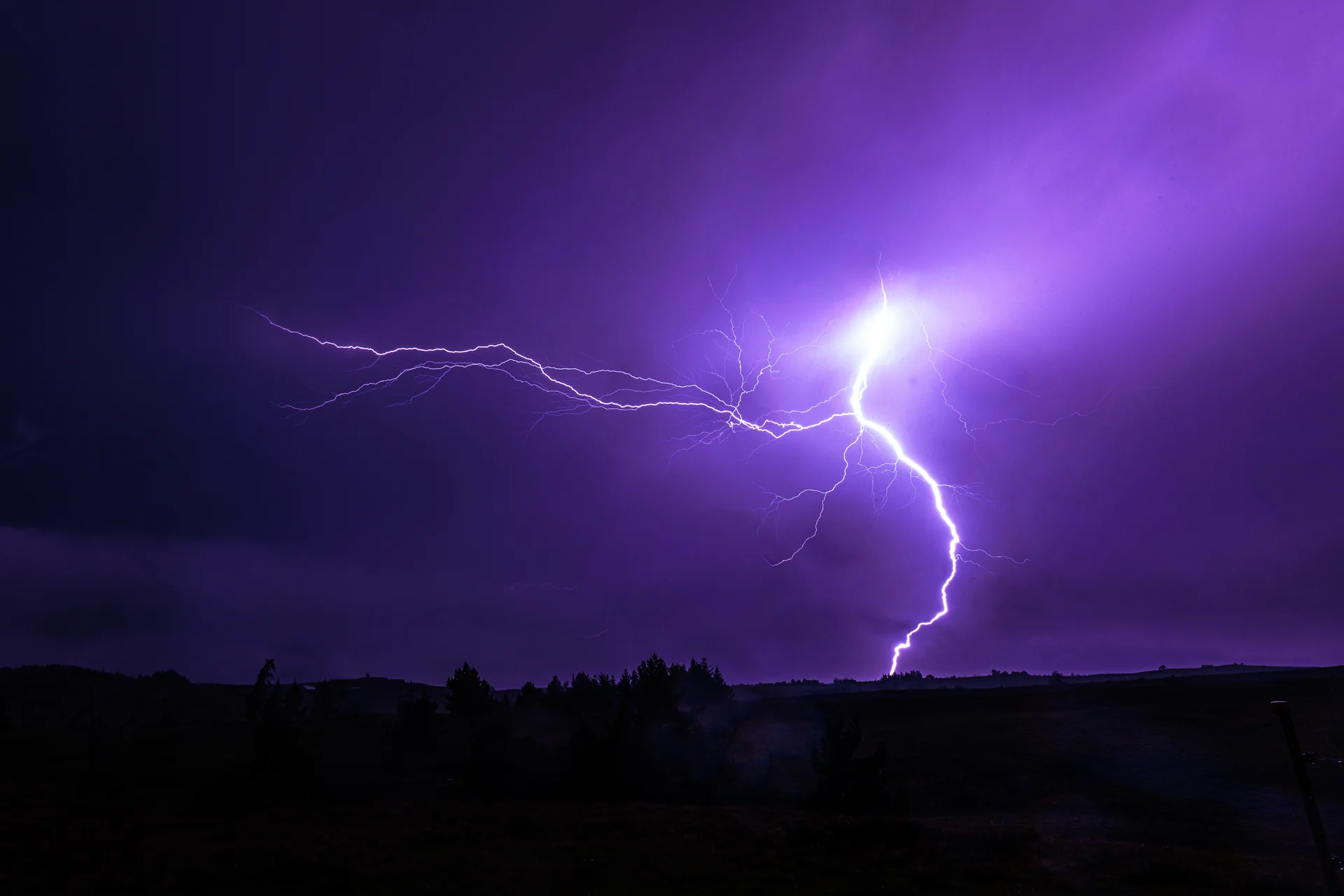
More than 1000 lightning strikes lit up skies across Nelson and Tasman on Thursday night, as a warm and unstable weather system moved across the top of the South Island.
MetService meteorologist Samkelo Magwala says 1,153 lightning strikes were recorded locally, while the South Island saw a total of 6,865.
The thunderstorms came during an unusually warm start to June, with some weather stations recording their highest June minimum temperatures on record.
Nelson hit a minimum temperature of 15.4°C on 2 June, breaking the previous June record of 14.3°C set on 7 June, 1971.
Samkelo says warmer-than-average sea surface temperatures helped fuel the stormy conditions.
“Sea surface temperatures are still warm. Combined with warm northerly winds, cold temperatures in the upper-level atmosphere, and other meteorological factors, these conditions triggered the thunderstorms.”
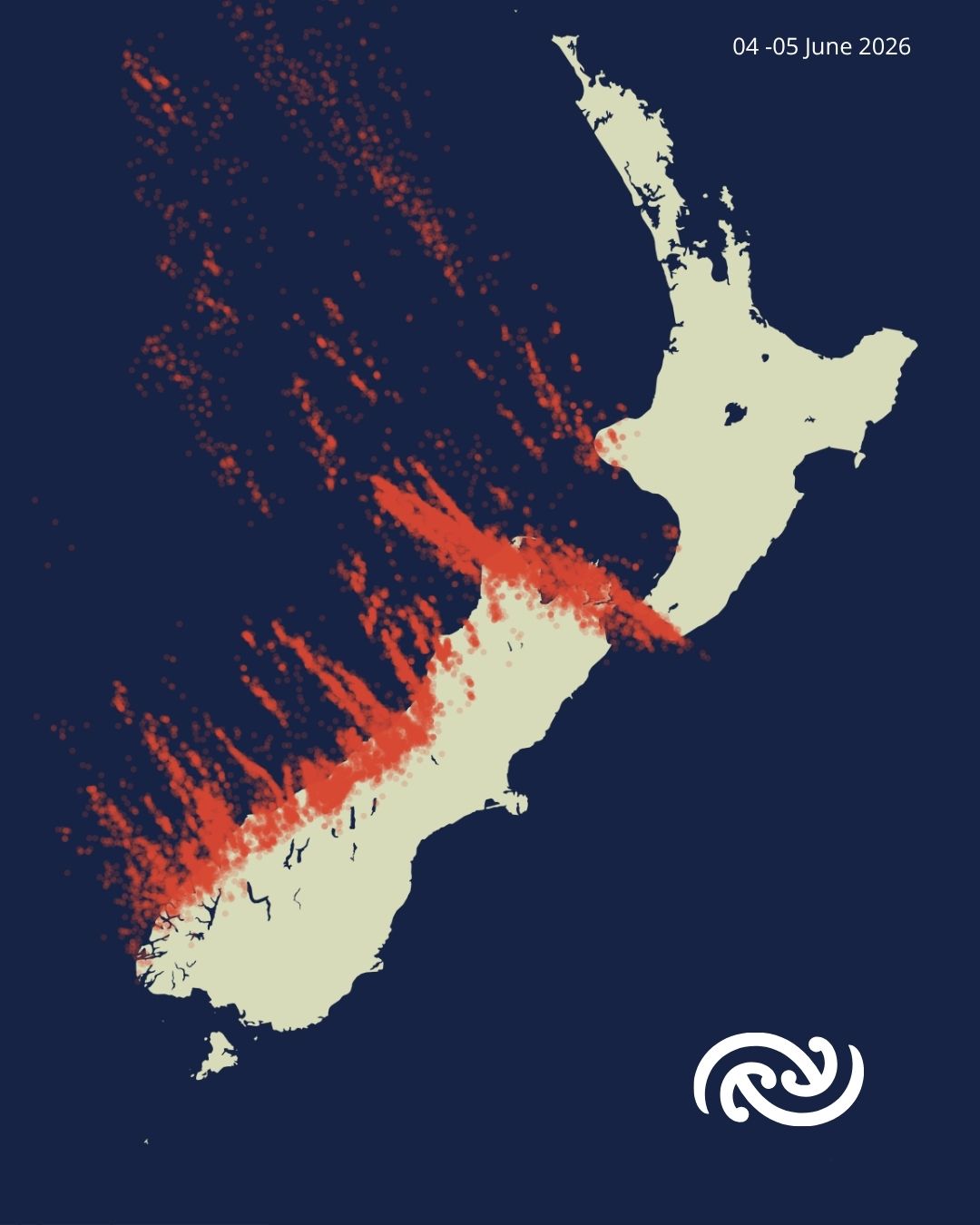
The storms also caused power outages across the region.
Network Tasman operations manager Robert Derks says lightning struck the company’s 66,000-volt transmission lines crossing Tākaka Hill on Thursday night.
The outage began at 8.40pm and affected about 11,500 customers in the Motueka and Golden Bay areas, before power was restored about 9.30pm.
Robert says there were also several smaller lightning-related outages during the night and early morning affecting individual customers.
Local photographer Leroy Bull spent about three hours outside capturing the storm in Lower Moutere.
“It was probably the most intense and continuous thunderstorm I have seen and been in,” he says.
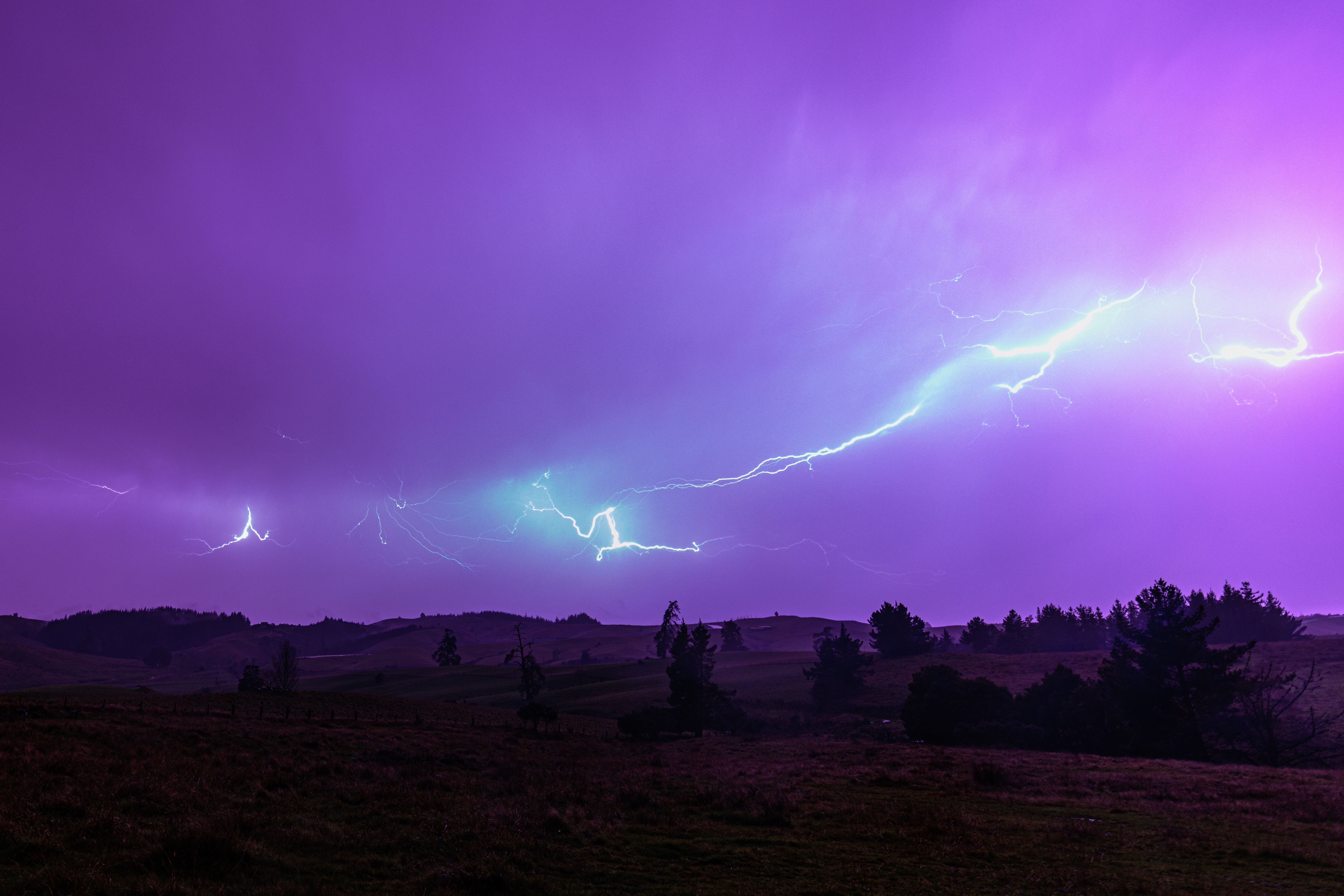
“One of the biggest lightning strikes I saw was four to five individual strikes come down to touch the ground. One of them turned from blue lightning to a fiery red and massive sparks, as if the lightning strike itself exploded. Never seen anything like it.”
MetService meteorologist Lewis Ferris says more unsettled weather could follow on Friday afternoon with more rain and possible thunderstorms.
“Heading into Saturday, there could still be some showers around, but the wind will turn more south-west, leading to drier conditions.”
