
Vulnerable older people in the Top of the South are being scammed out of thousands of dollars, and in worst-case scenarios, hundreds of thousands.
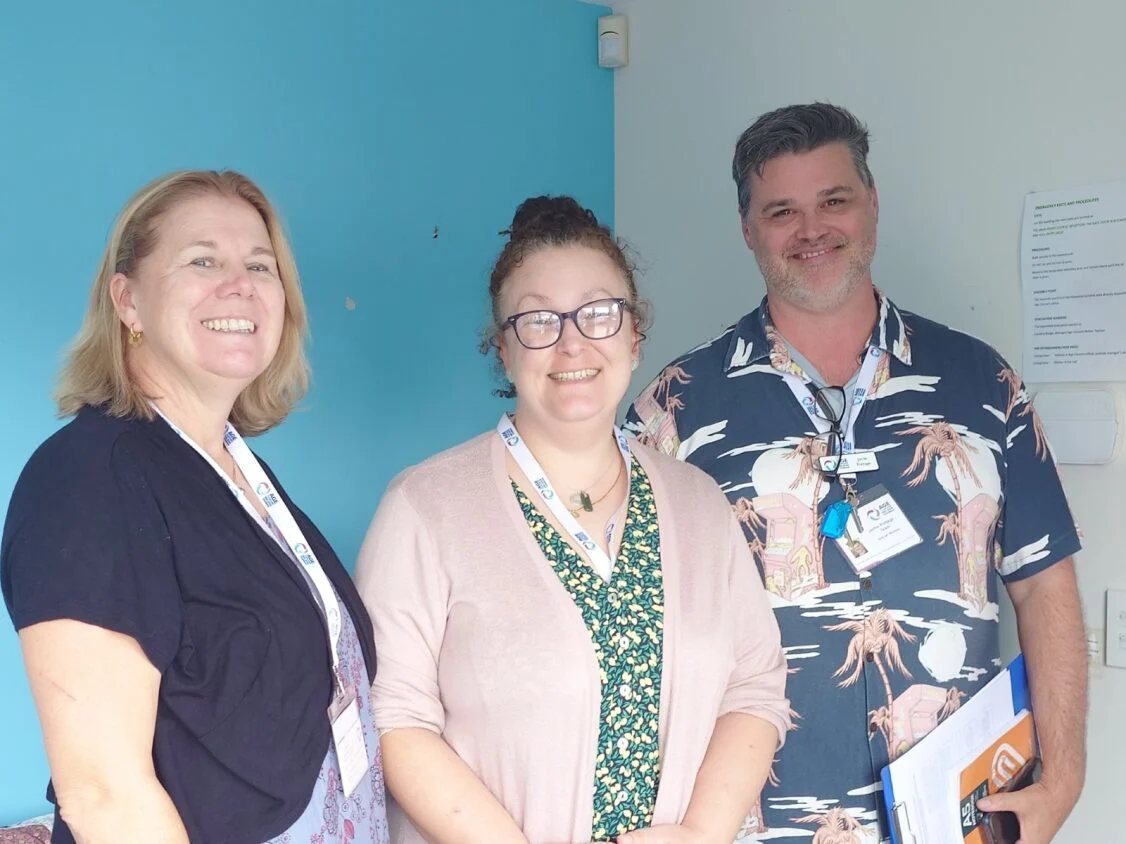
Cat Baker, an elder abuse advisor for Age Concern Nelson Tasman, says there are cases where local elderly residents are unable to buy food because they have given their money to scammers who have convinced them they are in a genuine friendship or romantic relationship.
Next week is Elder Abuse Awareness Week, which Cat says is a timely reminder of the need to protect older people from all forms of abuse, including the emotional and psychological abuse caused by scams.
“Scamming is just abysmal at the moment. We’re getting weekly referrals from the police, and social workers at the hospital. It’s not just the number of referrals, but the amount of money. Some of these older people are losing thousands of dollars. It’s awful, and it’s the romance scams.
“They’re preying on these vulnerable older people who are really lonely. They build up a relationship – they’re kind of doing the grooming thing. Most of the ones we have been dealing with get to the point they are actually buying Visa or Apple gift cards and are sending the numbers to the scammer.
“In worst-case scenarios, we have people going without food so they can send scammers money. We’re really seeing all extremes.”
Many scams begin through messaging apps such as WhatsApp and Telegram, but they can also start with a Facebook message, friend request, email or text.
Cat says scams impersonating celebrities such as Shania Twain and Johnny Depp have recently been doing the rounds, preying on older people. Victims receive a message from someone claiming to be the celebrity or their manager. The scammer builds a relationship over weeks or months and eventually they ask for money, gift cards or payment to cover costs.
Often, she says, the scam is uncovered when family members take the victim to the doctor after they have been going without adequate food or necessities. Sometimes, it is the banks that raise questions.
“An older person will go to the bank and try and take out large amounts of money - the banks are amazing – they will ring us or go to the police if they are concerned, or another family member.”
Cat says many victims feel embarrassed or ashamed once they realise they have been scammed, making them reluctant to seek help. She is part of a response team that receives referrals from banks, police and other agencies.
“The team takes a gentle, non-judgemental approach, helping people understand they are victims of crime and supporting them to regain confidence and safety.”
She says scamming is only one aspect of elder abuse being highlighted next week. The most common forms seen locally are financial and psychological abuse, which Cat says is sadly often caused by family members.
Anyone who needs help or suspects elderly abuse can contact the agency at 0800 652105.
