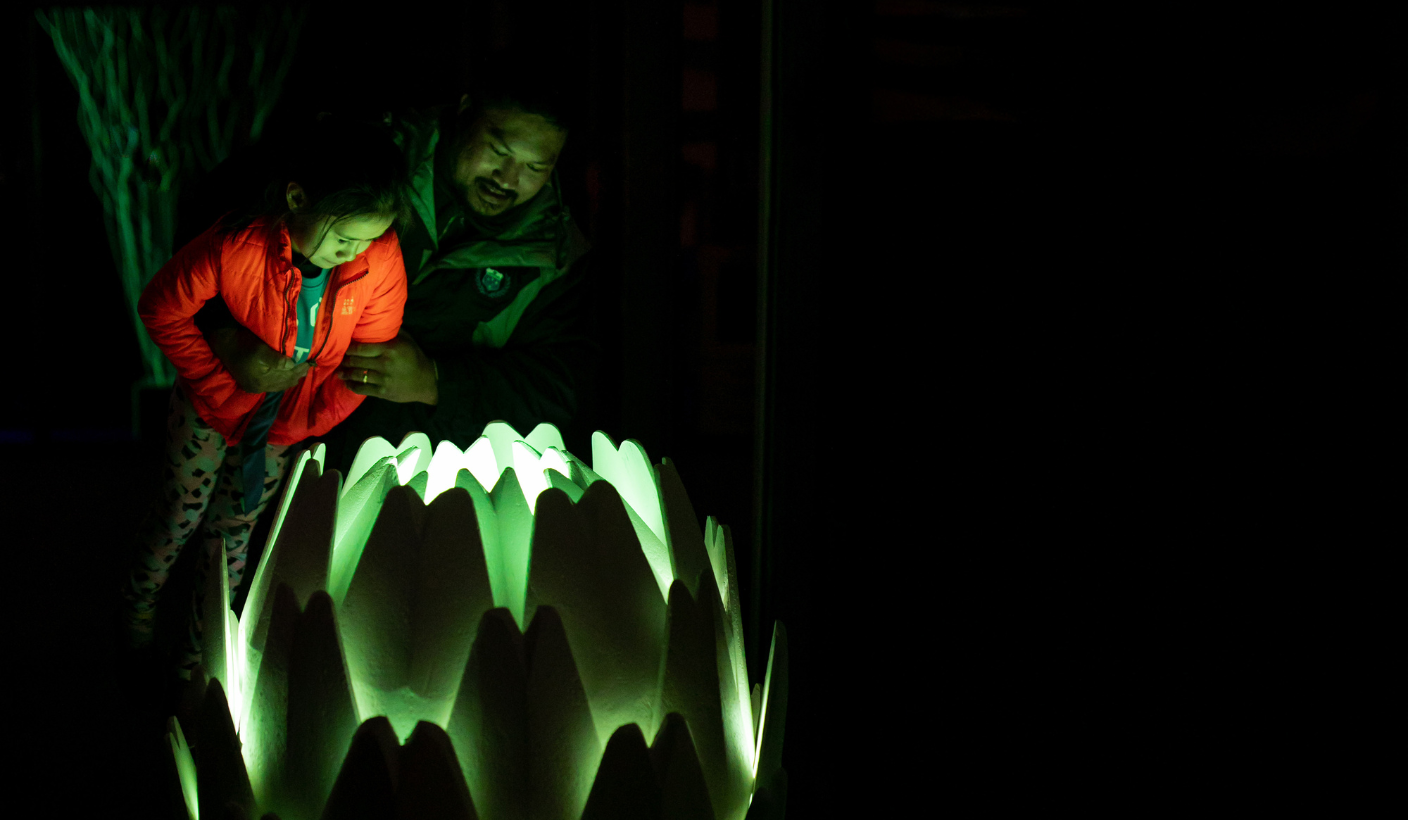
As Bayleys Te Ramaroa – Nelson Light Festival prepares to illuminate the city this winter, writer Alistair Hughes talks to NMIT tutors and students whose imaginative light-based installations will form part of this year’s vibrant community celebration.
Gatherings and festivals bring comfort when the world around us starts to feel like a less benign place. While we recently basked in late autumn sun, there is now a distinct chill in the air as seasonal warmth and light is now generously lavished on the opposite side of the planet. But as with northern hemisphere traditions stretching back into prehistory – when the longest, coldest nights became a time of celebration, feasting and companionship – our nation continues to embrace midwinter. Māori always have, with Matariki - the observance of Aotearoa’s New Year, which is marked by the pre-dawn rising of the beautiful star cluster bearing the same name.
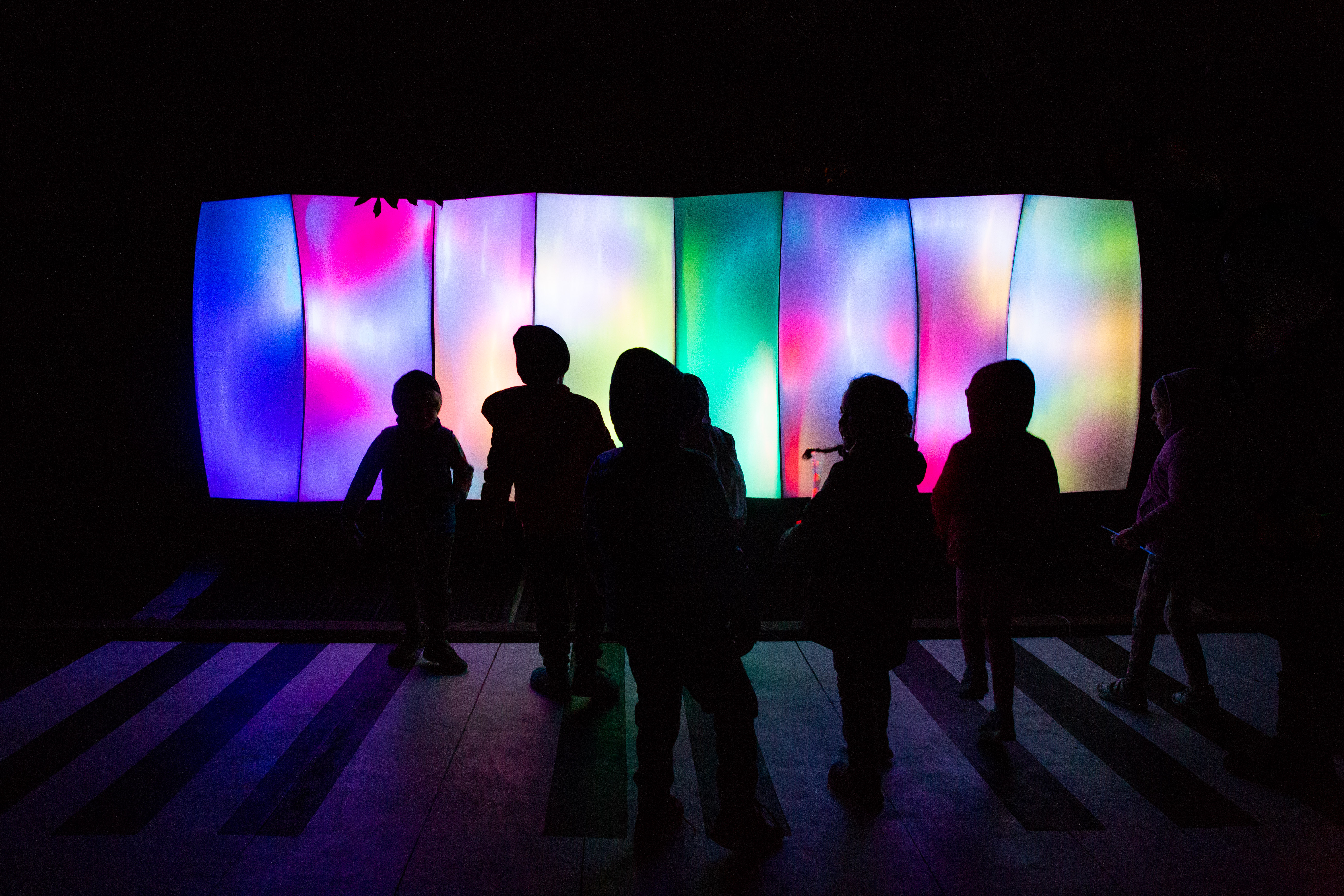
Occuring at the beginning of July this year, Matariki is joined by our region’s own midwinter celebration. Te Ramaroa – Nelson Light Festival returns to glow ever brightly in the dark, showcasing local and nationally created immersive installations, projection pieces and light art structures in this hugely popular free community event. Once again, central Nelson will be illuminated with visual arts ingenuity.
This year, festival director Michaela Blackman extended an invitation to local community groups and education centres, to help “dress the town”. So Nelson Marlborough Institute of Technology (NMIT) design and arts students are shining their own creativity on Te Ramaroa, thanks to the vision of tutors Stefan Hanspach and Klaasz Breukel. Designing an open brief around the theme of ‘light’, their students were required to interpret, research, and develop an art/design project installation for display as part of Te Ramaroa. Over the semester, they were encouraged to use light, shadow and reflection, utilising sustainable materials and practical construction techniques for the ultimate purpose of public exhibition during the event.
“As a tutor here at NMIT, I think it's a fantastic opportunity for the students to be part of this festival, and it's amazing that we were able to embed this into the curriculum,” says Klaasz. “I don't think that there are a lot of other polytechs that have this opportunity, so I see this as a ‘real life’exercise where students can basically create work that they want, based on the light theme, and also expose their work to a large audience.”
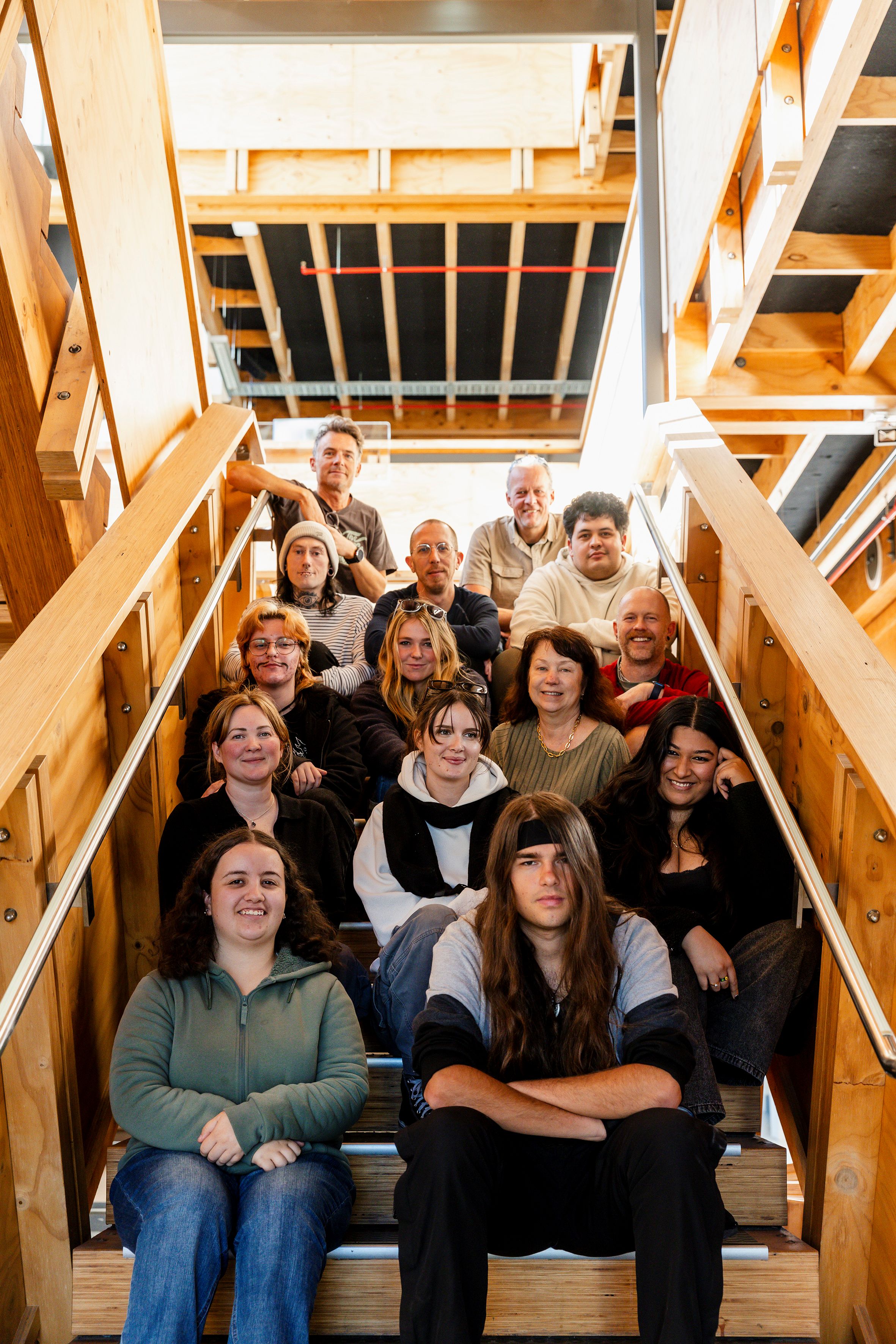
Klaasz, who was one of the original founders of the festival and a trustee for many years, feels this also allows the students a chance to take small steps into the professional world, build networks, meet new artists, and experience other inspiring work.
Stefan has taught Arts and Media at NMIT since 2016 and feels that although academic success is the ultimate goal, he really wanted to see the students enjoy themselves being part of Te Ramaroa, and showcasing their work. “The difference to a lot of other courses is that the students are not working primarily on painting or drawing or making an object using some very specific technique. We left it open to the students to explore what they wanted to do with within the project brief, and explore any subject areas that they wanted to implement, linking back to the ideas of the Te Ramaroa Light Festival.”
Cheyenne Phyn is a second year Bachelor of Art and Media (BAM) student who explored the brief through her work ‘RGB’. “I'm creating artworks that are in a C/Y/M, (cyan, yellow, and magenta) colour palette, and when you put on lights, which are R/G/B, (red, green, blue), it allows them to block out different colours and change the imagery within.”
This is highly sophisticated colour theory which Cheyenne is thankful is now well understood, as pioneering the concept would have been far more difficult to do. “And so now this is an opportunity to recreate it in my own style and do what I'd like with it,” she says.
Fellow student Kent Chamberlain’s work is titled ‘Sunrise’, and he says he really enjoyed working on the project. “We’re all doing something quite different, and mine is a sunrise idea where the light illuminates objects with shadows cast behind them. It's quite a minimalist style, I guess. Each of us works towards our own personal aesthetic.”
He says a lot of brainstorming was involved before personal taste decided the concept he chose.
“I had the idea of a beacon, and to me, sunrise was that beacon in the darkness of the middle of the year.”
Desiree Lina is also a student in the BAM course, from Michigan in the United States. Her work ‘Jul i Juni’ is named after the festive concept of a ‘mid-winter Christmas’, entirely appropriate for the country she is currently studying in. “My installation is based on winter traditions, and whatever people do to celebrate the winter seasons – like warm lights and hot chocolate!”
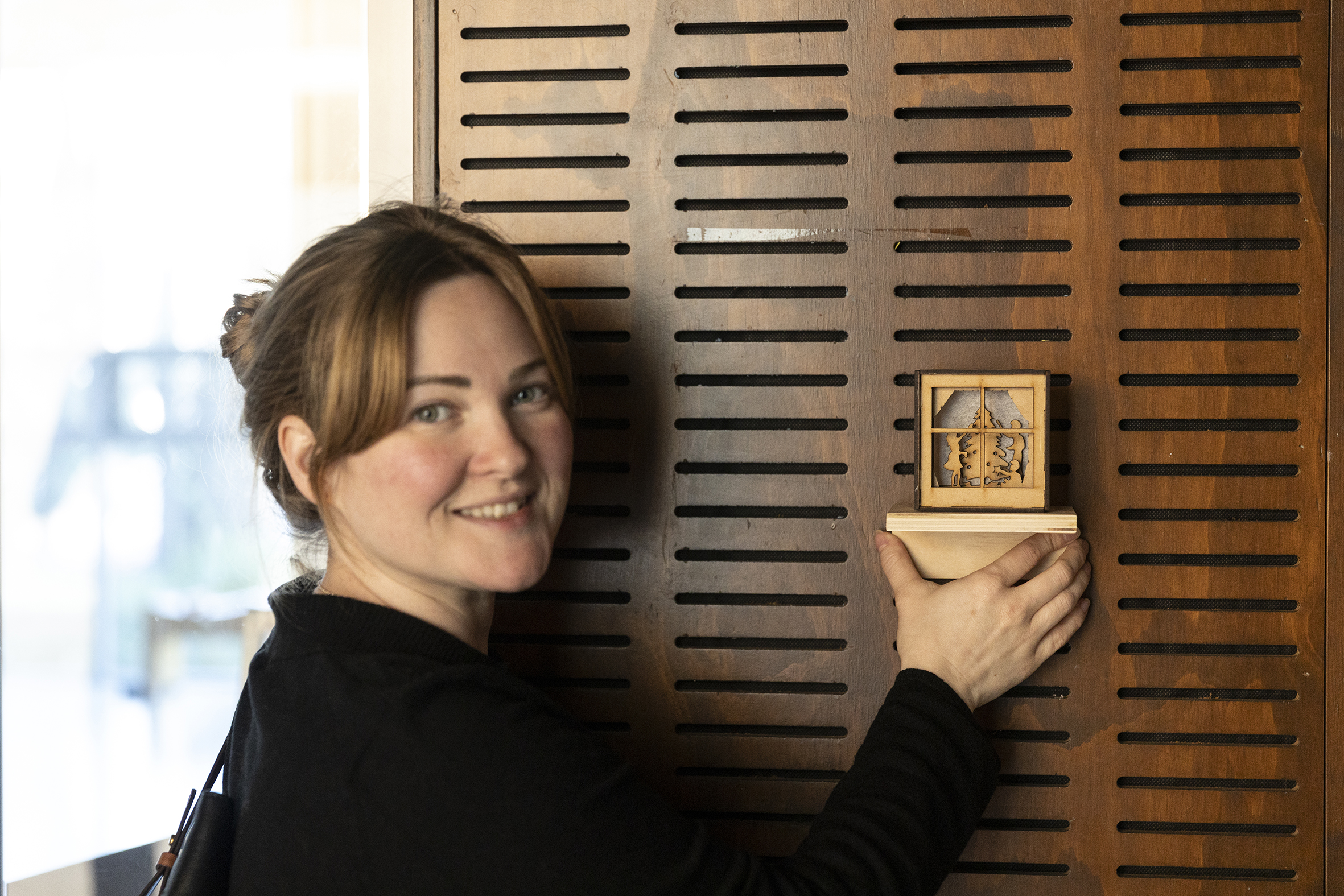
Working at a tiny scale while also embracing the beacon concept, Desiree felt her approach had to be a personal one. “There are light boxes representing looking into windows, inside of people's homes, telling the story of what that winter tradition looks like to everyone around the world. So I’m kind of bridging my northern and southern hemisphere life, I guess.”
Level six student Ashleigh Liddington’s work is titled ‘True Blue’, staging a scene using props, backdrops and different objects.“I've been using a lot of thrifted second-hand materials, as well as natural things like wood and sticks, and also actually integrating some painting into it as well. So it's really mixed media.”
Ashleigh says that sourcing and curating materials has not been challenging, but generating a single concept has been.“I have a lot of ideas where I want to branch out and try new things, but I had to channel it and produce one work. Everyone’s got so many different ideas and perspectives on the project.”
Ashleigh enjoys the spirit of creativity which Stefan’s Studio Project brief has generated. “It is really inspiring to go around and see what research and what idea generation and development other students have done, it's quite motivational, actually.”
As for her tutors, they are excited about what the response to the finished works will be. Klaasz has enjoyed seeing the students go on a creative journey and interpret the brief in their own personal way. “I must say, everyone had really clear ideas of what they wanted to do. It's now just a matter of experimenting and bringing it to life.”
He feels that this has been more than just another creative assignment. “Light festivals are quite a big thing these days, and hopefully we’ll go to others in the future. This is an opportunity for the students to explore the life of a light artist.”
Stefan agrees. “For a small region like Nelson and the Top of the South, this is an important festival for the creative scene. Even though it’s targeted towards light art, it's about the idea of looking into the past and the present and the future. What can we do with that? How can we create artwork around a broader topic? And I think it's important for the Nelson community.”
Bayleys Te Ramaroa – Nelson Light Festival is taking place 3-7 July from 4:30-9:30 nightly in Central Nelson. The students’ work will be on display in the atrium of G Block - the Arts and Media building of Nelson Marlborough Institute of Technology.
