
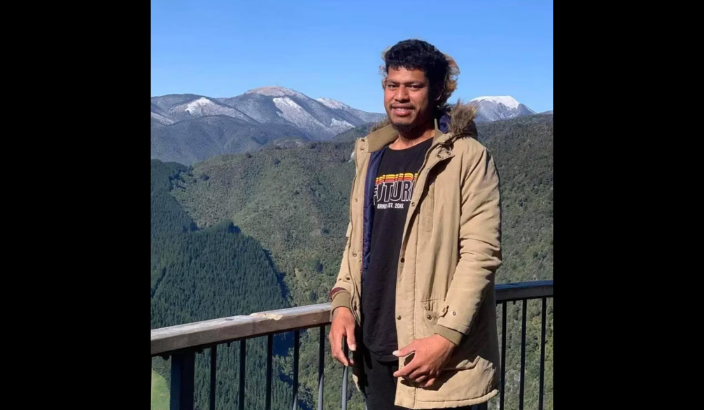
A Samoan seasonal worker died in a house fire days before he was due in court to face serious charges.
Hours before the fire in an accommodation block on a Motueka orchard, Talavini Saunoa Alatina had been on a video call to his wife, in Samoa, talking happily about the car he had just bought.
It was something he had long wanted to achieve, Coroner Heather McKenzie said in findings released today.
The 27-year-old RSE worker was meant to have gone home early last October.
But he died on October 19, 2025, nine days before a scheduled first appearance in the Nelson District Court, for what were described by the coroner as “serious charges”.
He was found to have died from smoke inhalation after a pot left on the stove in his flat caught fire, and set the premises alight.
Alatina was later found lying on his stomach next to the bed with his head pointing towards the door, Coroner McKenzie said.
There were signs he had been drinking heavily and for various reasons, including possible removal of the alarms by the occupants, there were no working smoke alarms in the flat he lived at on Heywood Orchards, Coroner McKenzie found.
Police were told the premises had two alarms.
The coroner said in her findings, following a hearing on the papers, that various evidence was placed before her about whether there was a working alarm in Alatina’s flat, but in the end she was unable to safely find there had been one.
Orchard spokesman Scott Heywood told NZME they co-operated fully with the coroner throughout the process and respected the findings released today.
He said on behalf of the company their thoughts remained with Talavini’s wife, family, friends, and colleagues.
“His death was a tragic event, and our sympathies continue to be with everyone affected,” he said.
Alatina had arrived in New Zealand in March last year, on his third visit under the Recognised Seasonal Employer scheme.
He lived on site at the Riwaka orchard in a two-flat complex provided as part of the RSE scheme.
On October 18 Alatina contacted his employer to say he was unwell and would not be at work that day.
That night, he and his wife, Mosooi Soatama, enjoyed a long video call, which ended about 2am, the coroner said.
Around mid morning on October 19, Heywood saw smoke coming from Alatina’s flat. He called emergency services and tried unsuccessfully to contact him.
Fire and Emergency New Zealand said it received multiple calls and sent fire engines and tankers from Motueka, Māpua, Nelson, Kaiteriteri and Tasman.
They arrived to find the building well alight.
A forensic pathologist’s report concluded Alatina died from carbon monoxide poisoning, from smoke inhalation.
Toxicological analysis showed he had a blood alcohol reading of 118mg per 100ml of blood, which for comparison purposes was more than twice the legal limit for a driver over 20, the coroner said.
Fire and Emergency New Zealand said while it found no evidence of any alarms it did find a small cylindrical battery in Alatina’s bedroom which they said could have been from a smoke alarm.
A photograph taken of the flat in March, just before Alatina arrived showed a smoke alarm sitting on the arm of a chair.
A team leader told the orchard owner that occupants of the flat were “known to remove the smoke alarm”.
Coroner McKenzie said the flat last had the smoke alarms inspected in 2024 by a family member of the orchardists.
Two days after the fire, as Heywood was walking around the site at the company’s Riwaka property in Dehra Doon Rd, he heard the “beeping” of a smoke alarm in the rubble.
The coroner said the police also heard it while on the phone to him.
She said police completed an investigation and were satisfied there was no criminal liability or suspicious circumstances surrounding Alatina’s death.
“I accept this advice,” the coroner said.
Fire and Emergency New Zealand concluded the fire was accidental and the result of unattended cooking.
Coroner McKenzie extended her condolences to Alatina’s family for their loss, but made no recommendations, based on the lack of evidence of any working smoke alarms in the premises.
“I also observe that there are widely publicised campaigns about not leaving cooking unattended and the importance of having working smoke alarms,” she said.
Samoa Global News reported last October, Alatina was survived by his parents, his wife and four children.
Tributes had poured in soon after his death from people who remembered him as a hard-working son, and a loving husband and father.
Scott Heywood said Talavini was a valued member of the team and was well regarded by those who worked alongside him.
He said the business remained committed to continually reviewing and improving the wellbeing, pastoral care and support it provided to all of its workers, including those employed under the RSE scheme.
Heywood said it provided valuable opportunities for employers and workers.
“While there are challenges in supporting people who are living away from their families and home communities, we take those responsibilities seriously.
“Providing suitable accommodation, pastoral care and a safe working environment is an important part of our role as an RSE employer,” Heywood said.

