
The amount of rubbish being dumped along the banks of the Waimea River has prompted children to seek solutions from Tasman District Council.
Students at Appleby School, less than a kilometre from the river, have studied river health and learned how to measure water flow, clarity, temperature, and the amount of invertebrate life.
But their visit to the Waimea River resulted in an unpleasant surprise.
“We have found a lot of household and large, dumped rubbish in the vegetation,” Nina de Bazin told Tasman District Council.
She was one of six Year 6 and 7 students who presented to the council last Thursday.
Teacher Sarah Roberts said “the kids were really blown away” by the amount and variety of rubbish they found, including a gaming chair and television.
Having tested the river water, the kids were then came up with action plans on how to solve the problems they identified at the Waimea River: rubbish, a lack of vegetation, and low community awareness about river health.
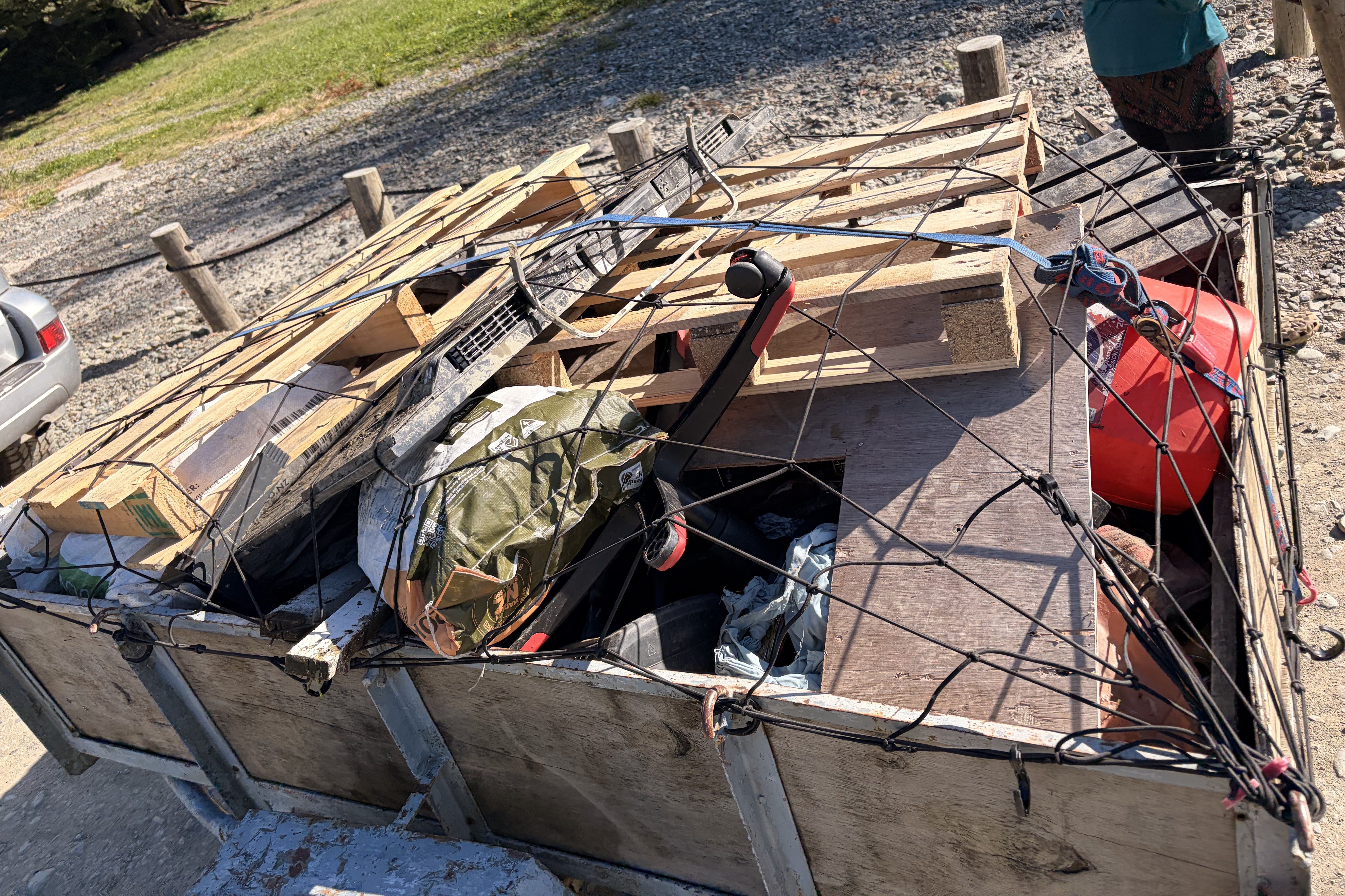
Some students created stop-motion animations and slide shows to share with their community, others organised a rubbish collection day that saw 120kg removed from the river and a planting day that saw 200 trees planted.
Many groups wrote to the council, with Mayor Tim King responding to their letters and culminating in some pupils presenting to the council.
“It’s something I haven’t done as an adult, so it’s great to have our students get to have that opportunity,” Sarah said. “It was awesome that the district council could embrace the kids’ learning and take it to that extra step for them, and make it very authentic.”
During the kids’ presentation, Lydia Ippolito suggested the council could do more publicity about what was free to dump at Tasman’s resource recovery centres and install signs warning of cameras and fines at the river.
Nina added that the council could block vehicle access with gates or barricades so people couldn’t get their rubbish to the river.
Councillor Kerryn Ferneyhough, a teacher by trade, congratulated the students on their bravery for presenting to the council.
“It’s really, really encouraging to see young people who care so much about their environment and who have the courage to come in here and speak to us, so well done. You should be proud.”
In the 11 months to May 2026, the council spent almost $25,000 clearing illegal dumping from river areas, about $21,000 of which related to the Waimea and Wairoa Rivers. The total cost was up from the $22,600 in 2024/25, but significantly down on 2023/24’s $41,000 spend.
Incidents of reported illegal dumping have increased over previous years, but the council’s records do not consistently account for volume or weight of material.
“We are keen to work with Appleby School and the pupils to find ways to make the area as litter-free as possible,” a council spokesperson said.
Hidden cameras have already been installed at the river, and signs are in place warning potential dumpers that the council was watching, but blocking vehicles entirely would raise access concerns for legal roads and nearby landowners who graze stock in the area.
However, gradual reductions in space for vehicles, and plantings, have seen less dumped rubbish and motorcycle damage.
River-access points on the Waimea/Wairoa corridor are repeat problem areas for illegal dumping, particularly around the Appleby Bridge, Clover Rd West, the stretch between Blackbyre and Bartlett Rds, and Lower Queen St. Parts of the Motueka and Moutere Rivers are also recurring dumping locations.
Dumped material commonly includes houshold rubbish, couches, whiteware, tyres and other vehicle parts, burnt rubbish, mattresses, and animal carcasses. Standard recycling, along with quantities of hazardous waste less than 20kg, and up to five tyres at a time, can be disposed of for free at Tasman’s resource recovery centres.