
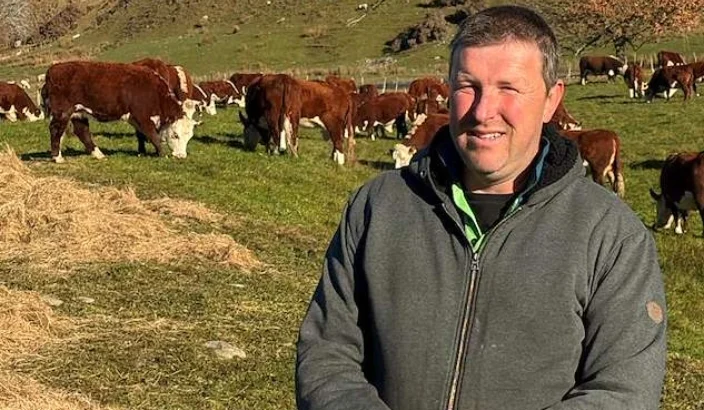
One farmer and parent says changes to Tapawera Area School’s bus routes further disadvantage rural families, but more children have benefited from the adjustments than have been impeded.
Kerry Irvine previously had to drive three kilometres to drop his kids off and pick them up at their school bus stop but, as of Term 2, he now has to drive them 12 kilometres each way.
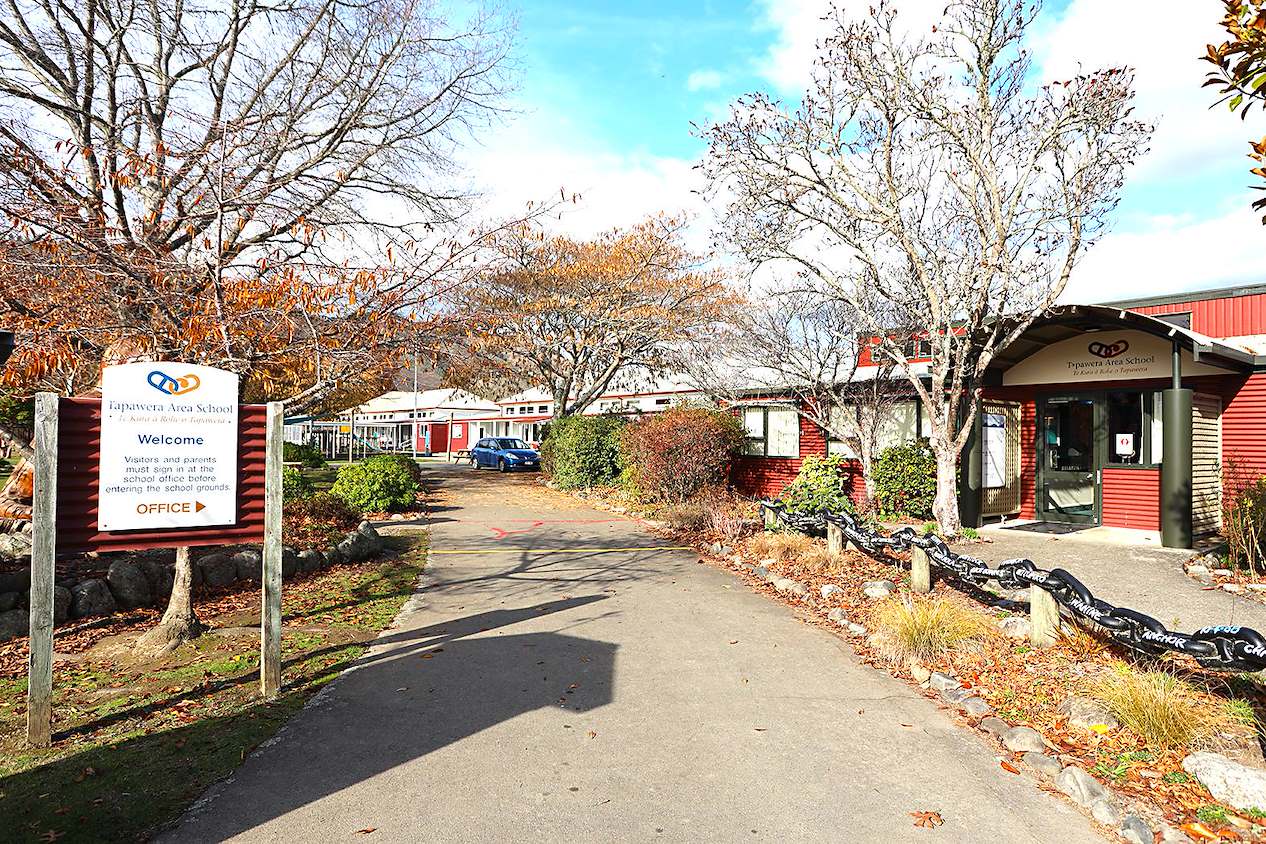
He described the daily addition of 18 kilometres of travel on gravel roads, with the elevated cost of fuel and associated vehicle wear and tear, as a “kick in the guts”.
“It’s an expensive… time to be dropping your kids to school.”
Kerry pointed to the number of school bus route adjustments that had been made across the country, which he attributed to cost-saving measures by the Ministry of Education.
“The routes are just getting shorter and shorter… They just pulled the pin, basically, because there’s not enough students on the bus.”
Kerry, also the president of Federated Farmers’ Nelson province, says such school bus changes made it harder to attract employees with families to rural areas and could exacerbate truancy issues.
“We want our children to have good education, right? In a lot of aspects, you can’t keep cutting and cutting and cutting and expect a good result,” he says. “I do know that there’s people that are home-schooling now because it was just too far to take their kids to the bus… What price do we put on our kids’ education?”
He was open to paying an additional fee for the school bus to travel further but ultimately thought that the school bus system was “just not fit-for-purpose”.
James Meffan, general manager of school transport at the Ministry of Education, says its bus routes were not configured to save costs and instead aimed to transport as many eligible students as efficiently as possible.
“Over time, eligible students and their families move into or out of areas, which means that our school bus routes need to be adjusted to respond to these changes.”
Tapawera Area School’s bus controller wrote to the Ministry in August 2025, requesting an amendment to a school bus route, signed by the then principal, because of a new student starting at the school.
“As part of this process, all four of their school bus routes were reviewed and redesigned to reflect the number and locations of their eligible students,” James says.
A total of 17 students were advantaged by the bus route changes while nine now have to travel, or travel further, to their stop.
“Our bus services are not designed to operate door-to-door. For reasons of efficiency, all parts of a school bus route must benefit four or more eligible students,” James says.
“This means that in some cases, the school bus will only travel to a safe bus stop location that is near the fourth-furthest eligible student on any given road. Other students are expected to make their own way to a bus stop.”
Students who do not have access to a Ministry bus service or live more than 2.4km from a school bus route may be eligible for financial conveyance assistance.
Caregivers can apply on the Ministry of Education’s website.
Linda Tame, limited statutory manager at Tapawera Area School, said that she, the acting principal, and presiding member of the board of trustees had no knowledge of the bus route review and directed Local Democracy Reporting to the Ministry.
The Ministry paused all area-wide school bus reviews in March, but because Tapawera’s review was completed in December, the changes were still implemented in April, at the beginning of Term 2.
The pause was to enable a review of the Ministry’s policy and system settings for school transport that will consider the objectives of the school transport system, whether its operation supported those objectives, and challenges faced by students accessing the system.
Schools can still request reviews during the pause, which will be assessed on a case-by-case basis.