
More than a quarter of the schools benefitting from the Government’s programme to replace diesel boilers are in the Top of the South.
The Ministry of Education has confirmed that 63 schools were involved in the programme, 18 were located across Nelson, Tasman, and Marlborough.
The $37 million Government initiative aims to accelerate the replacement of the boilers to reduce diesel dependence and protect schools from future price shocks.
The programme expects to save around 600,000 litres of diesel per year, deliver cost relief, and improve long-term resilience.
The Top of the South’s strong presence in the programme reflects where diesel systems were in use rather than any regional prioritisation, the Ministry said.
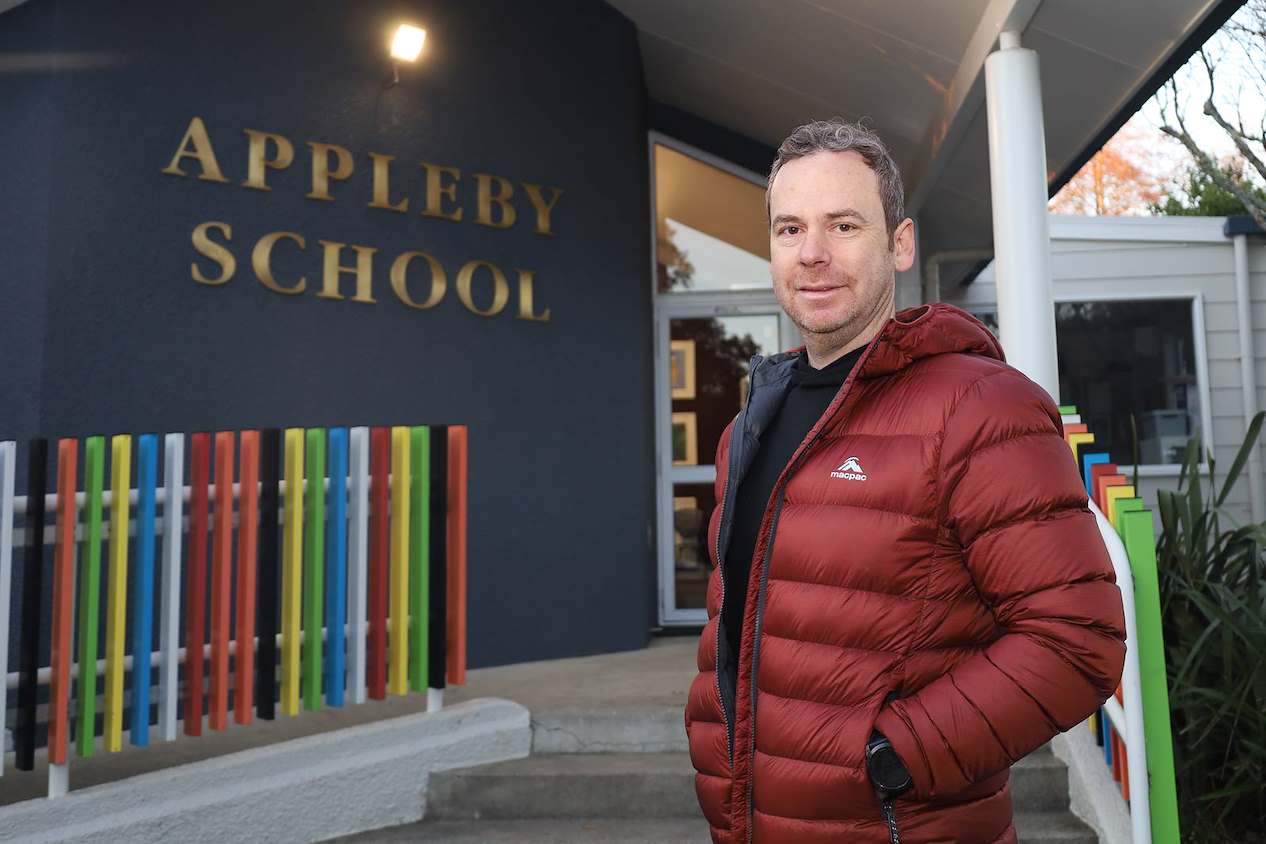
Presiding member of the Appleby School board of trustees, Eli Grace-Webb, says it was a relief and a delight to be included in the programme.
The school’s ageing boiler cost around $2000 in maintenance each year, with another several thousand dollars spent on the diesel itself.
“We can’t really adjust our consumption needs,” Eli says.
“I’m expecting a much bigger hole in our budget this year, because of the cost increases.”
Being an Enviroschool, and having had diesel thefts in the past, the school is keen to transition away from diesel, but the cost was “quite prohibitive” amid other funding demands.
“The faster these things can be resolved, the more we’ll be able to sleep at night.”
Motueka High School’s business manager Juanita Potgieter said its boiler was “a huge cost”.
The typical fuel expense for the school was around $45,000 but she had sought another $20,000 to cover the elevated cost of diesel which would come out of the school’s working capital.
Break downs last year also cost up to $10,000 in repairs, and left some classrooms chilly while they were fixed.
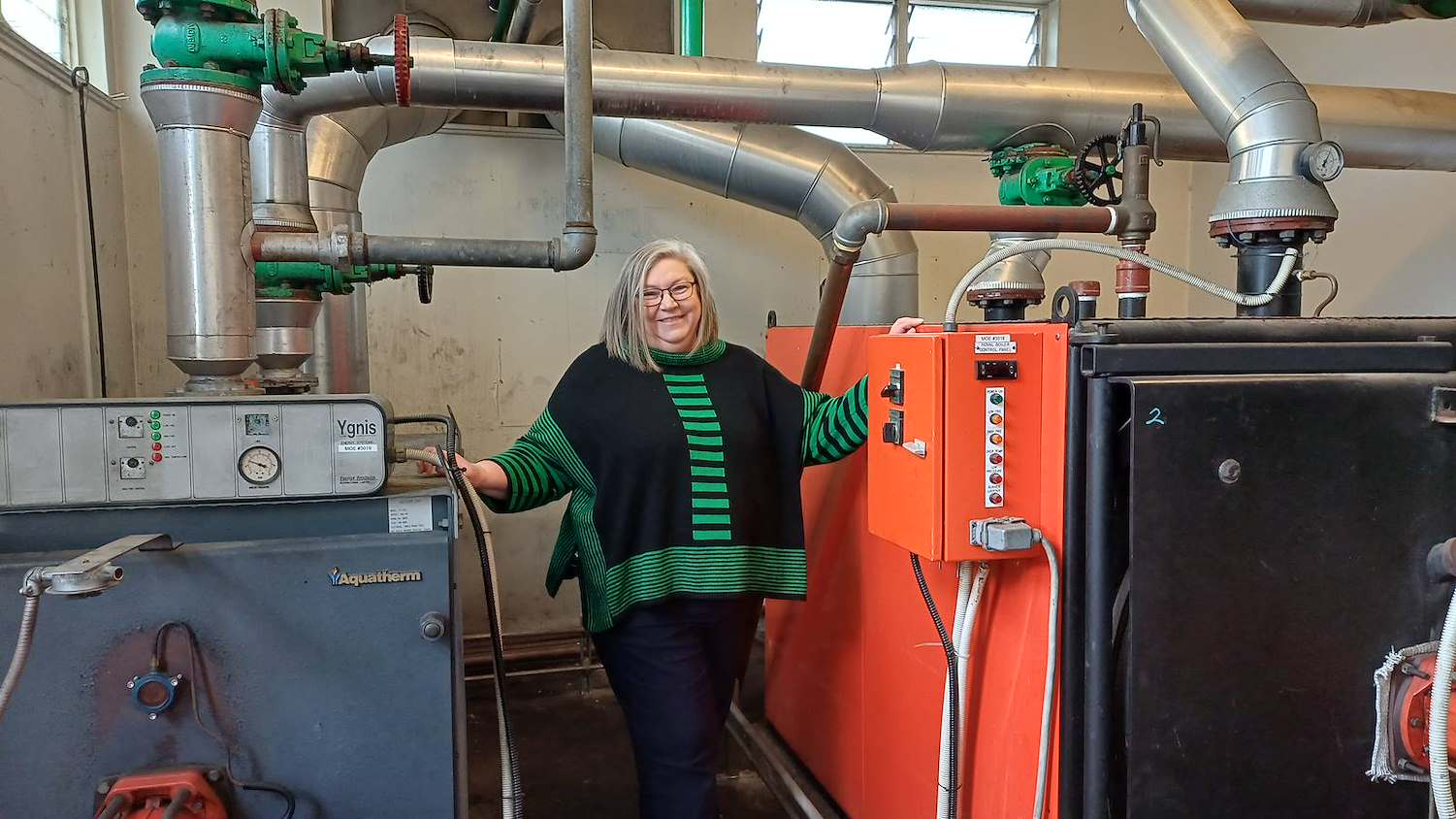
“Which is basically unacceptable, because you have to have a certain temperature in your classrooms for students to study and to keep healthy.”
Juanita says an electrical heating system would deliver “significant benefits” by being convenient, essentially eliminating the chance of damaging the equipment by operating it incorrectly, and deliver time savings, particularly for the caretaker.
Students who were part of the Environment Group at Nelson’s Broadgreen Intermediate School were invited by the principal to consider ways to rely less on the diesel boiler as costs rose.
They found that operating the boiler for 5 hours a day burned about 12,000 litres of diesel each year – equivalent to 187 return car trips between to Christchurch.
To offset the produced carbon, 113 trees would need to be planted each year.
After the input from the students, who measured temperatures and surveyed classes, the intermediate was now forecast to halve the boiler’s operating hours this year, but its fuel budget was still surpassed amid elevated prices.
“The Environment Group estimates that if our school installed heat pumps using grid electricity we’d produce less than 2 tonnes of carbon dioxide a year,” says learning assistant Camille O’Donoghue, who leads the group.
In an ideal world, the kids wanted solar-powered heat pumps to further cut back emissions, and realise the dollar savings seen by other schools that have made the transition, she adds.
Picton School was the only school in Marlborough slated to benefit from the scheme.
Pete Seddon, presiding member of the board of trustees said it was “great” for the school.

Fuel costs have been “taking a chunk” out of the operating budgets, and the school was concerned about potential thefts.
“Money that we are not having to spend on fuel can go towards more learning assistance in the classroom, and more hours spent on teachers and their professional development.”
As part of the boiler replacement, he says the Ministry has agreed to an electrical upgrade for the school, as running the heat pumps currently installed blows the pole fuse.
“The entire school was offline… It was some chilly classrooms for a wee while.”
Being able to run the heat pumps would provide stable temperatures for the school in both winter and summer, making it easier for the children to focus on learning, Pete adds.
The complete 18 schools across the region that are part of the programme were: Birchwood, Broadgreen Intermediate, Clifton Terrace, Hampden Street, Nayland Primary, Nelson Central, Nelson College, Nelson Intermediate, and Stoke in Nelson; Appleby, Brightwater, Motueka High, Riwaka, Tākaka Primary, Tapawera Area, Waimea College, and Wakefield in Tasman; plus Picton in Marlborough.