

Residents of Tasman’s new subdivisions might like their asphalted roads, but their looming replacement bill means they likely won’t be asphalted forever.
The region’s rapid growth over recent years has seen new neighbourhoods crop up where once there had been fields.
Tasman District Council’s transportation manager, Jamie McPherson, said during a Thursday workshop that developers were frequently opting to asphalt their subdivisions’ roads.
“These roads… provide a smooth, high-quality, attractive service. Residents love it,” he says.
“Developers pay a little bit more upfront compared with just chip-sealing on the road, and everyone lives quite happily ever after, until we come to resurface them.”
Asphalt is the smooth, black roading surface. It was a thick layer of bitumen – the black, tar-like substance used to build roads – mixed with crushed aggregates, like gravel and sand.
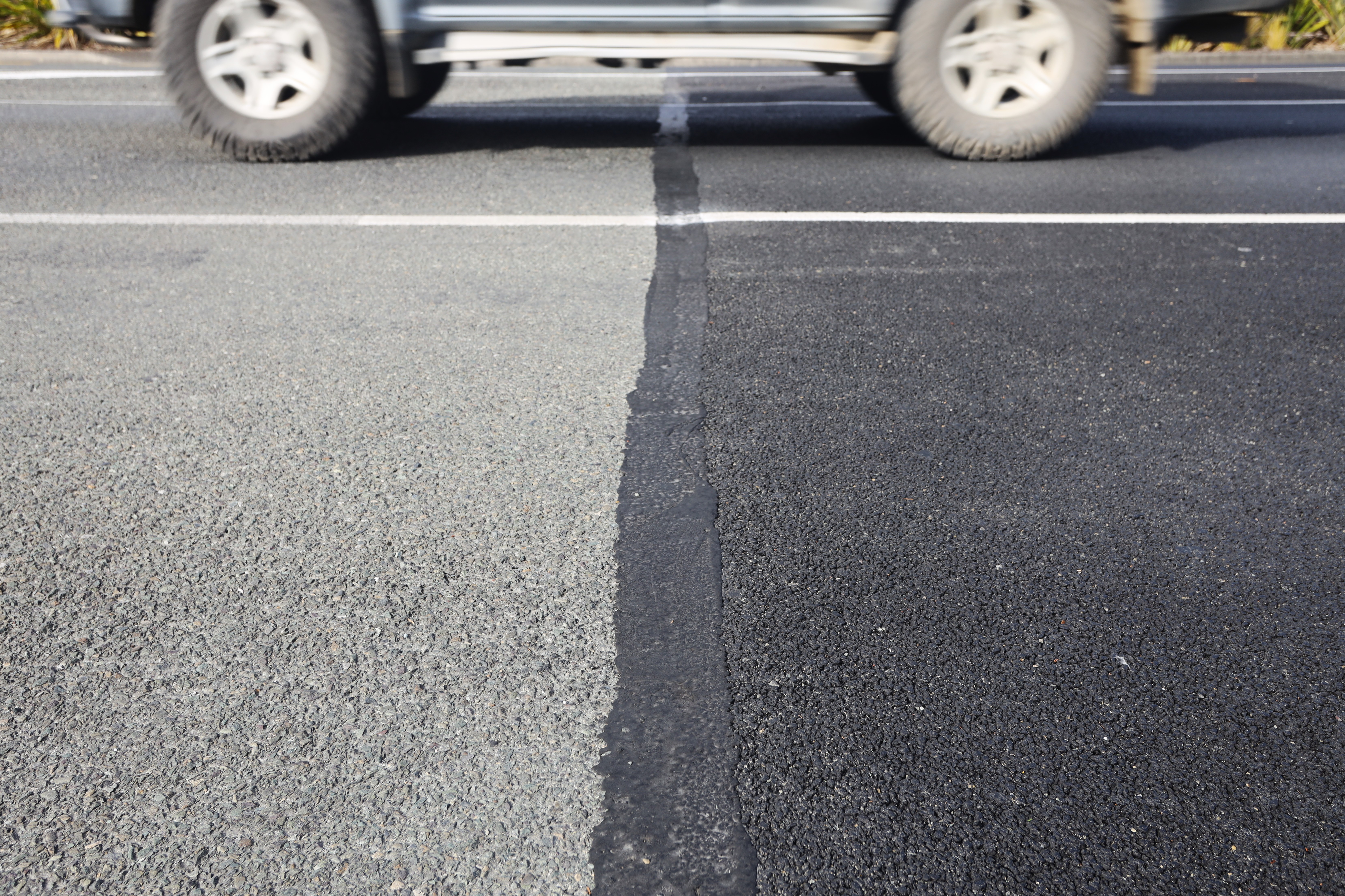
Chipseal however is the rougher roading surface. It’s made with a thin layer of bitumen and a layer of stones – the chip – on top.
As time passes and the roads deteriorate, replacing the old asphalt with a new batch will generate significant costs for the council.
The New Zealand Transport Agency currently subsidises 51% of Tasman’s roading costs, but Jamie says the agency generally only funded “the lowest feasible cost solution”.
Asphalting was about four times as expensive per square metre, with chipsealing cost around $10 while asphalting was around $40.
Asphalt was typically expected to last for 30 years, twice as long as chipseal, which would still make asphalt the more expensive option, even accounting for their respective lifetimes.
Many of the asphalted roads in the district’s new subdivisions did not meet the daily vehicle number of 10,000 that was typically used to determine if a residential road should be asphalted.
Jamie identified 27 kilometres – or 324,000 square metres – of asphalted residential streets that carried fewer than 5000 vehicles a day.
With NZTA expected to only provide 51% of the cost of doing the cheapest option – chipsealing – that would only cover 12.75% of the cost of re-installing asphalt.
That would leave the council with $7 million of cost to re-asphalt those roads over the next 30 years as they reached the end of their life.
The annual asphalt cost was low for the near future but would ramp up from about the 2040s as the today’s new pavements began to fail to cause bills of “around a million dollars a year”.
Jamie recommended that the council begin working on a policy that would ensure future road resealing would be evidence-based, with chipseal being the default unless stressors and network importance required a road be asphalted.
The key problem to such a policy was that residents were likely to be reluctant to see their asphalted roads replaced with chipseal.
Pāpāmoa residents made national headlines in late 2025 after Tauranga City Council moved to chipseal old, asphalted streets.
“Asphalt roads last quite well and are very popular. People really like them,” Jamie says.
Particularly, asphalt was quieter to drive over.
However, workshop chair Richmond councillor Kit Maling did not think that increased noise would be a problem for many and said an eventual shift to chipsealing made “economic sense”.
“These are new subdivisions. So, your insulation and your noise suppressant double glazing is a lot better than in the old houses.”
Jamie added that using a smaller chip would reduce the noise level as well.
The council indicated its support for continued work in developing a policy that would codify the approach that would see low-traffic asphalted roads replaced with chipseal at the end of their life.