
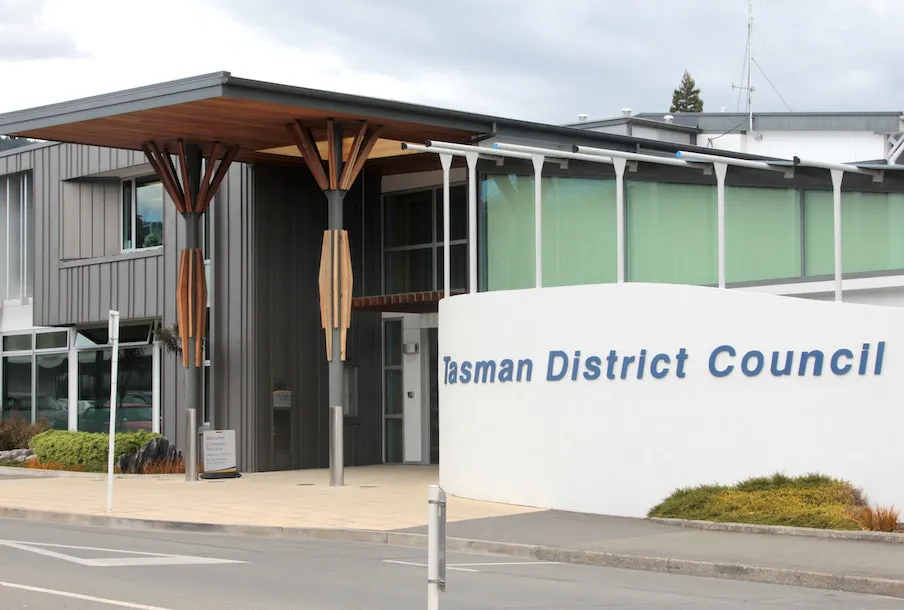
The number of households claiming a rates rebate has increased by more than 40 per cent over the past five rating years, but Tasman District Council says there are still eligible ratepayers missing out.
In the rating year ending 30 June 2022, 1,734 households claimed just over $1 million in rebates. By 2026, that had increased to 2,504 households claiming just under $2 million - nearly double the amount.
The government-funded Rates Rebate Scheme helps low-income homeowners meet the cost of council rates. Councils administer the applications, but are reimbursed by the Government for the rebates they grant.
While many people assume the rebate is only for retirees receiving New Zealand Super, eligibility is based mainly on household income, the amount of rates charged and, in some cases, the value of the property. For the 2026-27 rating year, the maximum rebate is $830, up from $805 the previous year. In Tasman, the average rebate paid in 2025-26 was $775.
The council says it proactively sends application forms to previous recipients each July and promotes the scheme through its rates brochure, Newsline and social media. Staff also discuss the rebate when ratepayers approach the council about difficulty paying their rates.
But it believes there are still eligible ratepayers not claiming the rebate because they are not aware of the scheme. Ratepayers who want to find out if they qualify can contact the council or check their eligibility online.
While a rates rebate can ease the pressure for some homeowners, it isn’t always enough when people face unexpected financial hardship. That’s where the Fifeshire Foundation can sometimes step in.
Executive officer Shanine Hermsen says that helping people get on top of their rates bill wasn’t even something the charity dealt with a few years ago, but an increasing number of people are seeking help.
She refers to one pensioner in their 70s whose spouse went into residential care, leaving them to meet mortgage payments and falling behind on rates.
“The way we helped with that was help them get back on track, and then they set up direct credit with the council. It’s things like that, when there’s a crisis and we can help them get back on their feet.”
Other examples include an ill family member who could no longer earn an income and fell behind with their rates. Another was a young solo parent who had a secure job but found themselves without child support and fell behind with their rates, leading to the disputes process and penalties.
“We helped out to basically give them a hand up and get out of a pickle so they could keep moving forward.
“We can help people like that, who through no fault of their own have gotten into a situation where there is nowhere else to go. Sometimes they might be just over the threshold for community services card and therefore not qualify for support. For them to know they can come to someone like us where a wonderful local person has donated money to make it possible for us to help them is just a lifesaver and can really turn things around for them. We’re privileged to be able to help people like that.”
Nationally, rates rebate claims have also increased. More than $100 million was refunded for 134,409 rebate applications so far in the year ended 30 June 2026, up from nearly $75 million from 112,492 applications in 2022.
