
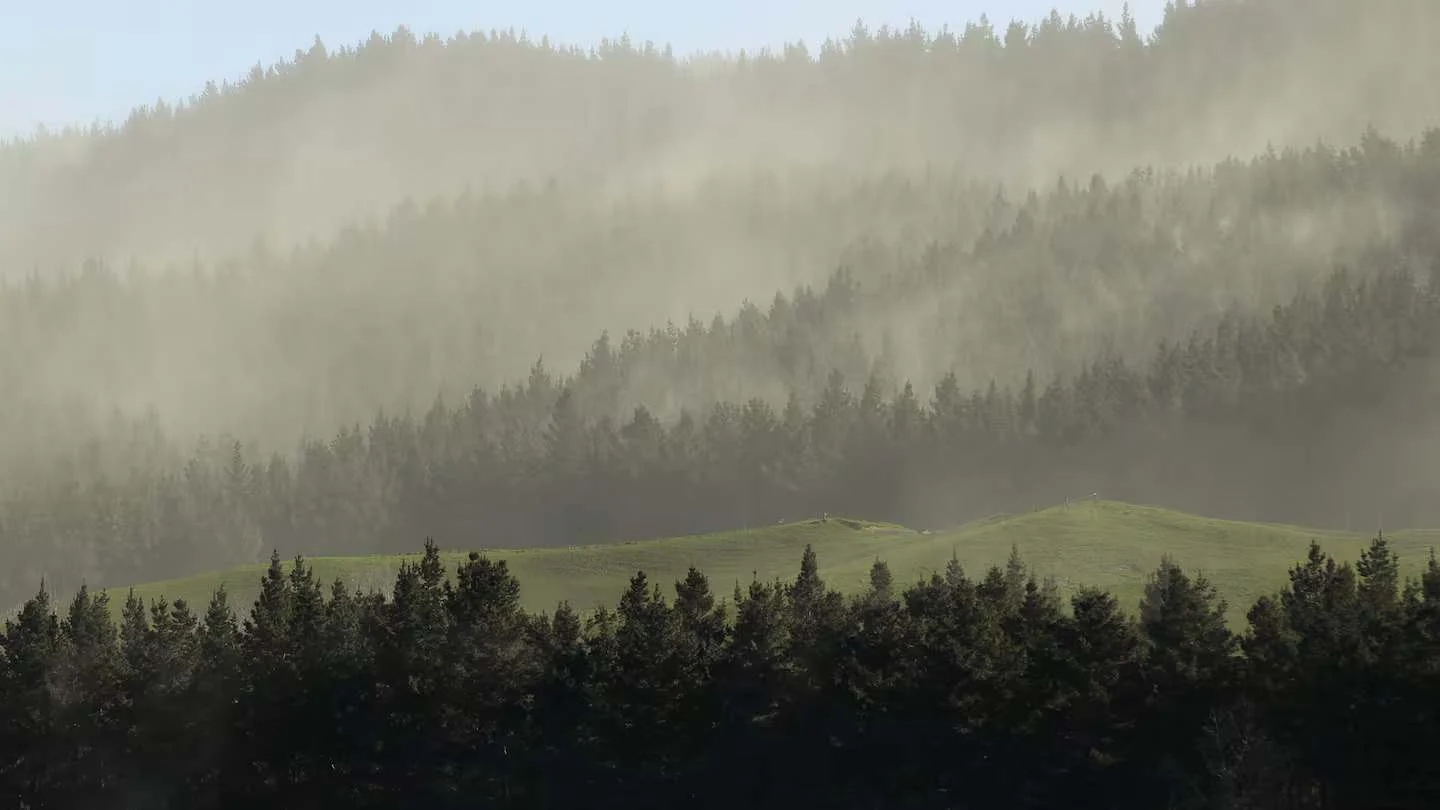
That dusting appearing on outdoor furniture and cars is an early sign that the annual pine pollen season has begun and signals the start of the wider pollen season.
The yellow pollen from pine trees is often the first sign of spring. The pollination period is usually short, lasting roughly two weeks, with peak pollen concentrations occurring over just a few days.
Respiratory Support Nelson’s manager Jessica Quinney is encouraging anyone with asthma, hay fever, chronic obstructive pulmonary disease (COPD) and other respiratory conditions to prepare for the seasonal increase in airborne pollen.
Hay fever affects about one in five New Zealanders, while asthma affects around one in eight. As pollen levels rise, spring can bring an increase in symptoms including sneezing, itchy or watery eyes, a runny nose, coughing, wheezing, chest tightness and shortness of breath.
Jessica says Nelson Tasman’s warm climate and abundance of trees and grasses make spring a particularly challenging time for many people who are sensitive to pollen. While pine pollen is highly visible, grasses and other plant pollens can also be significant triggers for hay fever and asthma symptoms.
She encourages people with respiratory conditions to be proactive during the pollen season by continuing to take prescribed preventer medications, carrying their reliever inhaler if they have asthma, and ensuring they have an up-to-date asthma action plan. Antihistamines and other allergy treatments can reduce hay fever symptoms.
Keeping windows and doors closed on high-pollen days, as well as showering and changing clothing to remove pollen after spending time outdoors, can also help.
If symptoms worsen or become difficult to manage, people should seek medical advice.
