
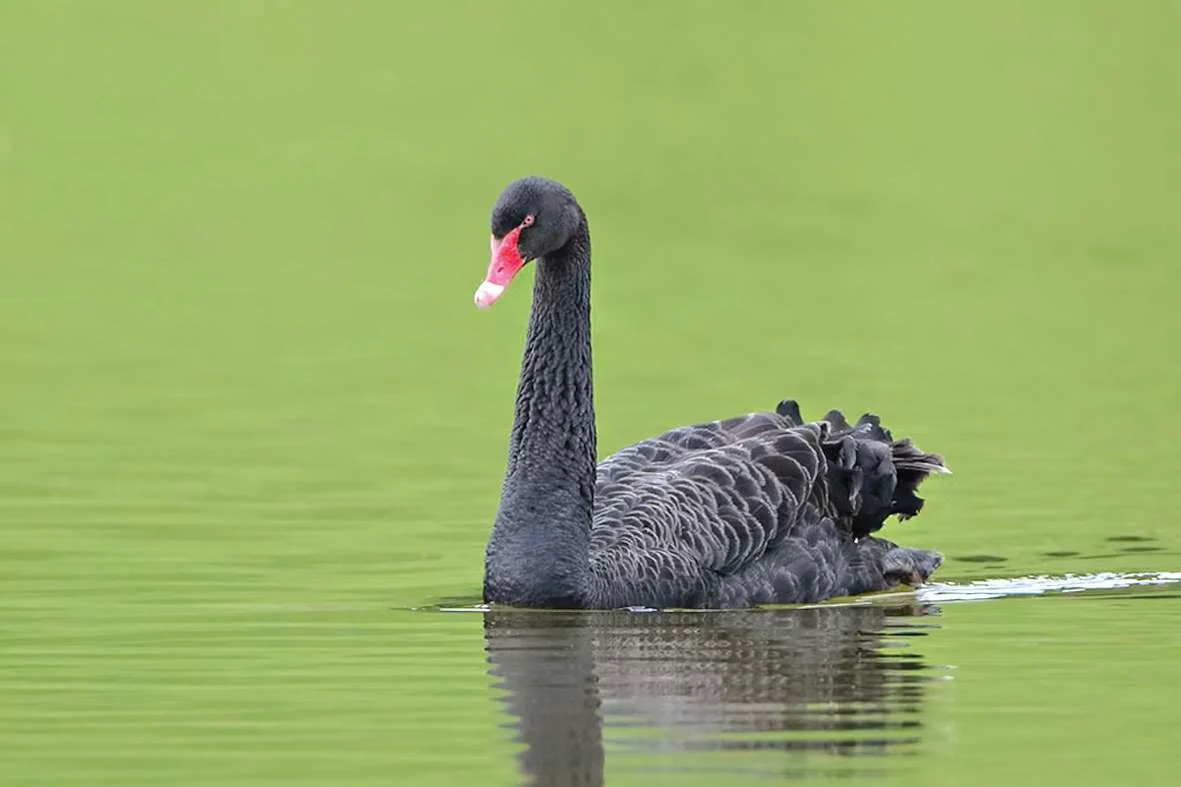
A local ornithologist says it is only a matter of time before bird flu arrives in Nelson Tasman, and it could cause massive mortalities in species like the black swans at Farewell Spit.
Dovedale ornithologist David Melville says it’s now time to press the pause button on bird feeders, which encourage birds to congregate and could help spread the virus once it arrives.
He says that the virus has changed over the years to become the H5N1 strain, which spreads faster.
So far, there have been three confirmed cases of bird flu in New Zealand – a brown skua found dead at Petone Beach in Wellington, a kāhu (swamp harrier hawk) near Carterton and a northern giant petrel found dead on a Cape Palliser beach in the Wairarapa.
David says that giant petrels are one of the most likely birds to bring the virus into the country, rather than migratory birds arriving from the northern hemisphere along routes that don’t pass through Australia.
Nelson-Tasman is just across the strait from the three cases of bird flu, and he says the flocks of birds inside Farewell Spit could be particularly hard hit, especially the estimated 16,000 black swans that are flightless while they moult and congregate together. He points to research in Australia that suggests black swans have been badly affected by the virus.
“The other species I would be concerned about is the gannet colony on Farewell Spit. When they’re nesting, they’re really tightly packed in and squabbling with each other.”
In Scotland, the virus decimated a third of one gannet population, and David says it is thought to take 20 years to build the flock back up to pre-bird-flu numbers.
In Nelson-Tasman, the other species that might take a big hit is the red-billed gulls, which nest densely.
Inland, freshwater marshes and lakes are areas where birds congregate in flocks, and he says that the virus can spread easily.
When it comes to species that don’t naturally congregate, like our bush birds, he says that there’s a “big unknown” about how they will fare. In Europe, there weren’t reports of big numbers dying, but he says that could be because they end up at the bottom of a bush where no-one sees them.
“They tend to not be in such big flocks, so not the same transmission.”
Which brings him back to feeding birds in the garden.
“The general consensus is it’s not a terribly good thing to feed birds in your garden and congregating them on a bird table or bird feeder. It’s always nice having a bird feeder and seeing birds up close in the garden, but realistically, at the moment, it’s better if you don’t do it.”
David says, wild birds don’t need extra feeding at this time of year anyway, as there’s plenty of natural food around.
Free-range chooks are another issue, he says, as their food attracts wild birds such as sparrows that congregate around food and can spread the virus if they are infected.
Along with birds, David says that it is the New Zealand seal population that could suffer from bird flu. The virus has caused high mortalities overseas, including 96 per cent of southern elephant seal pups born in 2023 on an Argentinian peninsula, and Australia has recently confirmed its first H5 bird flu death of a mainland mammal – a long-nosed fur seal.
“On a more positive note, northwest Europe – around the North Sea – they’ve found that although hundreds of thousands of birds are dying, not every bird with bird flu dies and some that survived are now immune to it.”
Plus, he says, some seabird species don’t breed until they are several years old, meaning young birds can spend years living away from the breeding flock and possibly avoid the virus.
