
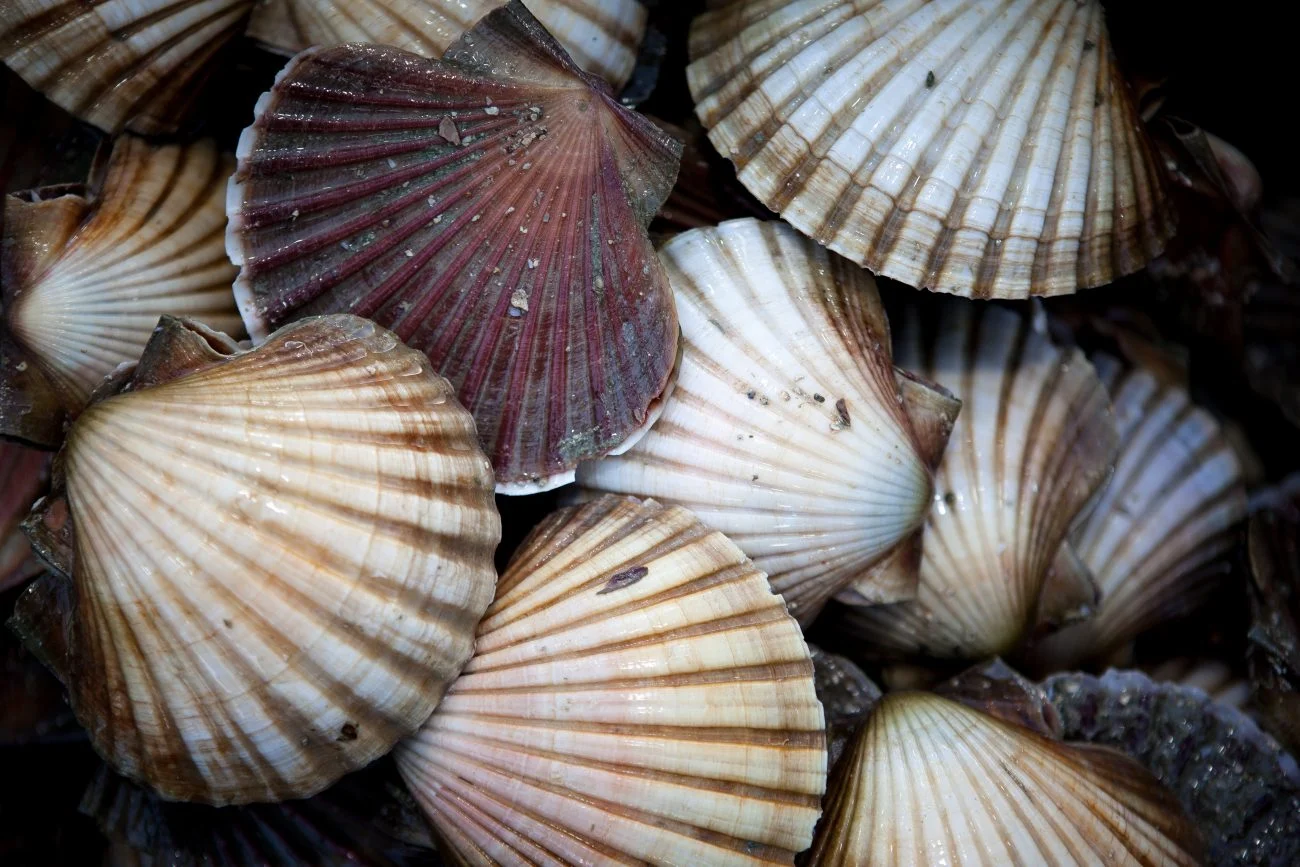
A $1.97 million Government investment will help restore a key part of the southern scallop fishery in Tasman and Golden bays, with the aim of rebuilding stocks and creating a pathway to a self-sustaining industry.
The funding, through the Primary Sector Growth Fund (PSGF), will support the seven-year Challenger scallop fishery restoration programme alongside significant industry investment led by the Challenger Scallop Enhancement Company (CSEC).
Oceans and Fisheries Minister Shane Jones says the project is focused on reviving a fishery that was once New Zealand's largest commercial scallop fishery.
“The southern scallop fishery in Tasman and Golden Bays was once New Zealand's largest commercial scallop fishery. This investment is about creating the conditions for its recovery so future generations can benefit from a healthy and productive fishery,” Shane says.
“The project brings together science, innovation and industry expertise to rebuild the fishery.”
The fishery has remained closed following years of habitat degradation, sedimentation and poor juvenile scallop survival. A feasibility study completed earlier this year found traditional enhancement methods alone would not be enough to restore stocks.
A major part of the project involves restoring about 39ha of seabed, including placing thousands of cubic metres of mussel shell on the seafloor to improve habitat for scallops and other marine species.
“This investment is about far more than scallops. It is about restoring marine habitat for scallops, improving biodiversity, and rebuilding the foundations of a fishery that supports economic, cultural, and community wellbeing,” Shane says.
The project has strong support from industry and iwi. CSEC shareholders include the eight Top of the South iwi and more than 20 commercial fishing and processing businesses.
The total project is valued at $5.02 million, with industry contributing more than 60 per cent of the funding through cash and in-kind support.
Modelling indicates the restored fishery could generate about $21 million in new revenue over 20 years, delivering significant long-term benefits for the regional economy and seafood sector.
