
Samantha Gee of RNZ
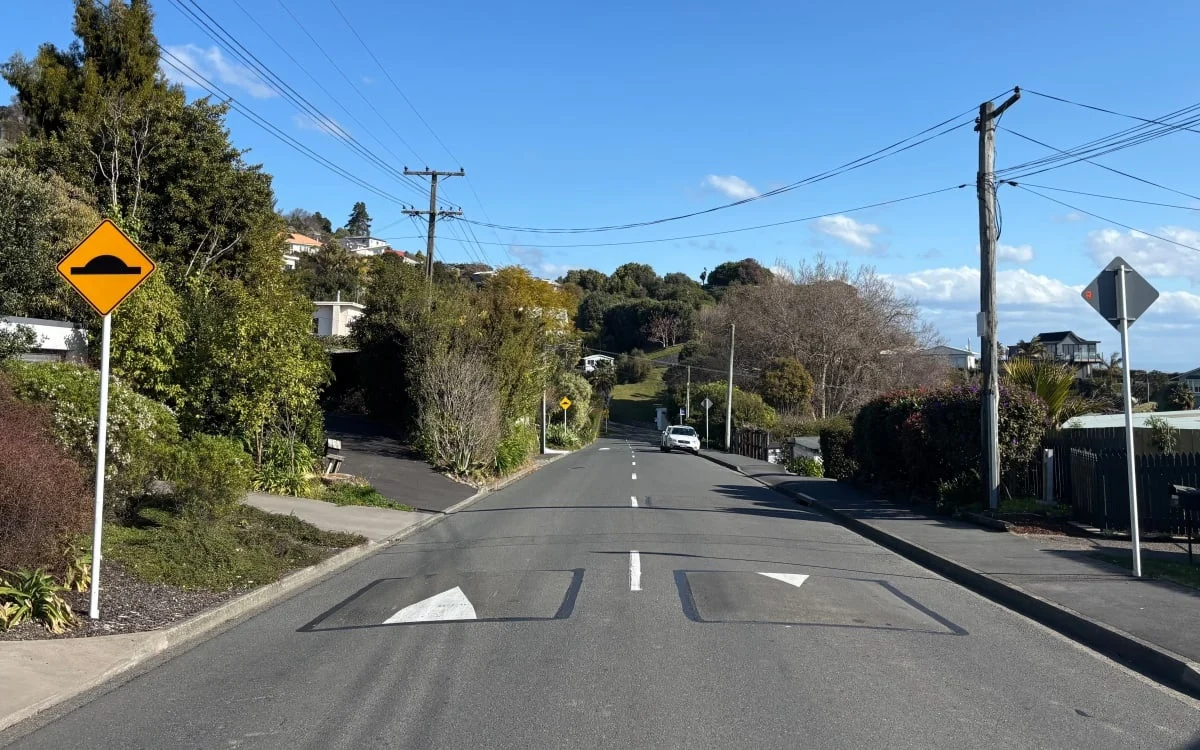
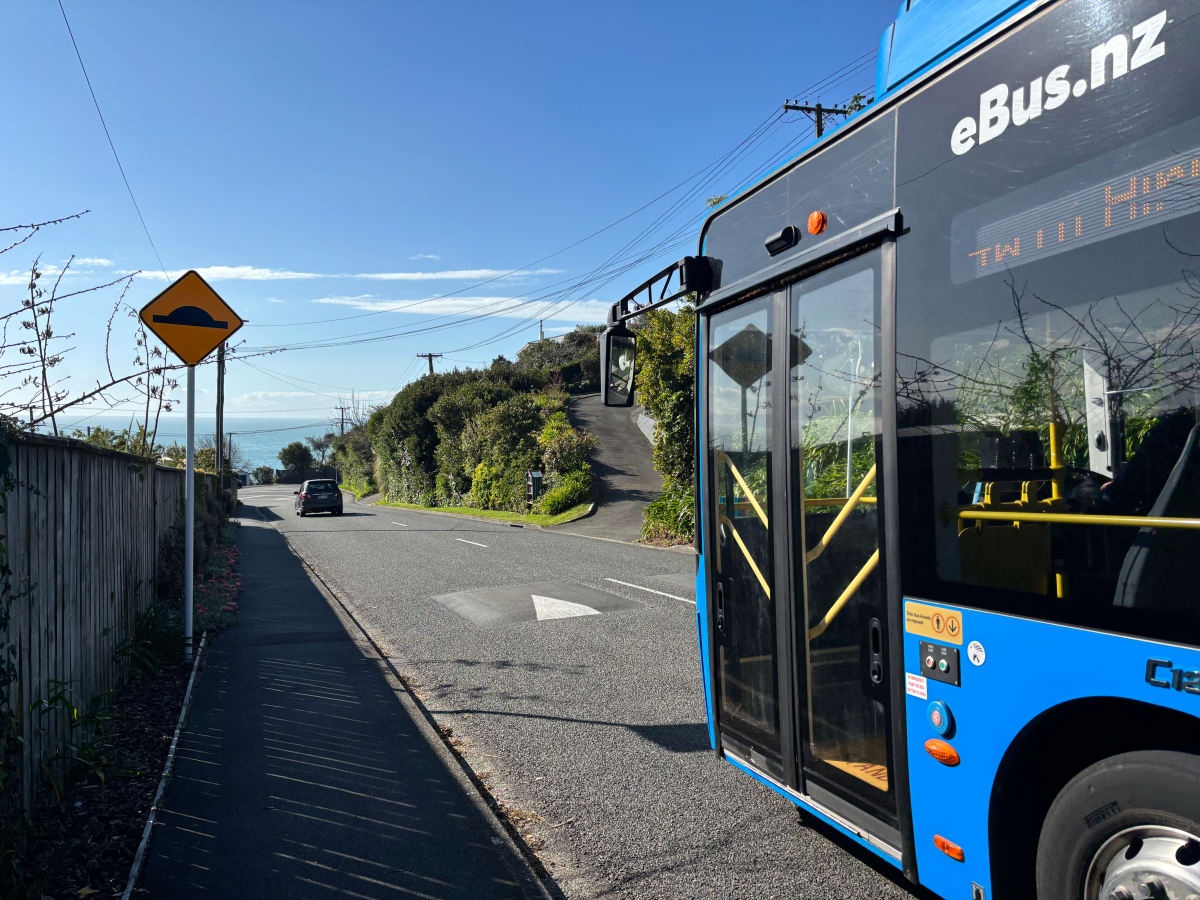
Residents in Nelson's Tāhunanui Hills are divided over speed bumps intended to slow traffic and reduce rat-running on the streets above State Highway 6.
The council decided to remove them after surveying public opinion but a group of residents say the feedback did not accurately portray the wishes of those who live on the affected streets.
Nelson City Council first installed the speed cushions on Moana and Bisley avenues as part of a two-year trial in January 2024.
But elected members voted in March to remove them - against staff advice - after a survey of residents showed 63 percent wanted them gone and only 23 percent supported keeping them.
Some residents said the speed cushions had reduced speeding and the number of crashes. Others said they created disruptive noise and vibrations.
The council heard from advocates and opponents on Thursday.
The speed cushions are scheduled to be removed sometime during the next road resealing season, which begins in October.
Brian Nelson, of the Bisley Moana Speed Humps Retention Group, told the council residents were alarmed by the decision to remove them.
Removing them was the right call in light of feedback to the survey but in recent months it had become clear it was the opposite of what residents in affected areas wanted, he said.
The group reviewed the survey data and, when responses from those who did not live on Bisley or Moana Avenues were excluded, it showed residents were equally divided, Nelson said.
Volunteers then surveyed 109 households in the streets and found 80 percent wanted the traffic calming measures to remain, he said.
"Council evidence clearly shows dangerous speeds of 60 to 80km/h on our narrow, windy roads. Council should not encourage this by removing the speed cushions.
"Your roading engineers know how Bisley Moana fits as a collector road into overall city traffic flows and they recommend retaining the speed cushions."
Resident Nelson McEwan said the two streets were intrinsically dangerous with sharp blind corners and were slippery following rain.
"Council data shows the cushions have lowered traffic volume by 41 percent, lowered mean speed by 24 percent, halved the accident rate and boy racers have evaporated. Removal of cushions will cause the prior conditions and behaviour to return," McEwan said.
The speed bumps vastly improved safety and McEwan implored the council to reverse its decision and retain the cushions until an equally safe alternative was found.
Resident Pauline Puklowski said the roads had high crash rates, blind corners, hidden access ways and S-bends that attracted competitive racing.
"Thankfully the speed cushions have successfully tamed some of the dangerous driving, night-time boy racers and repeated crashes where residents risk their own safety to act as first responders," she said.
Residents questioned the $70,000 cost to remove safety measures without an evidence-based justification.
"Council is placing hypothetical fears of vibration and noise above genuine safety. Residents accept normal urban noise like buses and heavy trade vehicles but we do not accept being treated as collateral damage for motorist convenience," Puklowski said.
"You cannot feel safe when you are waiting for the next accident, afraid to cycle or use the footpath wondering if a speeding driver is going to navigate the next corner, or worrying if your children are safe sleeping metres away from a previous crash site."
Speaking in support of the speed cushions being removed, Nicholas Lunn called the debate "a circus" and said the only thing that had changed since the decision to remove them was lobbying by those who wanted to see them retained.
Lunn defended the council's survey results.
The survey by the Bisley Moana Speed Humps Retention Group was subjective because it was done on the doorstep, in-person by the advocates themselves, he said.
Lunn accepted traffic counts and accident rates were lower but he said people were upset and there had to be a better way.
Many residents wanted some form of traffic calming, such as chicanes, plantings or a lower speed limit, just not the cushions in their current form, he said.
"It's time we put this behind us and actually worked together to create sensible traffic calming solutions that you can implement across Nelson," Lunn said.
"Sensible solutions mean solutions that don't upset residents from noise, vibration, swerving, bad driving."
Resident Darryl Ware said the noise was noticeable as soon as the speed bumps were installed and he contacted the council to let them know.
He was told by the engineer in charge of the project that they had not considered the noise, he said.
"Every small ute, small business [vehicle], with a trailer or without a trailer, but carrying metal tools, pipes, bits of things, goes ka-ching, ka-ching over it and that really is disturbing," Ware said.
"Every council in this country, including this one, has in their main charter to provide the ratepayers with quiet enjoyment of their properties - this is directly counter to that."
Mayor Nick Smith acknowledged both sides and said changing the March decision would require a formal motion.
Both groups would be advised if the council were to reconsider it.
This story was first published on rnz.co.nz
