
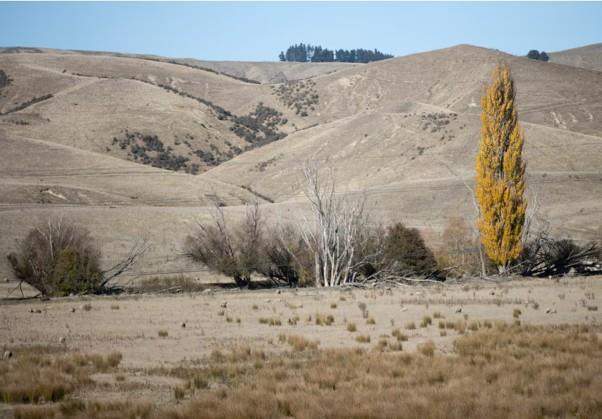
Waimea farmers and growers are being urged to prepare for a potentially dry and windy summer as a strong El Niño develops in the Pacific.
Tasman District Council’s analysis of long-term rainfall records shows very strong El Niño years have often brought drier-than-normal conditions across much of the district, particularly in Waimea and Golden Bay.
If that pattern repeats this summer, paddocks could dry out sooner than usual, irrigation demand may increase and farmers could find themselves keeping a close watch on water supplies.
Strong winds are also expected. Combined with hot, dry conditions, they can pull moisture from soils and crops, put extra pressure on livestock and increase the risk of rural fires.
“For farmers, growers and rural communities across Tasman, the message is simple: use the lead-in time wisely – preparing now could make all the difference and protect your options when summer arrives,” a council spokesperson says.
That could mean checking water supplies, reviewing feed budgets, monitoring soil moisture and making sure plans are in place if the season turns dry. Farmers and growers are also being encouraged to prepare for fire season.
The warning comes as El Niño continues to strengthen in the tropical Pacific. Earth Sciences New Zealand says there is a 90% chance it will reach or exceed “very strong” intensity during the August to October outlook period.
While the event is still developing, July recorded the strongest atmospheric measurements on record for that month. The greatest impacts are expected during summer.
Spring is shaping up to be drier than normal across the top of the South Island, with Earth Sciences New Zealand predicting less rain than usual between August and October. River levels and soil moisture are also expected to be on the low side.
Temperatures are harder to predict, but spring is expected to bring a mix of warm and cool weather along with spells of strong wind.
The council also notes that every El Niño is different.
“No two El Niño events are exactly the same. This event is occurring in a warmer climate than in previous El Niño years, so while past seasons can provide some guidance, they may not be reliable indicators of exactly what to expect this time around,” it says.
The council will continue tracking river flows, groundwater levels, soil moisture and weather forecasts over the coming months. If conditions become significantly drier, the Dry Weather Task Force could be called together to provide advice on water management.
Updates will be available through the Tasman Rural Hub.
