
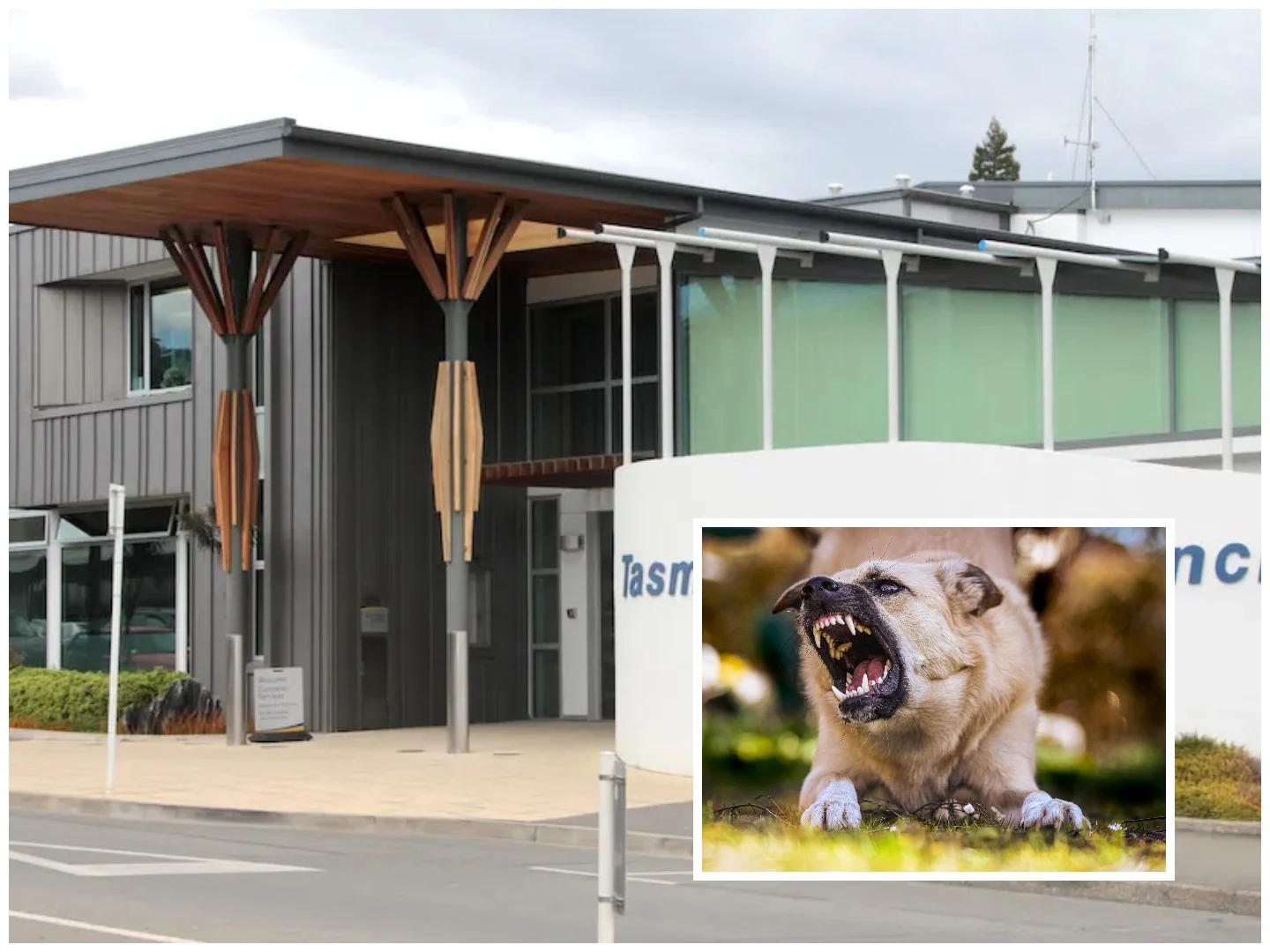
Dog attacks on stock more than doubled in Tasman during the past year, while complaints about attacks on pets and people also increased.
Tasman District Council received 68 complaints about dogs attacking stock in 2025-2026, up from 26 the previous year. Complaints about attacks on domestic pets rose from 28 to 46, while attacks on people increased from 58 to 62.
The figures were discussed at last Thursday’s Environment Regulatory and Operations Committee meeting as part of the council’s annual dog control report.
Council spokesperson Tim O‘Connell says the increase in stock attacks could be due to a combination of factors, including reporting behaviour and dogs not being adequately controlled in rural and semi-rural areas.
However, the council has not carried out any formal analysis to determine exactly why the numbers have risen, or whether there are particular areas where the problem is worse.
During the meeting, councillor Dave Woods asked about the severity of the attacks, whether certain breeds were responsible and whether there was evidence of dogs attacking in packs.
Regulatory support officer Sandy Vale said no particular breed was responsible for the attacks and there was no evidence of dogs attacking in packs, although some incidents involved two or three dogs.
Another significant increase was the number of dogs classified as menacing because of their behaviour, which jumped from 24 to 79 in a year.
Tim says that could be due to increased public awareness and reporting of aggressive behaviour, greater attention following serious dog attacks reported nationally, changes in dog ownership, or wider social and economic pressures affecting owners.
He says the council has not undertaken specific research to determine the cause.
Overall, the council received 1238 dog-related complaints during the year, up from 1155 the previous year.
Wandering and found dogs made up the most complaints, increasing to 689 from 575. Welfare complaints also rose from nine to 29 but barking complaints dropped from 372 to 267.
The number of registered dogs in the district also fell, from 12,531 to 12,258, with registrations declining in both rural and urban areas.
Despite the drop in registrations, failing to register a dog remained the most common infringement. The council issued 243 notices for failing to register a dog, up from 215 the previous year.
Sandy says the council tries to work with owners struggling to pay registration fees, offering payment plans where needed.
The report recorded one probationary owner and six disqualified owners during the year. No legal proceedings were initiated by the council.
The annual report covers the period from 1 July, 2025, to 30 June, 2026, and will be made publicly available on the council’s website and in Newsline.
