
Eighty community organisations from across Te Tauihu are calling on the Department of Internal Affairs (DIA) to halt a proposed restructure they say would remove vital local support from communities across the top of the South Island.
Kōtuitui Community Development Agency has sent a joint letter to Secretary for Internal Affairs Paul James and written separately to Internal Affairs Minister Brooke van Velden, urging a pause before any final decisions are made.
The appeal comes just days after 80 organisations signed on to support the call, with groups ranging from Mohua Social Services in Golden Bay and Motueka Community House Trust to Havelock Community Association and Flaxbourne Agricultural & Pastoral Association in Marlborough.
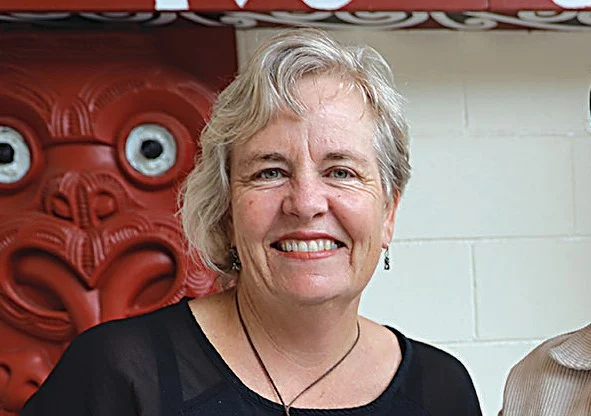
Kōtuitui chair Megan Courtney says the response shows how much local advisors matter.
“Eighty organisations in a week, many of them run by volunteers, tells you how much local advisors matter here,” Megan says.
“These are groups that don’t usually do advocacy. They signed because they know what they’d lose.”
DIA’s proposal would disestablish all 70 existing Community Advisor roles, create 40 new positions and reduce 16 local service centres to three hubs in Auckland, Wellington and Christchurch.
Under the plan, Te Tauihu would no longer have Community Advisors based in the region.
The letter includes examples from 68 organisations outlining how advisors have helped community groups secure funding, navigate grant applications and develop local projects.
Examples include helping the Motueka Over Fifties Social Hub avoid closure, identifying funding for an Emergency Management Room at Havelock Town Hall and supporting Grey Power Marlborough through its first funding applications.
The Whakatū Group Riding for the Disabled arena roof project was also highlighted as a success achieved with advisor support.
“DIA says it is taking an evidence-based approach to this restructure,” Megan says.
“So have we. Our communities have told us, with real examples, what local advisors do and why it can’t be done from a hub or a portal.
“What we haven't seen is any assessment of what this change means for the communities on the receiving end. We’re asking DIA to do that work and to publish it before it decides.”
The organisations want DIA to retain locally based Community Advisors, assess the impact of the changes on regional and rural communities and engage directly with those affected before making a final decision.
