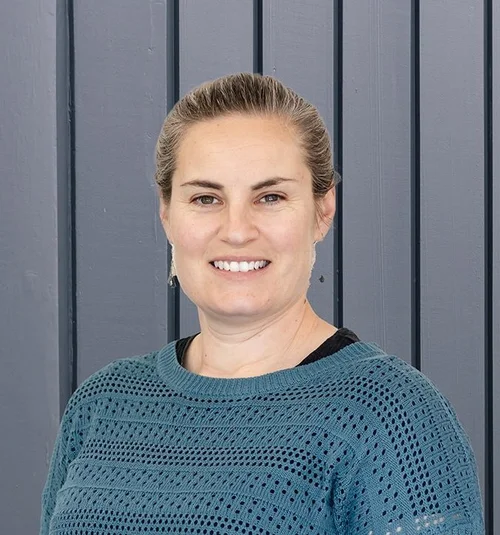
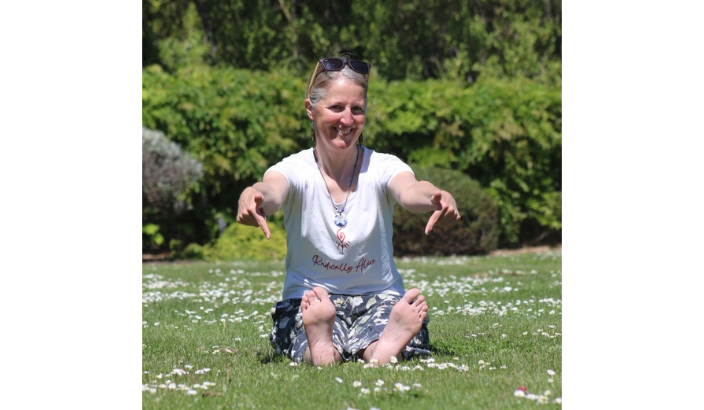
Each barefoot kilometre gives Penelope Brown time to reflect on the challenges faced by women in rural Ethiopia, where long journeys to medical care can have life-changing consequences. Photo: Supplied
Motueka's Penelope Brown is turning every barefoot step into support for women living with one of the world's most devastating and preventable childbirth injuries.
Penelope has pledged to walk 25km barefoot this month as part of the annual Catherine Hamlin Fistula Foundation fundraiser, which helps rehabilitate women in Ethiopia who have suffered injuries following obstructed births.
In different circumstances, that story could have been hers.
Penelope recalls labouring for two days during the difficult birth of her first child, who is now 16.
"He was so close to coming out, and he would not budge," she says.
The birth ended with a medical helicopter transfer from Waiheke Island to the mainland for an emergency caesarean section.
For women in countries with fewer healthcare resources, that option often does not exist. Similar complications can see women labour for up to five days. Their babies are almost always stillborn, and the mothers can be left with severe birth injuries, including obstetric fistula, which causes waste incontinence.
Many women are subsequently stigmatised because of their condition, facing assumptions about disease, perceptions of uncleanliness and, in some cases, infertility.
The Catherine Hamlin Fistula Foundation says fistulas disproportionately affect women in sub-Saharan Africa, where access to timely, high-quality maternal healthcare remains limited, particularly in rural and remote communities.
In Ethiopia, it is estimated that tens of thousands of women are living with untreated obstetric fistula, often unaware that treatment is available and usually highly successful.
The first Hamlin hospital was established in Addis Ababa in 1974. Since then, five more hospitals have operated on more than 82,000 women, while hundreds of midwives have been trained to help prevent fistulas from occurring.
The surgery, rehabilitation and counselling cost $1600 per woman, and Penelope hopes to raise enough to fund treatment for at least one woman.
She has already raised more than $1300, given almost entirely by fellow women, and has completed about more than 20km of her challenge.
Not previously a barefoot walker, Penelope says the experience has forced her to slow down and walk more purposefully.
In turn, she says it has lifted her mood, calmed her mind and helped her feel more present.
There is plenty to reflect on. The 25km distance represents the average journey many women in rural Ethiopia must make, often barefoot, to reach medical care.
"It feels quite profound as I'm walking along and I'm imagining on the other side of the world a woman who has no idea that there are all these women who care this much."
Penelope is inviting others to join her for the final kilometre of the challenge, which she hopes to complete on the Motueka Sandspit next week. Details will be shared on her fundraising page.
To donate or follow Penelope's journey, visit: https://walk.hamlinfistula.org.nz/penelope-brown
