When it comes to STEM, Lower Moutere School is growing the whole darn garden.
The school’s STEM programme – science, technology, engineering and mathematics – is thriving, with three teams taking part in last week’s regional Aquabot challenge. A further two teams designed and built their own electric vehicles and headed to Christchurch this week to compete in the EVolocity South Island regional finals. Another group has also recently competed in RoboCup, a robotics competition for school-aged children.
The Aquabot project is an annual underwater robotics challenge organised by charitable trust Ministry of Inspiration.
Lower Moutere students created their underwater craft, named LMS Bubbles, LMS Rays and LMS Waverider, using PVC pipe, pool noodles and cable ties. Powered by corded remote controls, the craft is manoeuvred to navigate a gauntlet of speed and dexterity challenges.
After success at Sunday’s event at the Richmond aquatic centre, two of the three teams have qualified for the national competition in Blenheim in late November, where they will compete for a chance to attend the world championships in the United States.
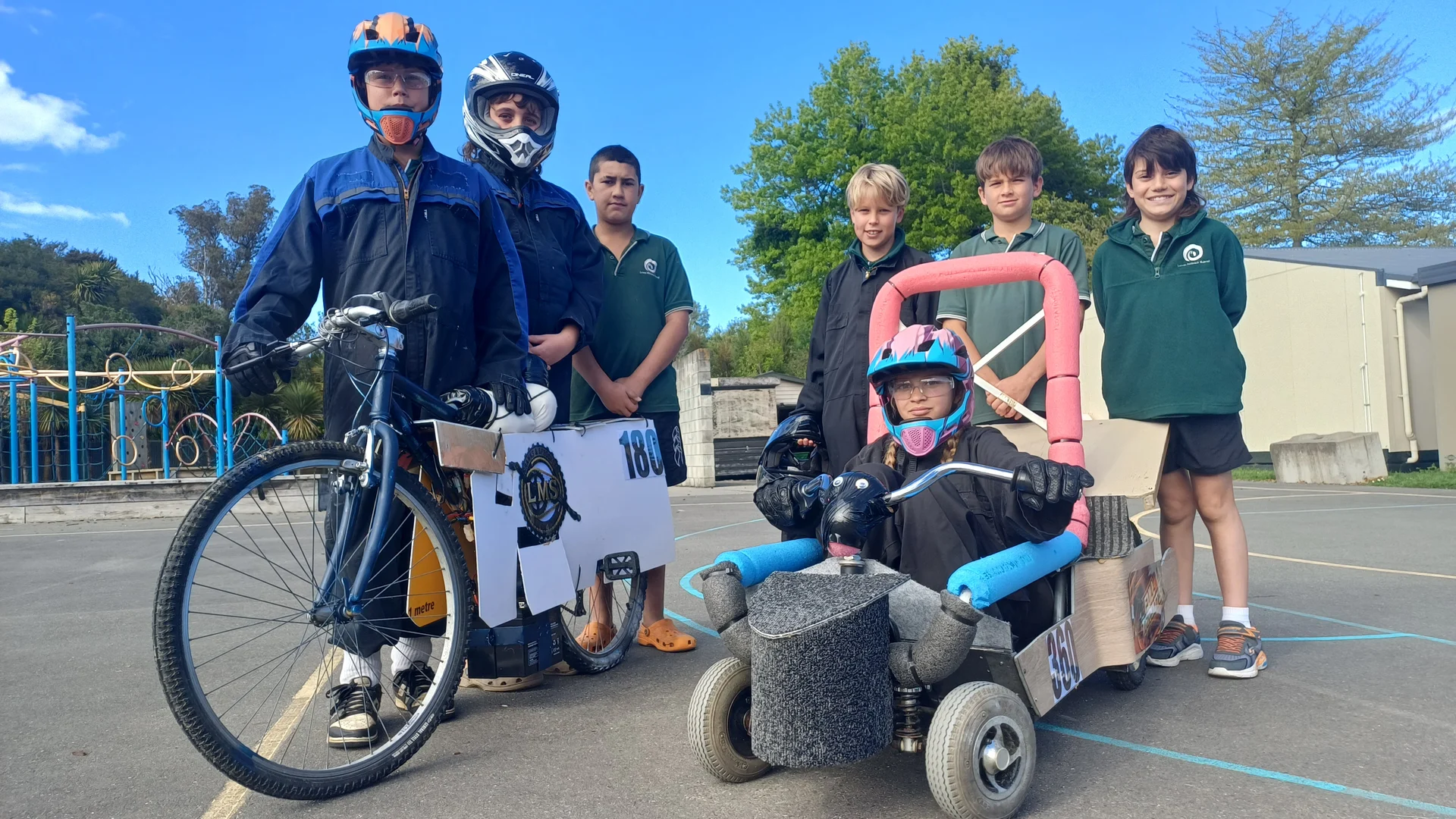
Meanwhile, at the time of publication, the school’s two EVolocity teams were in Christchurch preparing for race day with their electric bike and electric go-kart.
The vehicles compete in drag races, gymkhana, endurance and efficiency competitions, but it is also the innovation and design that earn the students’ points.
Keira, who is part of Team Full Throttle 360, says they were determined to master driving the go-kart.
“We knew it would be a one-in-a-lifetime chance,” she says.
The go-kart is made of a mishmash of four vehicles, with parts pilfered from a grass kart, mobility scooter, lawnmower and pushbike.

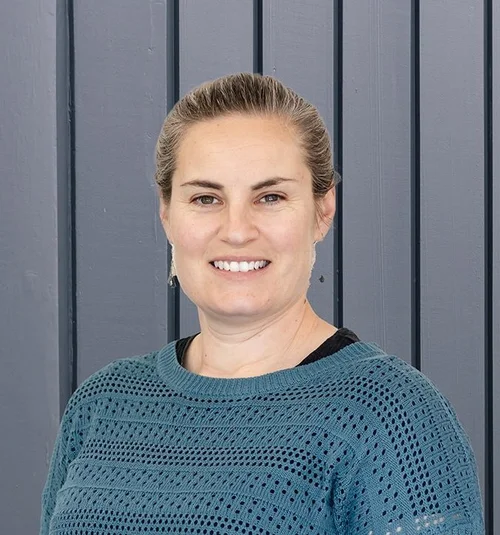
The driving force behind the school’s STEM programme is teacher Tamsin Clark, who describes it as “a climate of possibility”.
“It goes to show that when you give kids the opportunity, they can rise,” she says. “Just seeing the effect it’s had on them in the classroom is just phenomenal too.”
She says that many of the students who go through these programmes are often “leagues ahead of their peers”, not only in learning, but also in resilience and problem solving.
“We’ve got kids now in Year Seven that are looking at being engineers,” she says. “I mean, isn’t that powerful?”
Principal Bevan Clark agrees that what is offered upstream for the students has a big impact for them downstream, with the impacts lasting throughout their schooling.
“For a little rural school in the top of the South here, I think we definitely punch above our weight.”
Tamsin says she would love other schools to offer similar opportunities and is happy to liaise about the process.
The programmes are not just about hands-on learning. Students also run mathematical calculations, write up methodology and technical reports, and present their work to judges.
“We talk about an hour of reading, writing and maths,” Tamsin says. “When we integrate it like this, they’re actually doing more than that.”
