
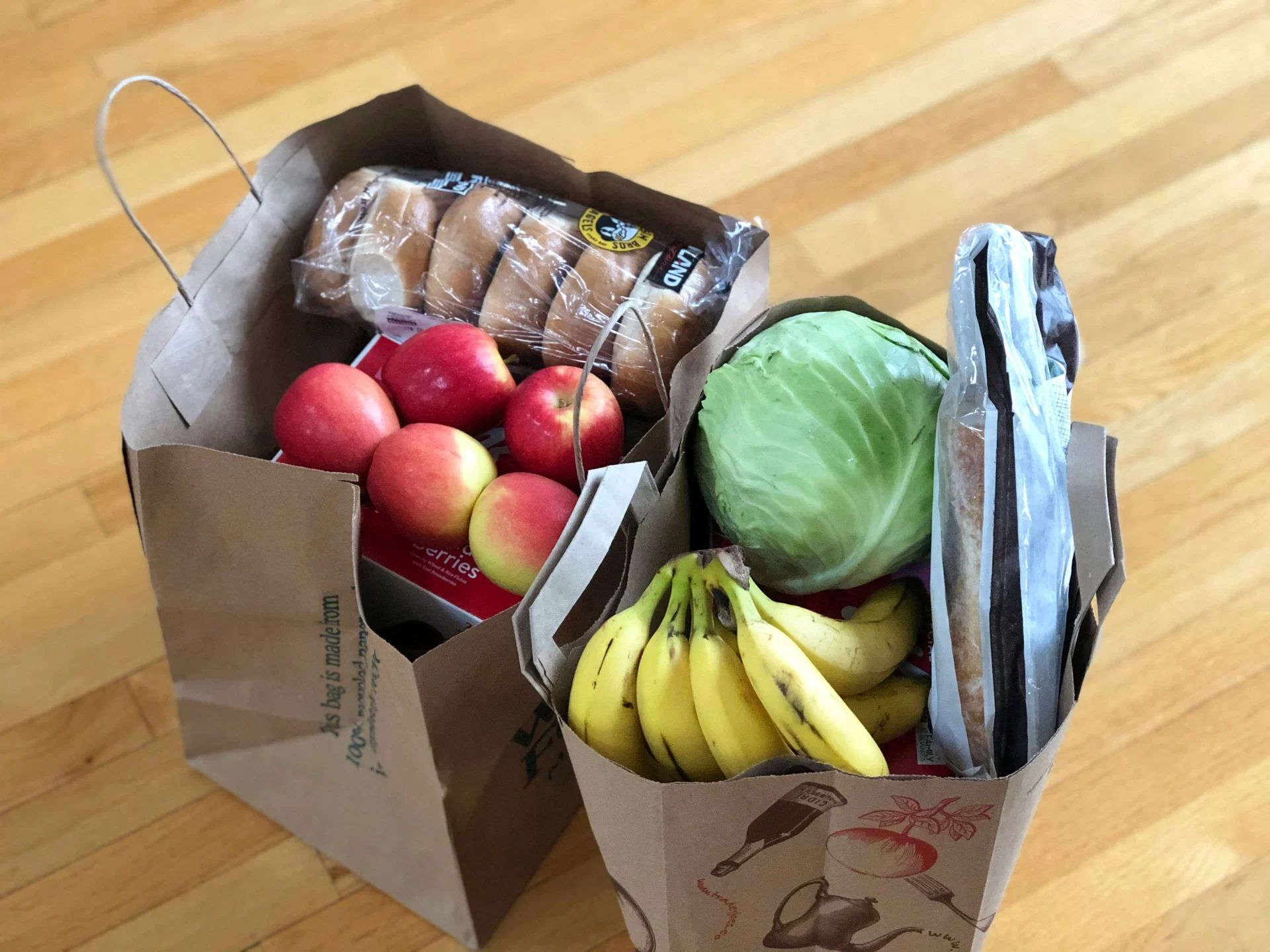
Putting enough food on the table is becoming harder for many Top of the South families, with new figures showing 30% of households experienced food insecurity in the past year.
The New Zealand Hunger Monitor 2026 found three in 10 households across Nelson, Tasman and Marlborough could not reliably afford enough food, with rising grocery bills, power costs and other everyday expenses putting pressure on household budgets.
The regional figure is based on responses from 168 people surveyed across the Top of the South and closely mirrors the national rate of 31%.
The report highlights the impact of the cost of living on local families. Among households experiencing food insecurity that identified high living costs as a reason, 86% pointed to the cost of food and groceries, while 76% cited power bills and other energy costs.
The financial strain is also affecting the quality of food people can afford. Nationally, 85% of food-secure households said they could afford balanced meals, compared with just 12% of households experiencing food insecurity.
Families with children faced an even bigger gap. While 97% of food-secure households with children said they could afford balanced meals for their children, that figure dropped to 38% among households experiencing food insecurity.
Although more people know where to turn for help, relatively few households struggling with food insecurity have received formal support.
The report found 58% of respondents knew where to seek food assistance, up from 54% in 2025. However, only 23% of food-insecure households said they had received formal food support in the past year.
Embarrassment and shame were the most common reasons for not seeking help, highlighting the barriers that can stop people from accessing support when they need it.
The Hunger Monitor is an annual study by the New Zealand Food Network tracking food insecurity, the pressures facing households, and where support is most needed.
