
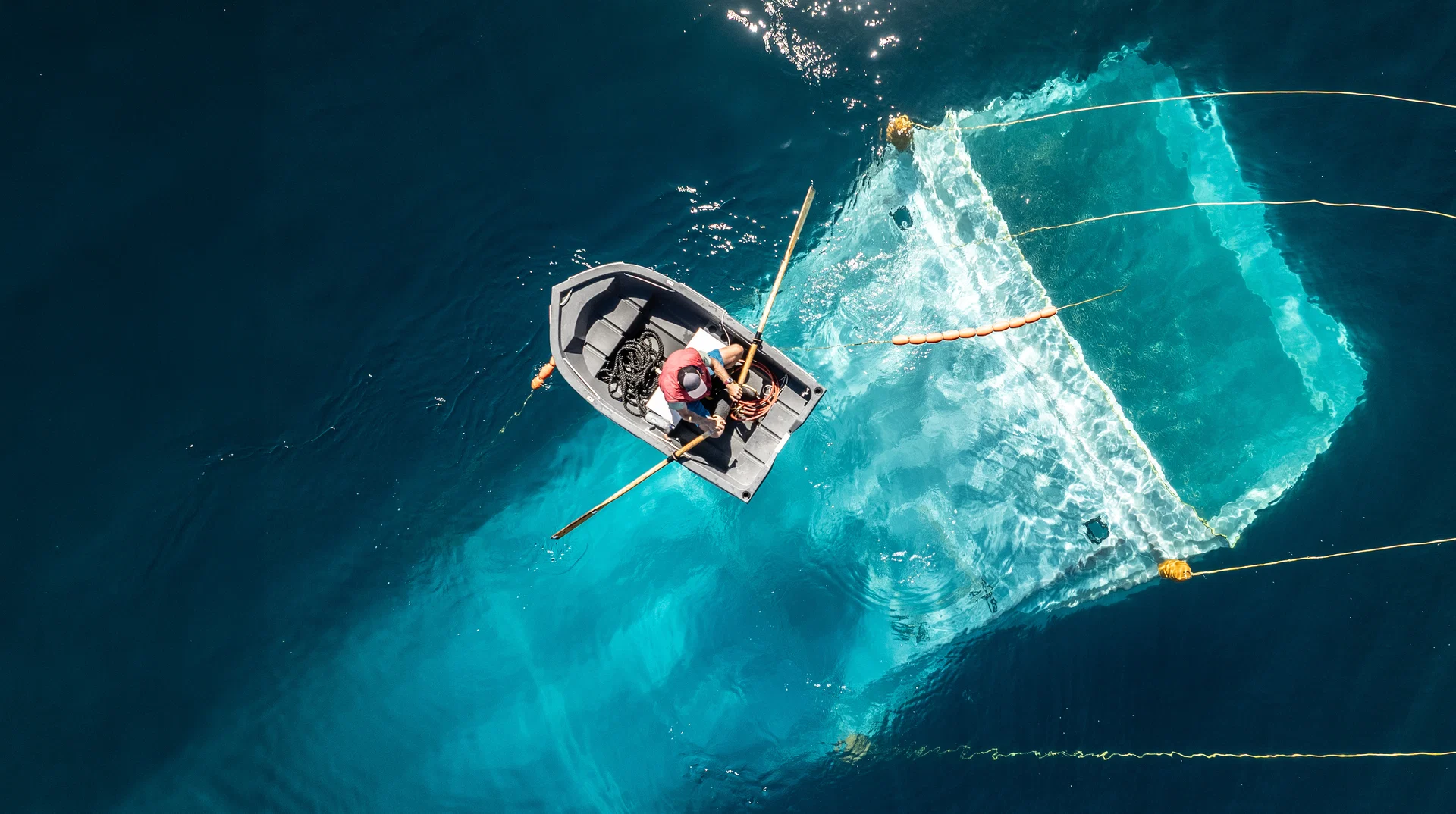
Nelson is increasingly acknowledged to be a national creative centre for the arts, and four outstanding local photographers have further developed this image with multiple wins at the New Zealand Institute of Professional Photography (NZIPP) Iris awards. Alistair Hughes meets the talent behind the lens.
Portrait photographer Sarah McGregor has won best New Zealand Professional Photographer for the second year in a row, and commercial photographer Steve Hussey collected Documentary Photographer of the Year. Empowerment photographer Victoria Vincent won a gold, and three silver awards and Nelson Marlborough Institute of Technology (NMIT) photography Tutor Jess Shirley collected silver and bronzes.

“Photography is having a renaissance in Nelson at the moment," says Steve Hussey. I don’t think we’ve ever had two photographers with two national titles at the same time.”
He is thrilled with his own win, but emphasises the collaborative and mutually supportive nature of photographers in Nelson.
“We all have a great relationship. This profession can be very insular and most of us don’t cross over in the sorts of work that we do. You're off on your own shooting for days at a time, and I think it's great to have people to share that journey with.”
Having been an Iris Awards judge for the past five years, he sees the NZIPP as his family, and describes the annual competition as the pinnacle event for photography in New Zealand. “It is something like an endurance sport with 36 straight hours of judging taking place over three days, with thousands of images being assessed.”
Steve’s own career as a commercial photographer had humble beginnings, and certainly not a straightforward trajectory. Although enjoying success in other fields, he never stopped looking through a camera viewfinder, having loved photography from childhood.
“I got to a point in my life where I thought I really wanted to pursue this photography thing… if I didn’t take the plunge, it was never going to happen.”
Nineteen years later, the decision has proven to be the right one. What advice would he offer anyone considering a similar professional path?
“I have a lot of people who want to be mentored or to join me for the day. And I love inspiring and guiding people. I'd say one of the things you can do is connect with the NZIPP, because you have access to other people's experience, and I think that's really invaluable.”
And more pragmatically: switch off all the automatic features on your camera. “Then you understand how light is actually captured and can be manipulated. Even your mistakes can inspire you creatively. Shooting manually will take you to a new level straight away.”
Mentoring is a major aspect of NMIT tutor Jess Shirley’s life, but her personal approach to photography is unique and eclectic.
My work is thought provoking, often confronting and sometimes shocking,” she shares. “It usually has messages within it, like a commentary on society or humanity.”

A lot of themes in her work revolve around the juxtaposition between beauty and life, and death.
“It's all around us but we don't see it, sitting side by side. One of my images that got a silver distinction in the Iris awards two years ago, and won Asia Pacific gold, was sheep carcasses about to go into the offal pit. I laid them out and put roses and flowers all around them, so it's beautifully disturbing, paying homage to the fact that these creatures gave their lives to sustain us, in the ‘circle of life’.”
Jess has also touched upon subjects like sexual assault and produced another series on the lives of elderly people, as well as drone and landscape photography.

"We've got some incredible talent in Nelson, like Sarah, Victoria and Steve, and I feel really privileged to be among them. We share feedback and encourage each other.”
Jess also feels extremely fortunate to be able to pass on her passion through teaching.
She has taught an online photography course as part of the Bachelor of Arts in Design for the past seven years and has just begun opening up the course for students to come in and study one day a week on campus.
“I’ve got students aged from 17 to 81-years-old in my class, and one lady even flies down from Auckland because there's nowhere up there to do it.”
In fact, the rest of the country is bereft in terms of offering anything like Jess’s NMIT programme (soon to be extended to a full year), which even involves having her local professional colleagues visit as guest speakers and to critique student work.
And as to what she would pass on to aspiring professionals, Jess quotes American writer Susan Sontag. “She likens the camera to a loaded gun. There's nothing else that you can pull out and put in front of somebody that makes them change like a gun or a camera. They're not relaxed anymore and so you've got to have that ability to relax them.”
But most importantly, Jess urges anyone considering photography as a career to not listen to the naysayers and have self belief if it’s what they really want to do.
Empowerment photographer Victoria Vincent certainly has the ability to make her clients feel relaxed.
“I like to photograph women in a way that changes how they feel about themselves, to see their own beauty and their strength and power in a way not seen in everyday life, “ she says. “And actually, some people never see those strengths in themselves, and it takes someone else to reflect it back to them.”

Victoria’s work saw her win two gold and a silver awards this year, although she is constantly striving to become a better photographer. “Every week, every day, I'm thinking about how I can grow, push myself, and what I can learn next.”
Boudoir photography, in its contemporary empowering form, requires a lot of work from Victoria before the first image is captured. “I do need to create an enormous amount of trust, and create a space where a client feels totally relaxed and can let their inhibitions go, and their pre-conceived ideas about how they're going to look and feel.”
Victoria says that’s when ‘the magic’ happens. “I get to capture them really being themselves – when they feel totally safe and trust me, and also trust themselves.”
Victoria fell into this style of photography through the unlikely avenue of a kindergarten raffle.
Seventeen years ago, she donated a voucher for a studio session as a raffle prize, and received her own pleasant surprise when the winner got in touch.
“She told me that she didn’t know if she’d ever do this, but her boyfriend bought her beautiful lingerie, and she'd like some photos taken.” Describing the timing as “insane”, Victoria had been reading about boudoir photography that same morning and seriously considering it. “It turned out to be the most rewarding experience, I loved it, she loved it, and her boyfriend loved it!”
From that point on, Victoria photographed all her friends and anyone who came to stay.
“It just grew from there, and I realised that I could change the way that people see themselves.”
Victoria grew up in Nelson but spent a couple of decades away in Wellington before returning for family reasons. She says that now being based here professionally has affected her work in surprising ways.
“The kinds of women I photograph have changed, here it’s a lot more women in their fifties.
They have been looking after their family or children or whatever, and have reached the point where they ring up and say, ‘I want to do something for myself’.”
Victoria’s approach has grown into a movement and annual exhibition around women being seen in the way that they want to be seen, purely for themselves.

“The one thing that people always said to me from the very beginning of my career was that I made them feel so comfortable in front of the camera. It seems to come naturally to me.”
Retaining Professional Photographer of the Year title has not diminished newborn, child and family photographer Sarah McGregor’s humbleness.
“When I started,” says the twice national winner, “I was a bad photographer and I’m pretty honest about that. I had to learn to be a better photographer, including learning the tools of the trade like Photoshop.”

Her mastery of that programme has become an intrinsic part of Sarah’s work, which she describes as ‘creative storytelling through images’.
“It's how you tell the story by using the tools you have to your advantage, sometimes in a very different way to traditional photography.”
Sarah describes her work as ‘maybe a bit out of the box’ and very different to a lot of other photographers, and gives an example of a Japanese client who wanted a traditional portrait in her kimono.
“But I was so excited, I said, ‘Do you think we could try something creative and see what you think as well?’ And I turned her and the kimono completely into origami. It is all photographic but I created the shadows and the lines, so it became very highly manipulated.”

Sarah’s focus on newborn and family portraiture came from the arrival of her second child, and the disappearance of the Pixie Photo children's portrait franchise from Nelson.
With no-one else in the region specialising as a family photographer at that time, and Sarah also making the decision to work around her children, she bought her first camera and taught herself.
“I became probably the first person in Nelson to specialise in newborn and family photography. And it's always been that for the last 15 years. But I guess the awards push me to try something different.”
Producing an image which scored a never achieved before 100/100 in last year’s awards suggests this is a successful approach.
A former career in retail informs Sarah’s emphasis on client satisfaction. “I think it's important to be willing to try what people want you to do. I know some photographers who won't take on the job if it doesn't fit with what they want. But I think being able to listen to what your client wants and then deliver is really important.”
Her original background probably also flavours the very pragmatic advice she would offer to anyone wanting to consider becoming professional.
“Photography is a really exciting career. But if you're not working for someone else, you are running a business. And having the business skills is so important, or your photography career just won't go anywhere,” she cautions. “But we have a really nice community of photographers here, and they are very supportive and kind.”
Long held to be a solitary profession, Nelson’s photographers are uniquely collaborative and have ‘united to conquer’ this year, giving the creative arts world yet another reason to focus on our region.
