
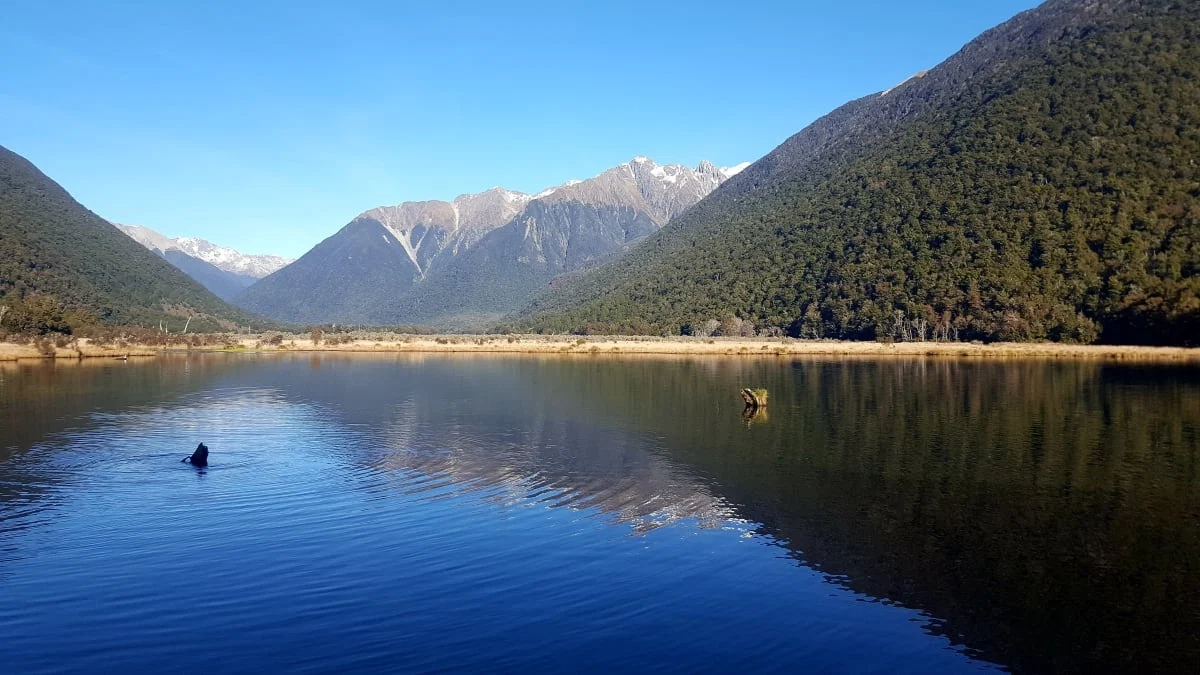
Anna Sargent of RNZ
People in St Arnaud on the shores of Lake Rotoiti are being asked whether Rotoiti should become an official alternative name for the South Island village.
The New Zealand Geographic Board received a proposal last year seeking to change the alpine village's name from St Arnaud to Rotoiti.
Consultation by the Rotoiti District Community Council found that most people did not support the change, so the board is now consulting on making Rotoiti an alternative name.
St Arnaud has a permanent population of just over 100 people. It sits at the northern end of Lake Rotoiti in the Nelson Lakes and takes its name from the nearby St Arnaud range, which in turn takes its name from French soldier and marshal Jacques Leroy de Saint Arnaud.
The village was originally named Rotoiti after the lake when it was planned and surveyed in 1881, but in the 1950s its name was confirmed as St Arnaud.
The Geographic Board said an official alternative name allowed both names to coexist.
"In considering the proposal, the board noted that St Arnaud has been the locality's official name for more than 70 years and remains widely used, as is Rotoiti. The board also noted there was insufficient evidence of widespread public support for replacing St Arnaud entirely," the board said.
"The board considered the historical significance of the original name Rotoiti and its longstanding association with the area. The board determined that consulting on an official alternative name would provide an opportunity to recognise the locality's historical name while retaining the established use of St Arnaud."
Public consultation closes on February 17.
Annette Walker was part of a small group which made the initial name change proposal to the board in 2025.
At the time Walker described Jacques Leroy de St Arnaud as a "dreadful man" and believed some residents would support a change to Rotoiti.
"It's like a festering sore that still arises every now and then from the old residents of Lake Rotoiti and they still call it Rotoiti," she said.
Jacques Leroy de Saint-Arnaud's wartime exploits in Algeria included suffocating 500 Arab tribesmen in a cave by sealing its exits.
Three iwi at the top of the South Island, Rangitāne o Wairau, Ngāti Kuia and Ngāti Apa ki te Rā Tō, supported the name change proposal in 2025.
Rangitāne o Wairau General Manager Corey Hebberd said the three iwi, all descending from the waka Kurahaupō, had a strong and proud connection to Rotoiti and the surrounding area, and it was a specific area mentioned in their Treaty settlements.
This story was first published on rnz.co.nz
