
ELOISE MARTYN
Local adults living with Type 1 diabetes are finding connection and understanding through a support group created to bring them together.
Type 1 diabetes occurs when the body produces little or no insulin, while Type 2 occurs when the body still makes insulin but cannot use it effectively. Although they are distinct conditions that require different approaches to care and management, the long-term impacts can be very similar. Support for people living with diabetes remains the same, and kindness without judgement should always lead the way.
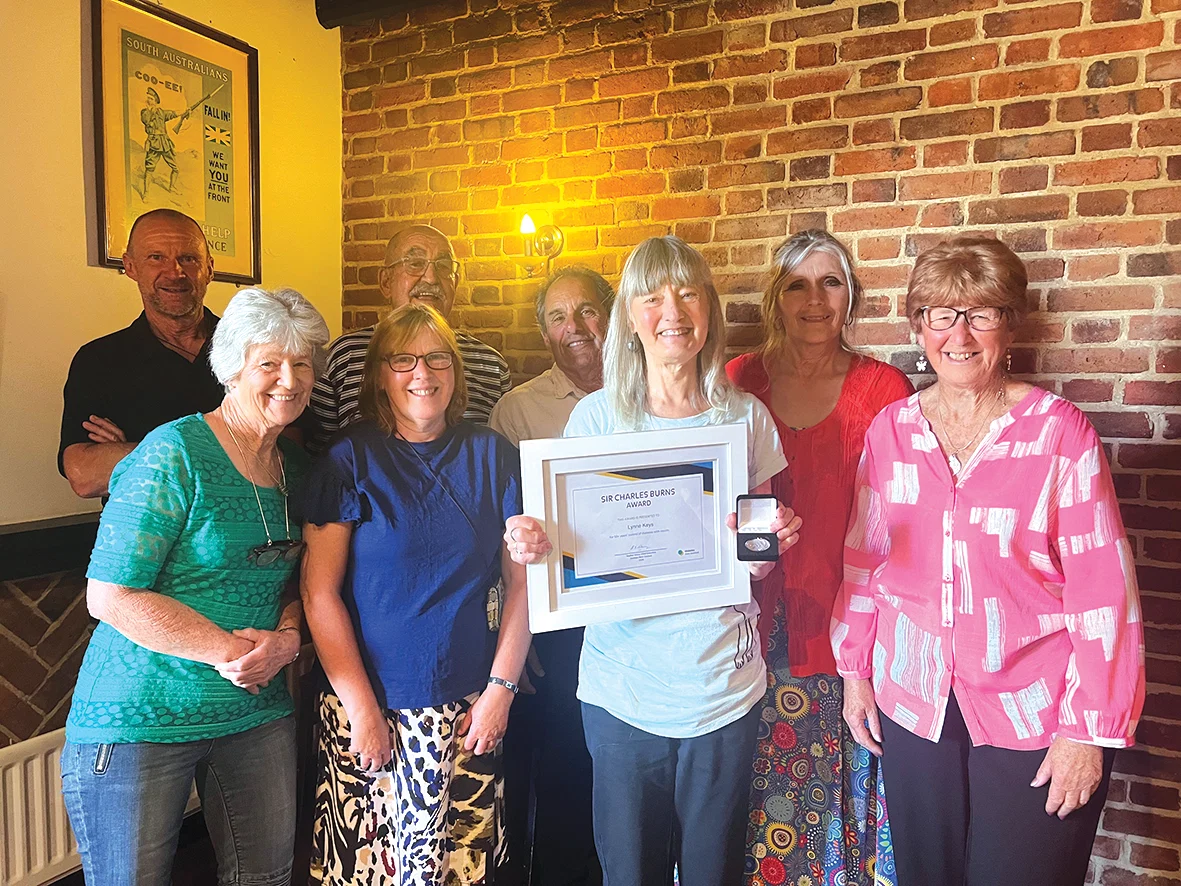
Lynne Keys was diagnosed with Type 1 diabetes just before her 21st birthday and remembers feeling exhausted. “I was so tired all the time, I thought I was going to fall asleep walking home.” Constant thirst and overwhelming fatigue led to a week in hospital, where the diagnosis was confirmed.
While living in London, she regularly attended a women‑only support group. “They were a great support,” Lynne says. “And enabled me to learn about other people's experiences, which I knew nothing about till then.
After moving to Nelson, she was surprised to find no groups for adults with Type 1 in the top of the South Island. So, three years ago, she became one of the founding members of the Diabetes New Zealand local support group.
Ngaire Sharpe, who developed Type 1 during menopause, says the group has been transformative. “Most of the time when I go to a meeting, I go home with something different I’ve picked up.”
Both Lynne and Ngaire say Type 1 is “in your head from the moment you wake up” – thinking about blood sugar, exercise, food and the risk of rapid changes. They describe how easily the condition can shift from “managed to unmanaged”.
Many people with Type 1 inject insulin four to six times a day. Overnight, blood sugar can rise too high or fall too low. “I have an alarm that wakes me when this happens,” Ngaire says.
Insulin pumps are a frequent discussion point at meetings, with members sharing experiences and tips. “The support group is great, as living with it is very different to what a specialist may recommend,” Ngaire says.
Amanda Deans, Diabetes New Zealand Youth and Type 1 Coordinator for Nelson, says many adults with Type 1 live alone. “It’s very difficult to manage, and a lot of care and time goes into it each day. Sharing tips around technology and daily management makes a huge difference.”
Diabetes New Zealand estimates about 348,500 New Zealander’s live with diabetes, with roughly 10% living with Type 1.
“It’s an informal group where everyone chats about the real‑life ups and downs, shares experiences, celebrates wins and supports each other,” Amanda says.
Ngaire encourages anyone considering joining the group to give it a try. “Give it a go, try it for a few months.” Lynne agrees. “You have nothing to lose and lots to gain.”
Those interested can email Amanda at amanda@diabetes.org.nz.
