Thomas Ridge Hacket was born in 1827 in England to Thomas and Amelia, and arrived in Nelson in 1857, aged 27, to take up the role of superintendent and manager of the Dun Mountain Copper Mining Company.
Described at the time as a man of considerable experience and ability, Thomas set to work immediately to organise operations and secure returns for shareholders.
However, historical correspondence about the company shows that not everyone was convinced by his management or qualifications. Whether this criticism was valid or simply a clash of personalities remains unclear.
Only a year into the job, a public meeting was held to address rumours that Thomas had reported there was no copper to be found in the Dun Mountain, rendering the site worthless. Other complaints accused him of not giving the company or the mine the attention they deserved. It was resolved that he would be called to a meeting to explain. Despite the concerns, Thomas stayed with the company for about six years.
In 1858 he bought land in Aniseed Valley from William Stratford and built his home there, later adding more land. The following year his sisters Harriet and Mary arrived in Nelson with their younger brother James Henry. The two brothers went on to acquire additional mineral leases and, in March 1862, after purchasing the chrome mine in Aniseed Valley, Thomas began operations on a lode thought to be extensive and of excellent quality. Work started on a spur about 300 feet above the valley floor, with ore thrown down to the road below and carted to the wharf for shipping.
Thomas remained active in mining and exploration, and in September 1866 he applied to register the Cornish Quartz Mining Company in German Gully, Arrowtown. He later left for Australia, eventually settling in Queensland where he served as a Goldfields Commissioner and Resident Magistrate, before returning to Nelson around 1879.
In 1881 he bought the Richmond Hill Mining Company property and lease at a low price and applied for two prospecting licences in the Collingwood district. He was also active in several community organisations, including the Nelson Jockey Club, Chess Club, museum and Institute.
In late July 1884 Thomas caught a cold which quickly developed into pleurisy and pneumonia. He died on 6 August 1884, eight days after falling ill.
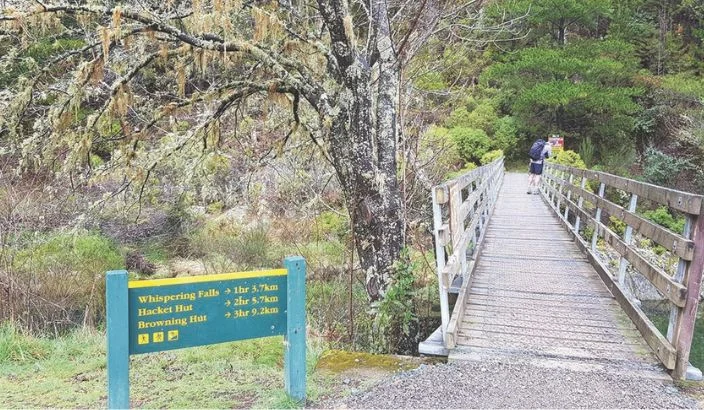
Although the man is long gone, the Hacket name endures in the Aniseed Valley through the Hacket track, Hacket Creek and Hacket Hut.
