
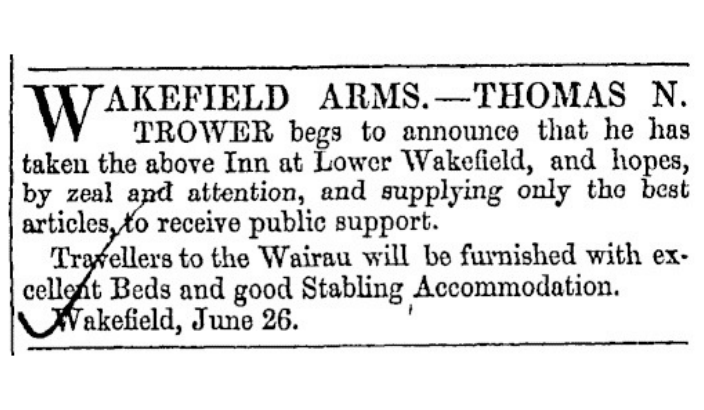
Wakefield Arms shaped early community
When William Plank applied for a bush licence to operate the Wakefield Arms at Waimea South in April

When William Plank applied for a bush licence to operate the Wakefield Arms at Waimea South in April
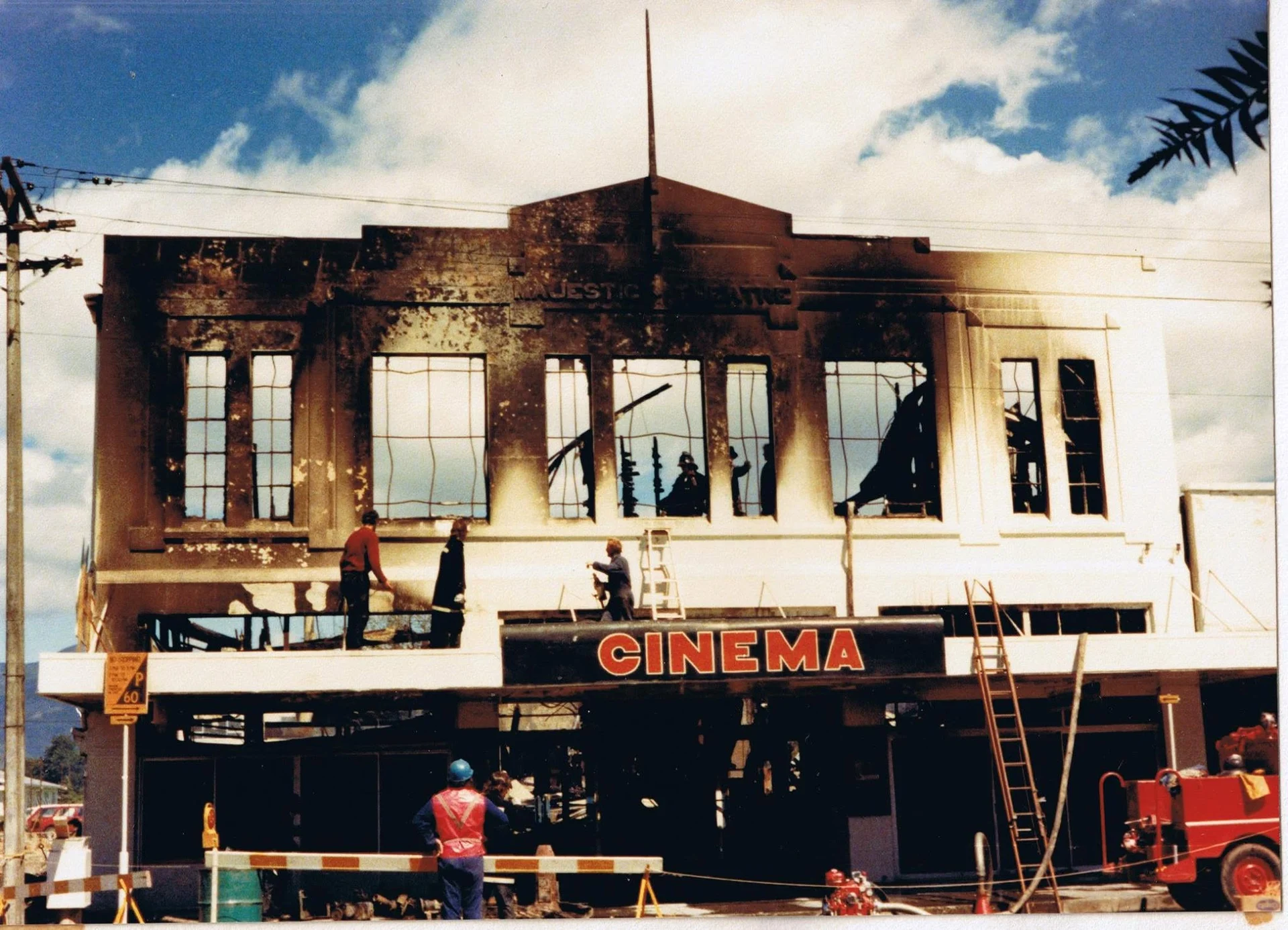
Motueka residents learned in late 1926 of plans for a new theatre in the town, driven largely by the
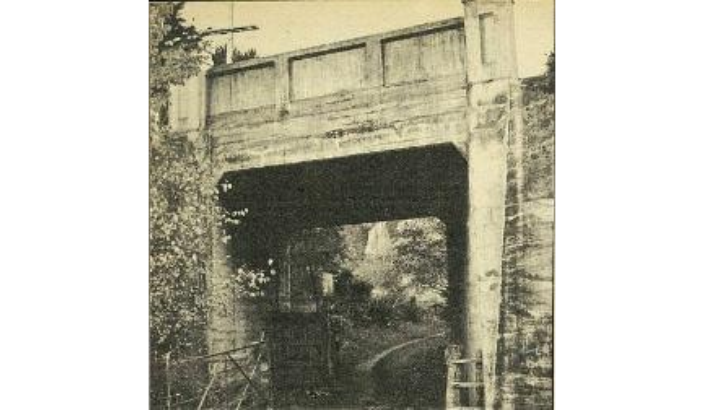
Almost as soon as the Annesbrook railway crossing was constructed, it became a source of concern, ea
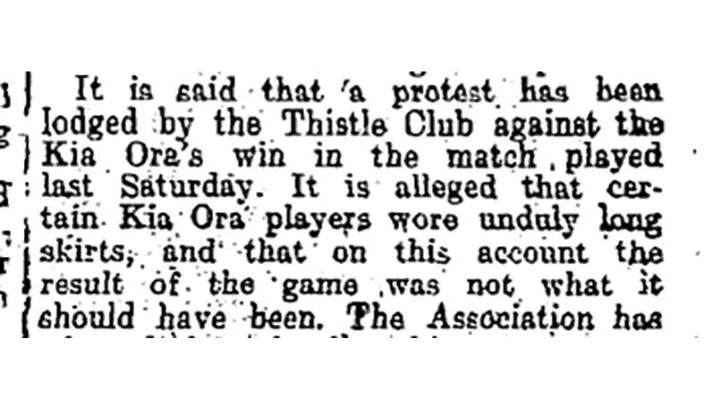
In mid-1906, the new Kia Ora Ladies Hockey Club was formed at a well-attended meeting in Richmond, w
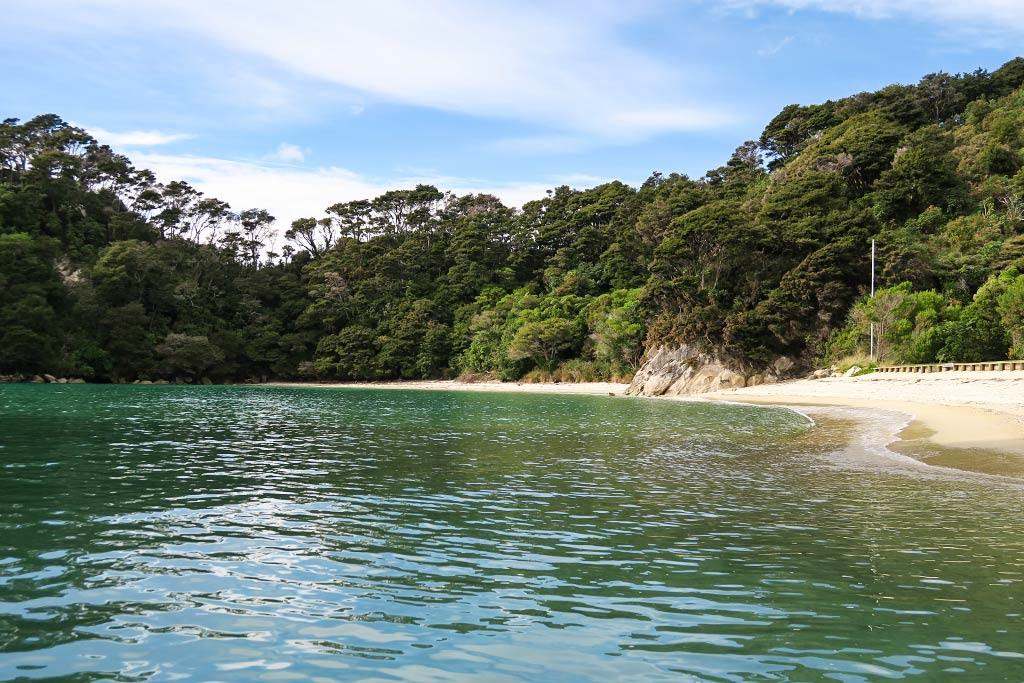
Today, Frenchman’s Bay, within the Abel Tasman National Park, is a quiet coastal inlet surrounded by
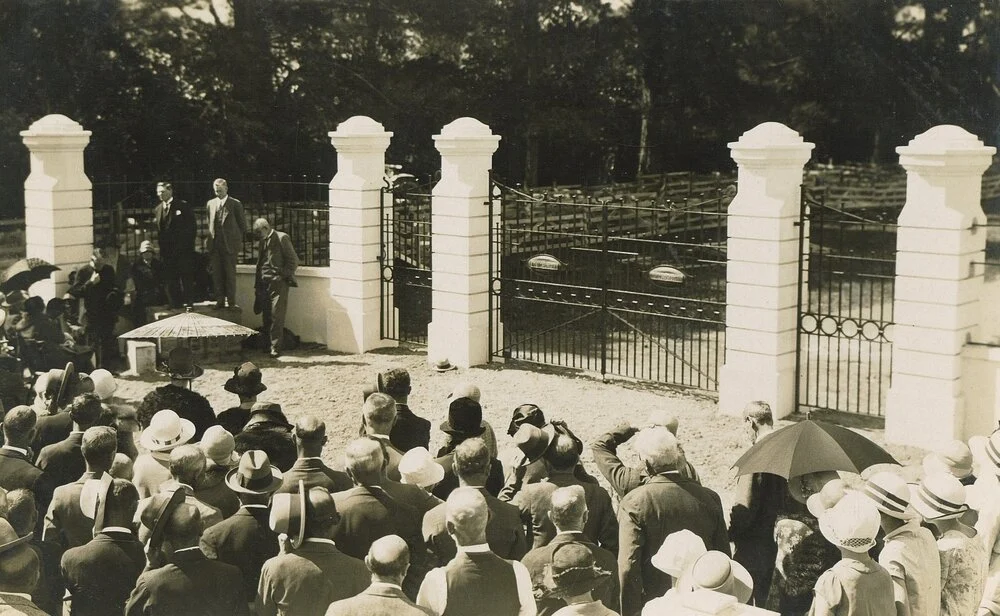
Nearly 100 years after they were unveiled, Richmond’s Washbourn Memorial Gates remain a lasting trib
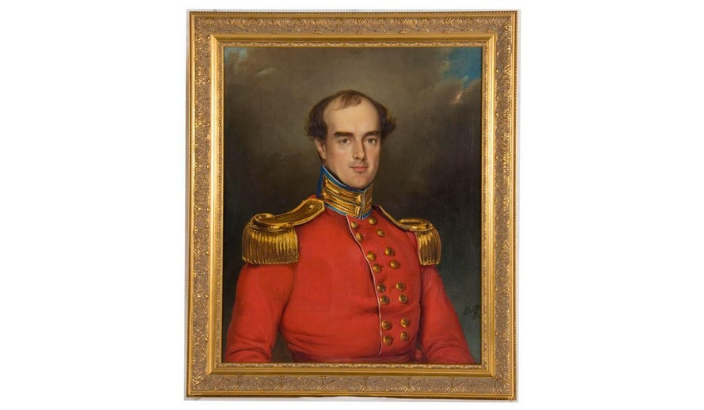
The history of Dehra Doon in Riwaka is intertwined with the stories of two early settler families an
Wakefield motorists spent more than a decade grappling with dangerous roadside parking before author
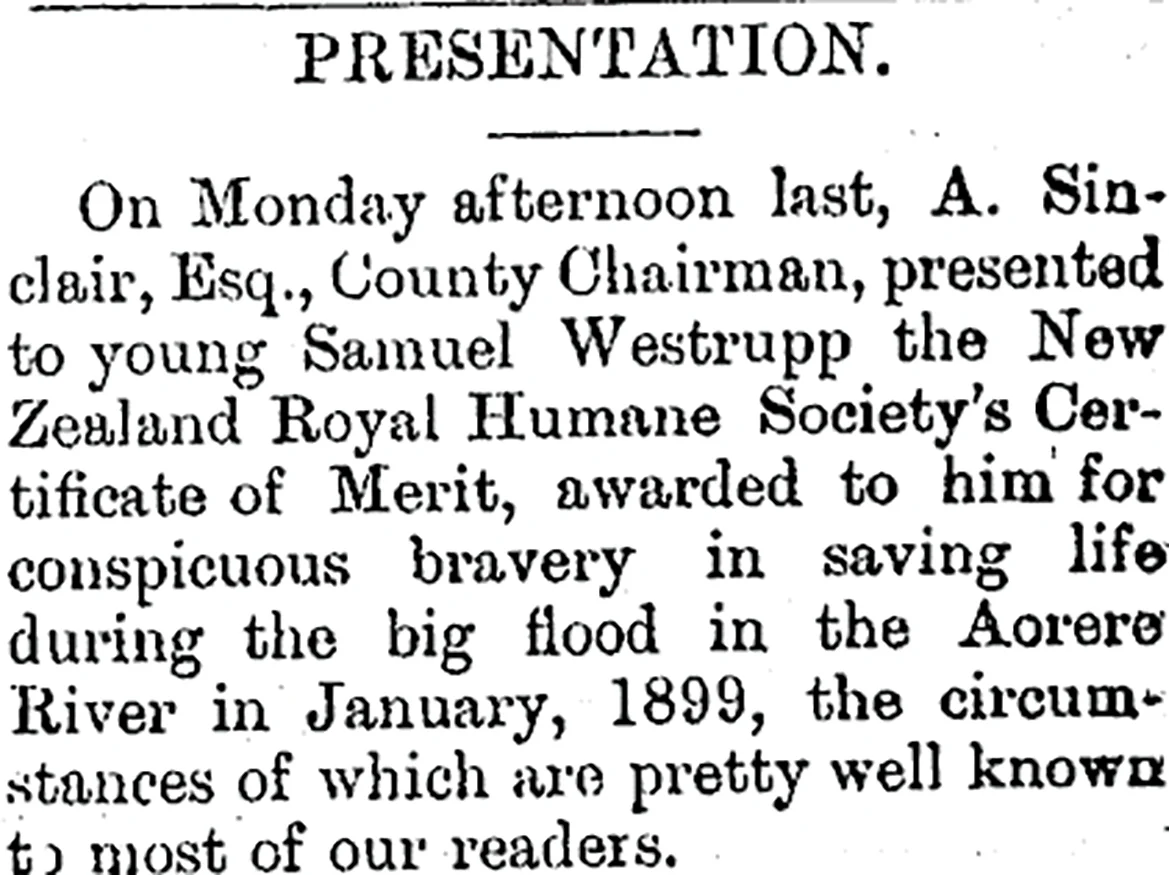
In the midst of one of the Aorere district's worst storms, a 15-year-old boy risked his own life rep
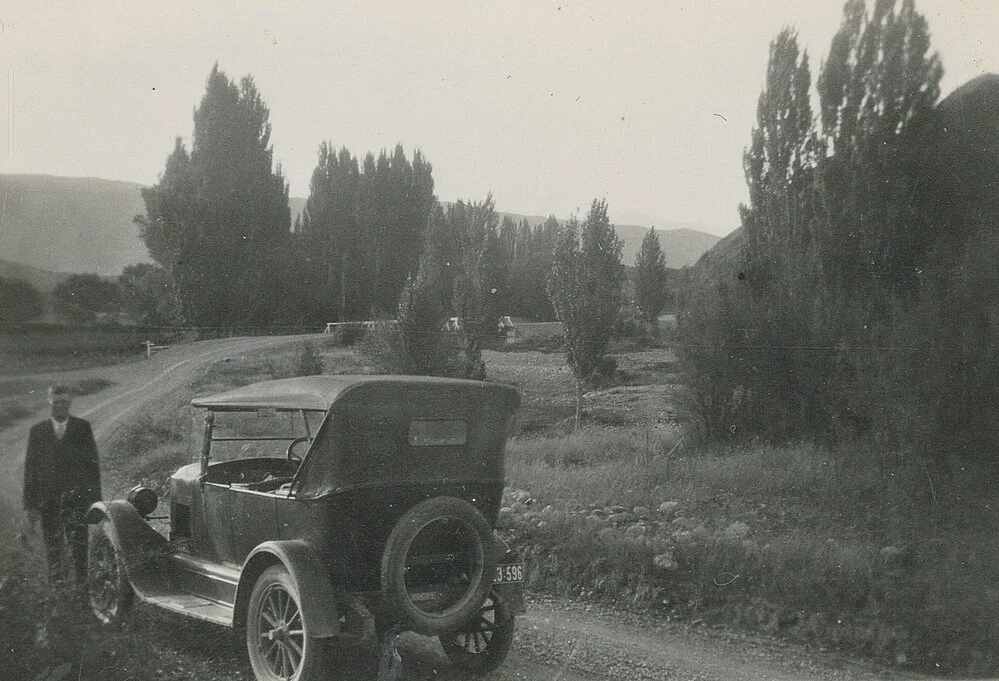
The construction of the Spooners Range road made travel easier between Nelson and Motueka, but it al
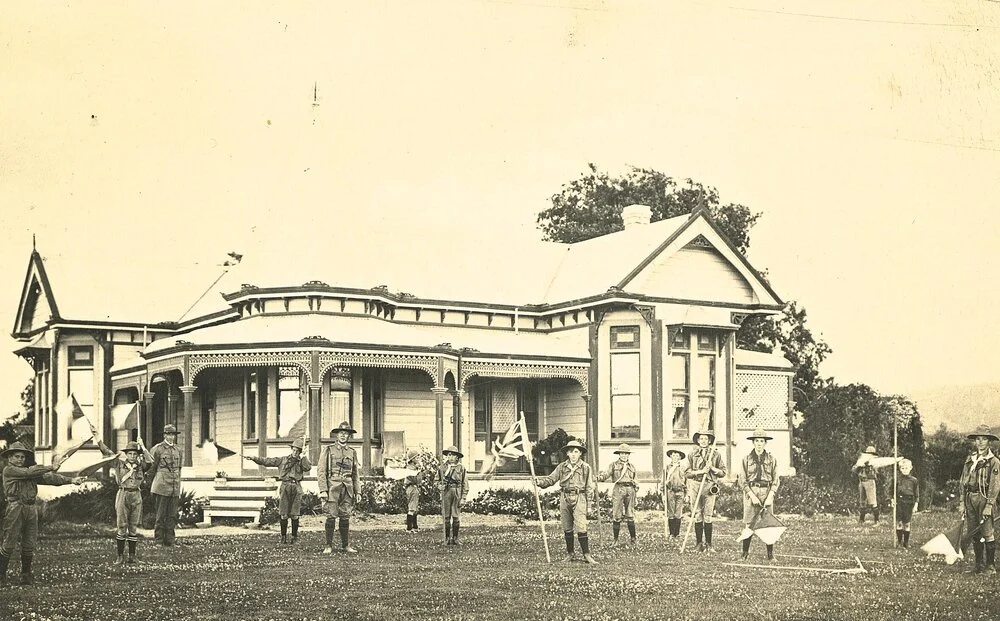
The Scout movement arrived in New Zealand in 1908 with a mission to foster peaceful citizenship, dis
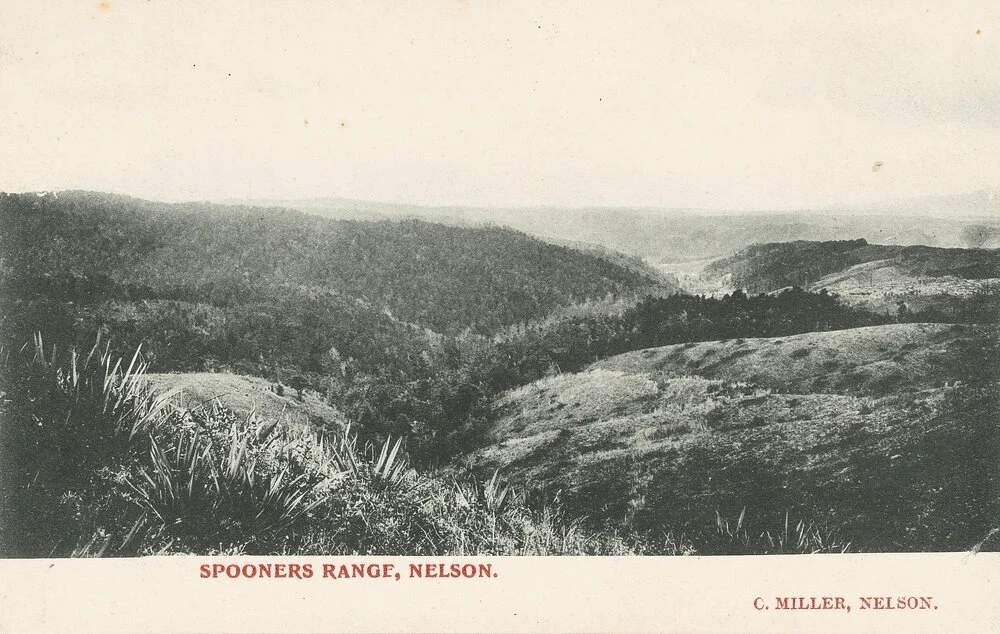
What began as a rough track through the hills evolved into a vital transport route, but Spooners Ran
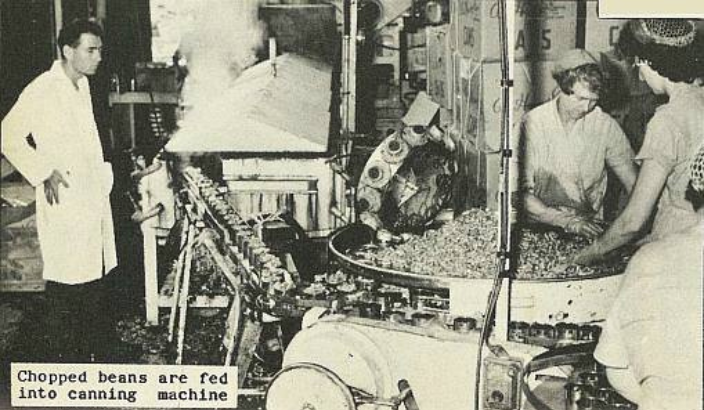
Built during World War II, Motueka’s dehydration factory processed hundreds of tonnes of apples for
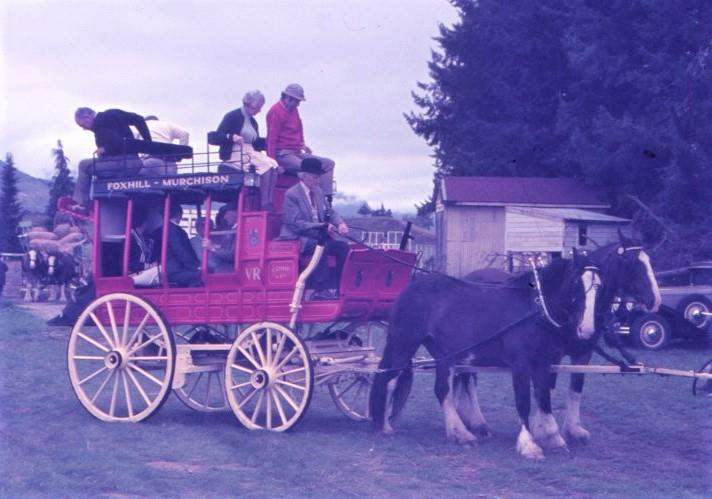
Before motor vehicles took over, the Newman brothers carried mail and passengers through rugged coun
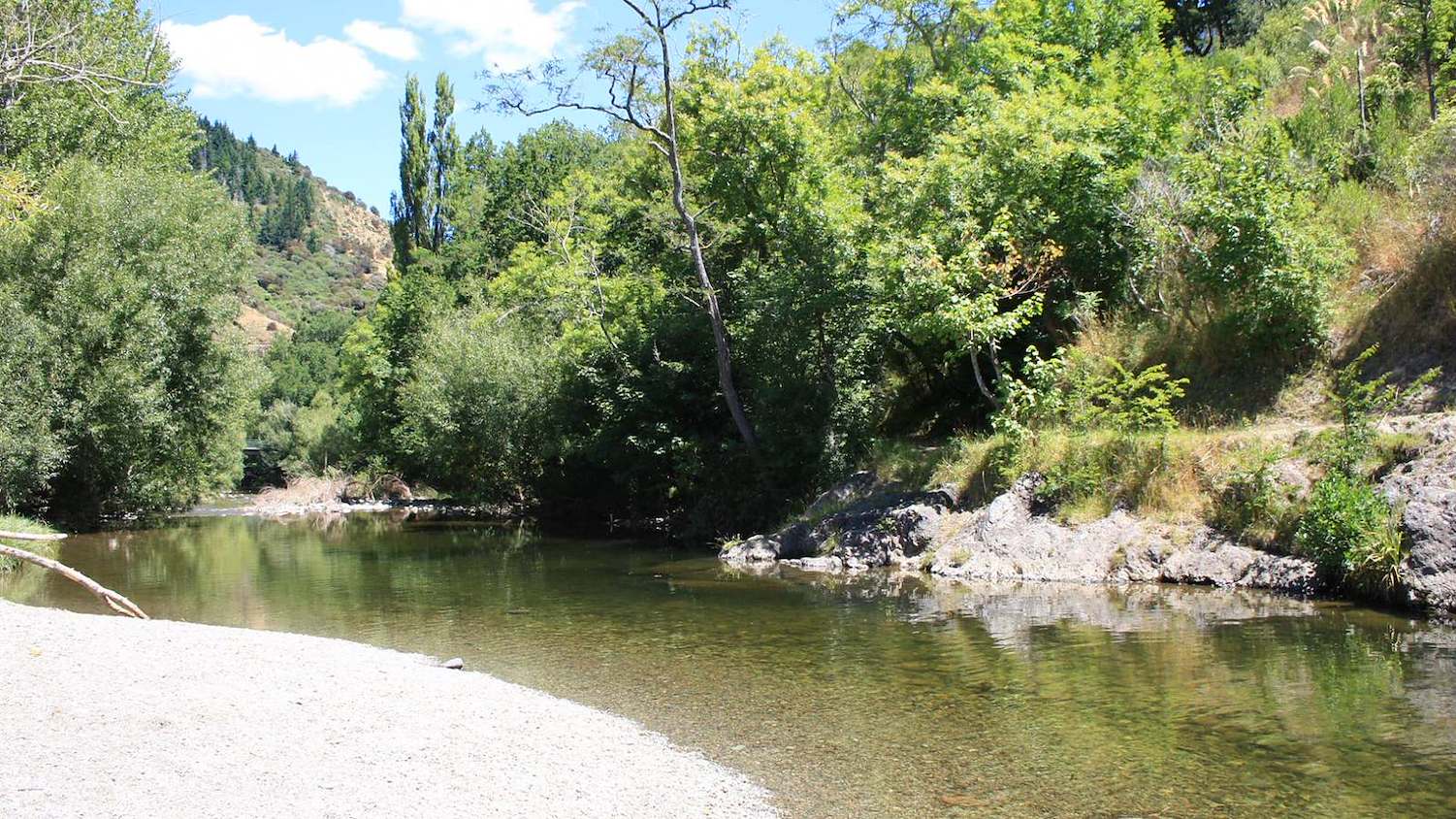
German immigrant John Denne overcame debt, imprisonment and rumour before his name became permanentl
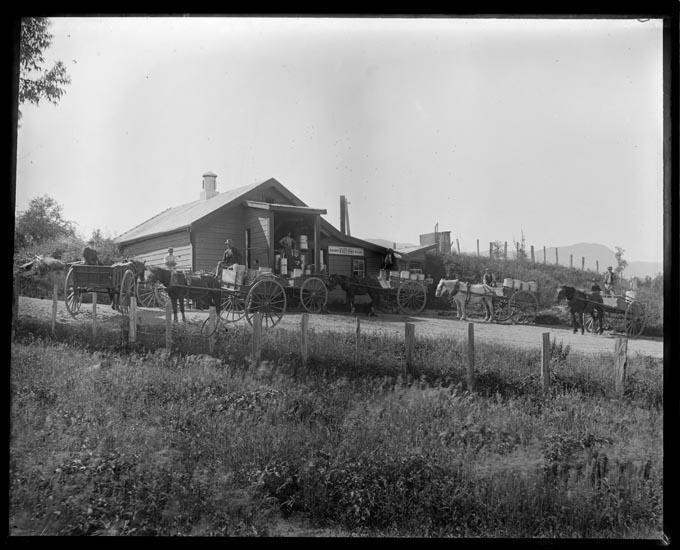
Initial attempts to form a co-operative dairy factory in Golden Bay failed, but the vision eventuall
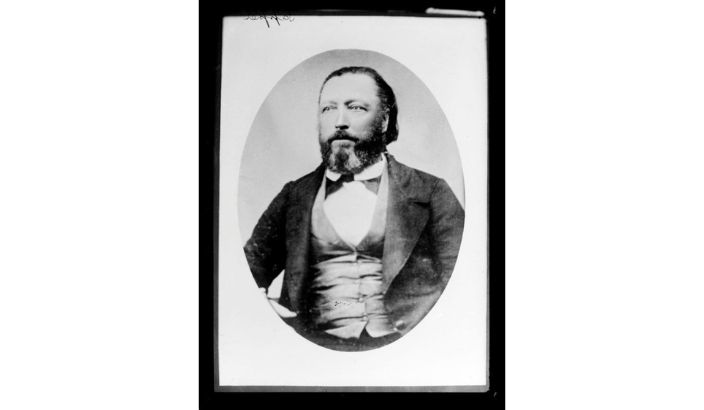
When Bernard Gapper stepped ashore in Nelson in 1842, he was part of a new settlement whose future s
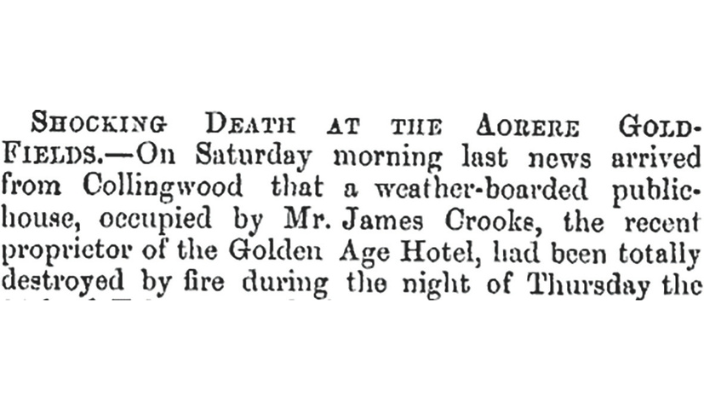
In the early days of March 1861, the small settlement of Collingwood was gripped by a tragedy that s
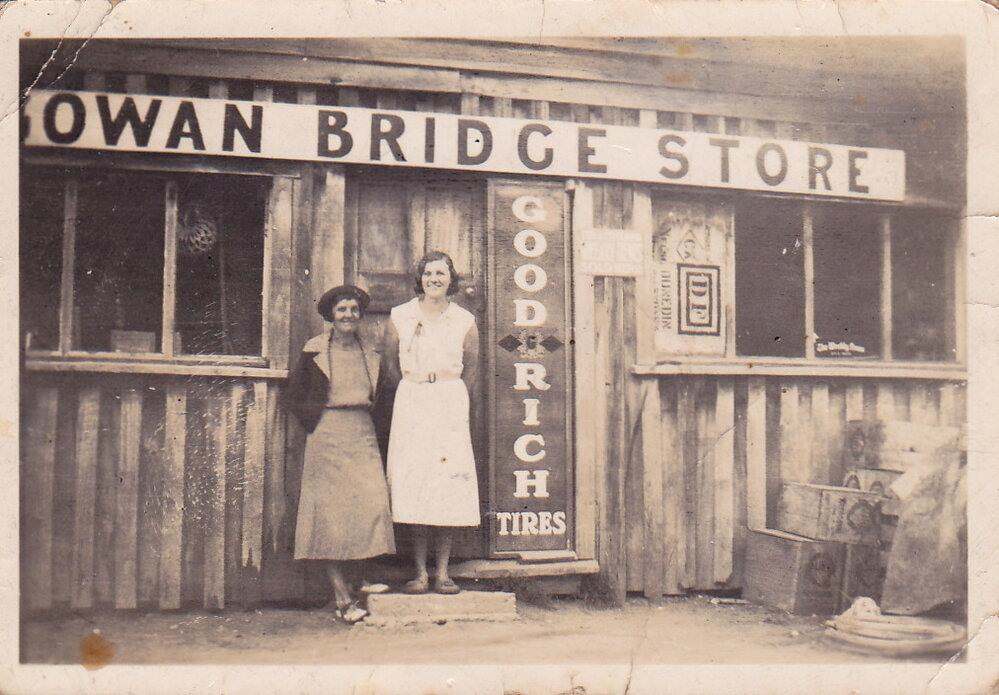
Percy Diserens, who operated a store near Gowan Bridge, began trading there in November 1928, after
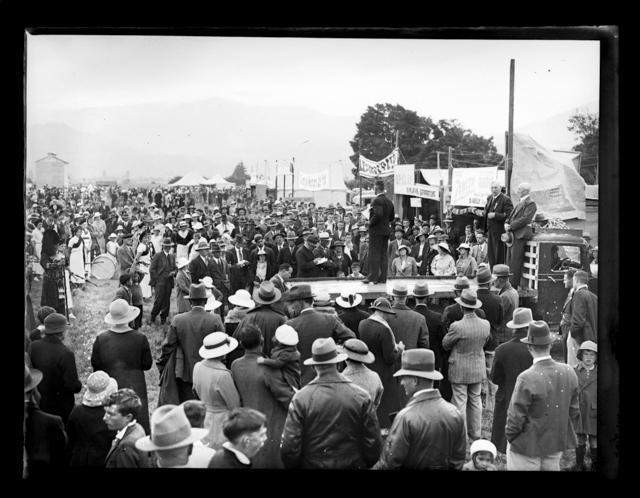
‘Marchwood’, the 100-acre homestead property of T. Howard, was advertised for sale in October 1866.