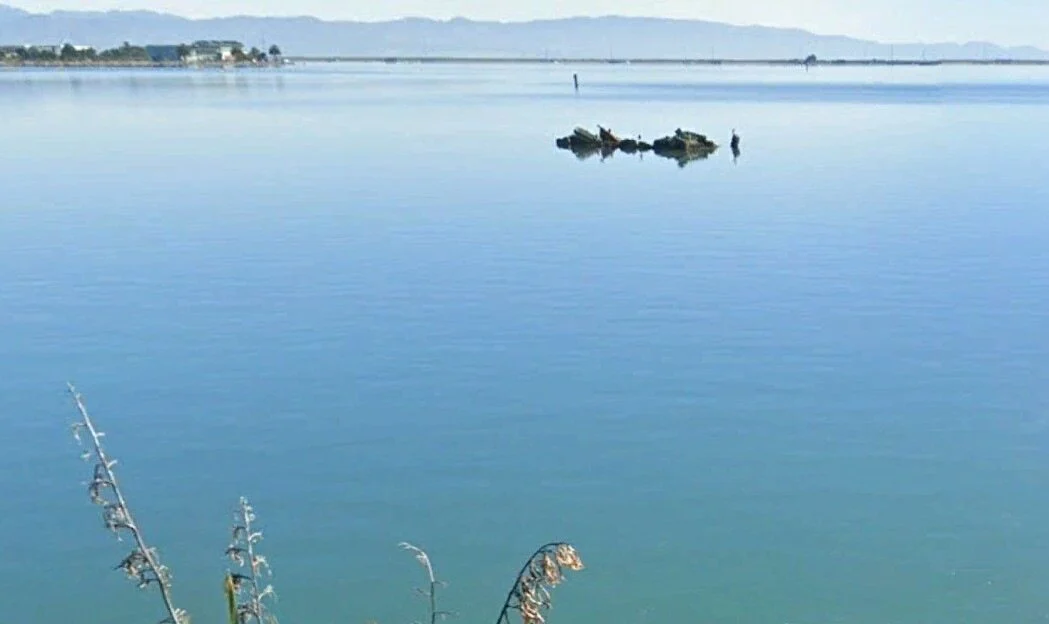
Nelson’s long-vanished mudflat rifle range was born out of necessity, shaped by military law and community effort, and eventually faded almost without trace.
The Militia Act of 1870 consolidated and amended New Zealand law relating to the militia. It made all male inhabitants aged between 17 and 55 liable for service, with some exemptions. To ensure men could shoot accurately and defend the country, regular target practice was considered essential.
Nelson’s original Maitai rifle range was eventually deemed unsafe. At times, portions of bullets rebounded from the target onto the public road. The range was also criticised for poor light, which made accurate shooting difficult.
A new range was needed and Captain Bunny was tasked with investigating possible sites. One suggestion was a range at the lower end of Collingwood Street, built out on the mudflat. Two representatives from each company were elected to form a committee to investigate the proposal.
Lieutenants Gray and Topliss, along with Sergeant Madigan, met with the city member to explain the situation and seek any assistance the Government could offer. Sketches of the proposed range were prepared and made available for interested parties to view.
Approval was granted and construction of a new concrete rifle range began in August 1890, with the aim of having it ready for the following shooting season. Tenders were invited for the removal of piles and timber from the Railway Wharf, which were to be transported to the selected site.
By October, the range was largely complete, apart from some wattle work intended to prevent bullets damaging the palisade behind the butts. The total cost of erecting the range was about £221. The Government contributed £200, leaving a £21 shortfall, which was met by the town corps and college cadets.
Plans were made for an official opening, but this was postponed due to poor weather. Despite this, about 80 men turned up on the day and proceeded with target practice. The formal opening match was eventually held in November 1890, starting at 3pm, and was an immediate success.
In October 1891, all firing at the range was halted after a nearby resident contracted typhoid. The patient’s head was said to be so affected by the sound of firing that Dr Leggatt requested shooting be stopped.
By 1897 the range had again fallen into an unsatisfactory state. The shooting committee conferred with the Naval’s shooting committee to arrange repairs.
Further organisation followed in 1904, when officers and members of corps and shooting committees using the mudflat range met to discuss forming the Nelson Garrison Range Association. The association aimed to facilitate shooting by the corps, keep targets in proper order, improve the system of marking and reduce the overall cost of shooting.
Upkeep costs, annual meetings, the collection of empty cartridges, preparation of targets and other matters that supported shooting were discussed. Shutter targets replaced the old, antiquated ones, and two markers were engaged to keep the targets in proper condition.
By 1943, the old concrete rifle range had collapsed. Its origins and purpose gradually slipped from memory, leaving a younger generation with little knowledge of a structure that once played a central role in Nelson’s military and civic life.
