The devastating Murchison earthquake of June 1929 was felt far beyond the Buller region, with Golden Bay residents experiencing violent shaking, landslides and widespread damage more than 200km from the epicentre.
Reports from Anatoki describe a slight shake in the early hours of the morning, followed by a more severe shock about 7.20am. Just after 10.15am the schoolroom began to shake, causing the building to vibrate violently as windows rattled alarmingly. Children were quickly marshalled outside.
People found it difficult to remain upright and witnesses noted that sticks lying on the ground were jumping with the movement. From the bluffs on either side of the school, tons of earth collapsed onto the beach. Huge cracks opened on the mountainsides, while fissures stretching for chains covered the surrounding area.
Once the worst of the shaking had passed, residents inspected their homes and found scenes of chaos. Inside, kerosene lamps and clocks had been thrown to the floor and smashed, pictures lay scattered and masonry on fireplaces was cracked in several places. Jam bottles and their contents were strewn across floors, while items from mantelpieces and bookshelves were hurled about. In one dairy, the floor was covered in milk and debris.
Homes north of Anatoki suffered considerable damage. Chimneys were badly affected, many crashing to the ground. Along the beach, large cracks opened up, some as wide as two feet, while crockery losses left very little intact.
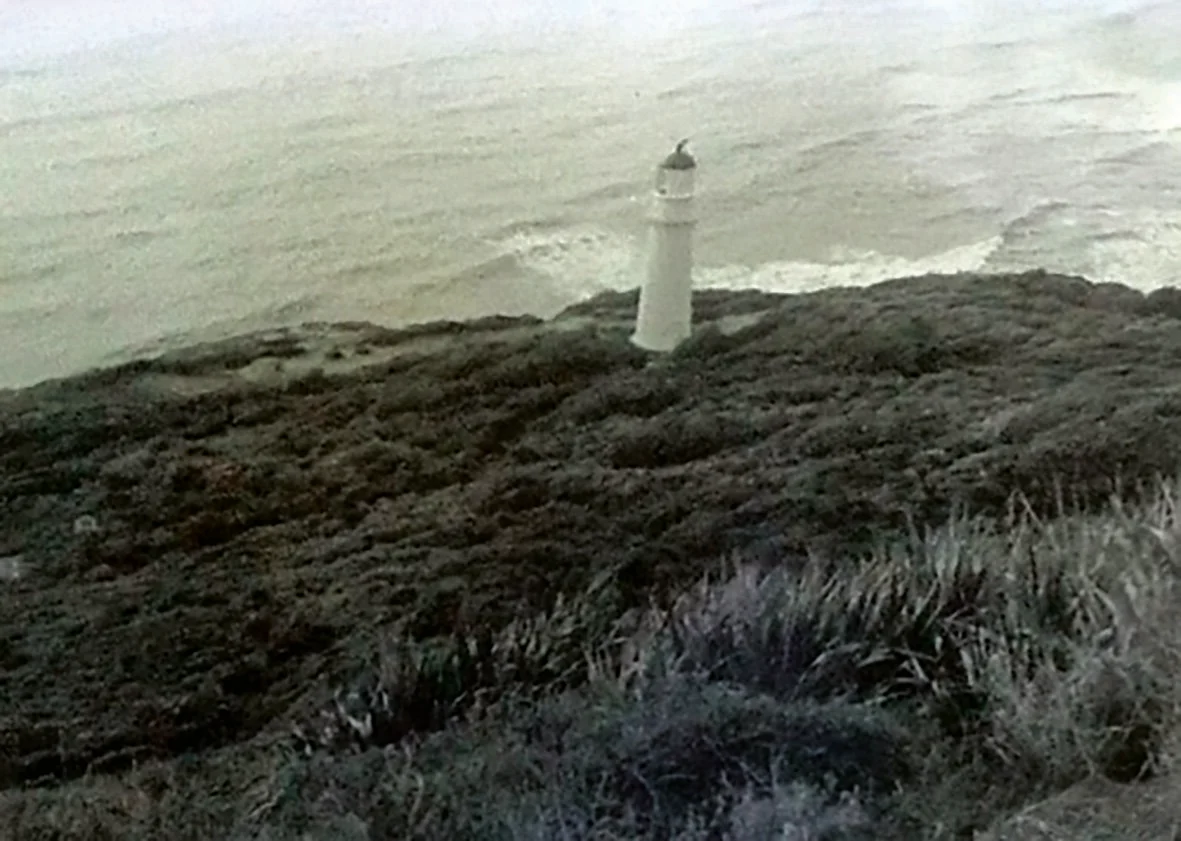
One of the lighthouse keepers’ homes was completely buried by earth. The lighthouse itself remained out of action for two months following the earthquake until a temporary light could be established. Repairs were later completed and a new automatic light was brought into operation in March 1931.
The Kahurangi lighthouse complex was among the hardest hit. The keeper’s residence disappeared entirely, carried more than three chains downhill before crashing into the lighthouse, with its chimney piercing the bottom of the tower.
Lighthouse keeper A. Page gave a vivid account of the day. Like others, he felt two earlier shocks, the second being more severe, before the main quake struck. He and his son were working in the bush when it began, and his son timed the main shaking at about eight minutes.
Trees bent down to the ground before swinging back again as if in a strong gale. When the pair emerged from the bush they witnessed fissures opening and closing across the grassy slopes. Cracks about six inches wide opened around their feet, making it difficult to stand. The entire hillside had slipped into the sea, with scrub later seen popping up from the water.
The lighthouse was still standing, but the house had vanished beneath about 12 feet of debris. Page later described his wife’s survival as little short of miraculous. Moments before the quake, she noticed a small cardboard package that should have been in a storehouse and left the house to investigate. When the shaking began, she clung to a nearby fence. The shed she had been heading to had disappeared.
Although upright, the lighthouse itself was badly damaged. Tower windows splintered and fell, while lenses and prisms were destroyed. The tower was partly propped up by the landslide, but its bottom floor was buried.
That night was spent in a landing shed, with roasted onions the only food available. At midnight the family walked along the coast until reaching the home of J. Rhodes at Sandhill.
Later inspections revealed a fissure near the landing stage at Kahurangi Point about four feet wide at the top and more than four feet deep. Nearby, a section of land of about 20 acres had slid into the sea.
The landscape was permanently altered, left almost beyond recognition.
